Older adults know AI is slop. They don’t care. They want company.
In China, AI-generated singers, children, and virtual lovers provide comfort to seniors. These AI figures express love, filial piety, and discuss health or history. Viewers aged 50 to 75 watch these videos on Douyin and Kuaishou, fully aware they’re AI creations.
Uncle Chang, 67, traveled from Taiwan to New York and watched AI-generated singer videos. They moved him to tears. After a few plays, he realized they were AI-made. “Now I know they are AI-generated. They have become a bit less moving,” he said. Yet, the companionship remained real.
One AI voice on the dating app Known bluntly reminded users, “Divorced at 36. Yeah, you’re not here to waste time. The way you build your days matters.” Users like Marie Lansley tried AI matchmakers but found the suggestions off. She hesitated to pay for meetings despite compatibility insights.
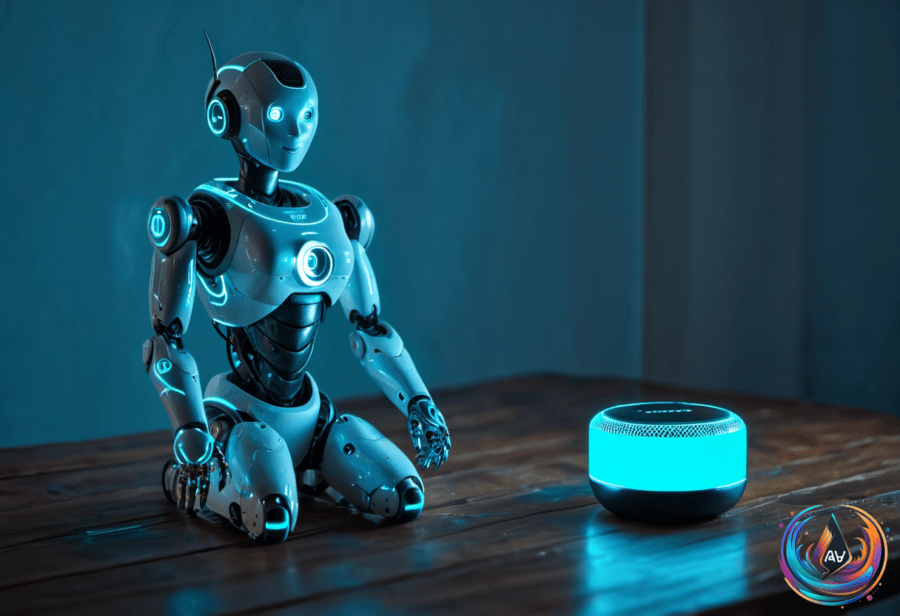
China faces a fast-aging population and caregiver shortages. Older adults turn to robot dolls and smart speakers to fill voids. These AI products offer emotional support, even if the users know the technology is imperfect.
China’s AI Token Explosion and Micro-Entrepreneurship
China’s AI token consumption exploded from 100 billion daily tokens in early 2024 to over 140 trillion by March 2026. That’s roughly 100,000 tokens per person in a population of 1.4 billion. Tokens are the basic units AI models use to process and generate information. This surge connects AI capability, cloud computing power, and commercial value.
This boom fuels a new class of “entrepreneurial workers.” These micro-entrepreneurs rely heavily on AI tools. They build flexible survival strategies against a backdrop of “involution”—a Chinese term from 2020 describing relentless effort without proportional gains.
Unlike Silicon Valley’s lone wolves, these entrepreneurs embed themselves in family networks, state policies, and capital resources. Many depend on family pensions, savings, or housing assets to mitigate risk. The government even pilots “one-person companies” to use AI for employment and economic growth.
Chinese AI development focuses on frugal innovation. Constraints from competition and limited resources push companies to optimize models with compression and architectural tweaks. Open-source ecosystems grow to support this model, distinguishing China’s AI from Western counterparts.
Meanwhile, AI family videos remain wildly popular. Viewers take pride in embracing imperfect AI. As Ph.D. candidate Tianqi Song put it, “They know it’s AI. But the joy and companionship it brings is real.”
Based on
- Older adults know AI is slop. They just like it — restofworld.org
- China AI boom is creating a new type of entrepreneur – Rest of World — restofworld.org
- China child influencers slammed for ‘distorting values’ in staged online videos | South China Morning Post — scmp.com
- ‘Token economy’ emerging as AI use soars in China, experts tell conference | South China Morning Post — scmp.com
- No more swiping? Dating apps are using AI to help singles find the perfect match | South China Morning Post — scmp.com