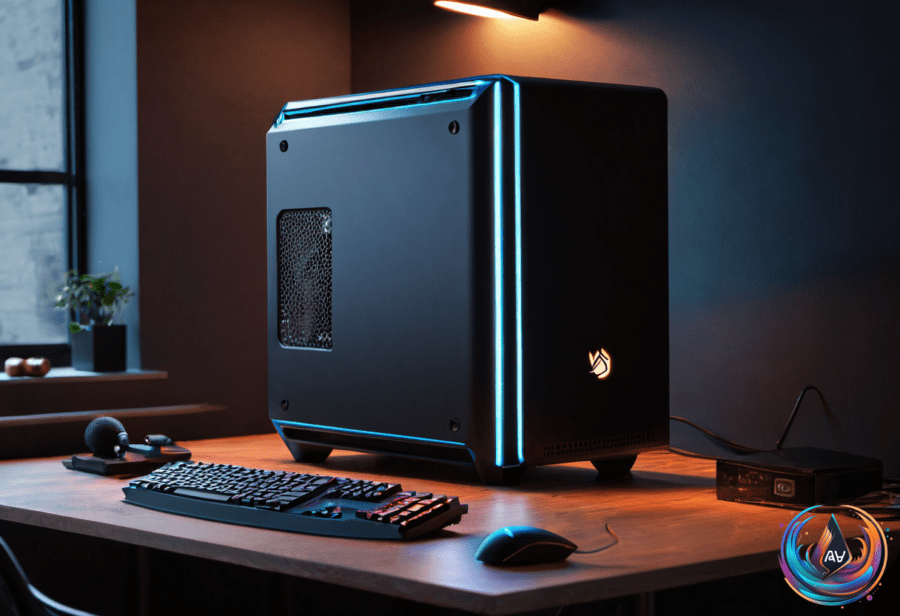
Valve shook things up again with the Steam Machine. This compact gaming box packs a punch but also reveals clear limits. It promises PC gaming in a console form but comes with trade-offs. Can it keep up with today’s gaming giants? Let’s break down what’s new and what still holds it back.
Windows Drivers Open New Doors
Big news hit on July 7, 2026. Valve released Windows drivers for the Steam Machine. That means you can swap out the default SteamOS for Windows. Suddenly, the Steam Machine becomes a versatile gaming PC. Want to run non-Steam games or apps? Now you can.
But don’t expect to dual boot. The Steam Machine still allows only one operating system at a time. You pick SteamOS or Windows, not both side-by-side. That limits flexibility but keeps things simple.
Power and Performance in a Compact Box
The Steam Machine’s hardware is a mixed bag. It uses semi-custom AMD components: a 6-core Zen 4 CPU paired with an RDNA3 GPU with 28 Compute Units. It packs 16GB of RAM and 8GB VRAM. This setup echoes an entry-level 2021 gaming PC or a ninth-generation console.
That sounds solid, but how does it perform? It handles most games at decent framerates and resolutions. Yet, heavy hitters like Black Myth: Wukong and Cyberpunk 2077 push it hard. High settings can choke the system. Ray tracing? Forget it. The Steam Machine can’t run it effectively.
Noise? The Steam Machine runs whisper-quiet. That’s a plus for gamers who hate loud fans. But there’s a catch. The hardware can’t be upgraded. Future-proofing isn’t an option. You’re stuck with what you buy today.
Pricing and Market Reality
Valve priced the Steam Machine aggressively. The base model costs $1,049. The larger 2TB version goes for $1,349. Neither price includes the Steam Controller. For that money, many gamers expect more.
Critics say the Steam Machine is underpowered compared to modern consoles like the PS5 Pro or Xbox Series X. One reviewer put it bluntly: “The Steam Machine isn’t worth the price Valve is asking.” That’s a tough verdict.
The device doesn’t fill a major gap in gaming setups. If you already own a powerful PC or console, the Steam Machine adds little value. It feels expensive for what it offers.
Software and Accessories
On the software side, the Steam Machine shines with ease of use. SteamOS is familiar to Steam users and simple to navigate. Switching to Windows adds even more software options but keeps that user-friendly vibe.
Connectivity got a boost too. A post-launch update increased Wi-Fi download speeds from 180Mbps to 1Gbps. That makes game downloads and updates snappier than before.
Accessories are on the horizon. Jsaux teased front screen add-ons for the Steam Machine. They plan three versions: E Ink, color E Ink, and dot matrix displays. These could add cool customization and utility. No release date or pricing yet, but the buzz is real.
Looking Ahead
The Steam Machine tries to blend PC and console gaming into one box. It scores on quiet operation, flexible OS options, and solid mid-tier hardware. But it falls short on price and power. It can’t keep pace with current consoles or high-end gaming PCs.
Valve’s Steam Deck continues to push boundaries on handheld gaming, while the Steam Machine feels stuck in the middle. The new Windows drivers open new possibilities, but the hardware limits hold back excitement.
Will Valve update the Steam Machine’s hardware or rethink its pricing? Time will tell. For now, it remains a niche choice for gamers who want a quiet, versatile PC-console hybrid but aren’t chasing the latest specs or deals.
Based on
- You can now easily find out if a game is compatible with the Steam Machine — engadget.com
- You can turn the Steam Machine into a Windows PC. | The Verge — theverge.com
- Valve Steam Machine Review: This Would’ve Been Perfect Five Years Ago — engadget.com
- Jsaux confirms it’s still making front screen accessories for Valve’s Steam Machine. | The Verge — theverge.com
- Does it run id? | The Verge — theverge.com