Robots that can help around the house are getting closer to reality. But they don’t learn by themselves. They need people to teach them how to do everyday chores. That’s where recording comes in.
Workers are paid to film themselves doing tasks like folding laundry, washing dishes, or taking out the trash. These videos help robots learn how humans perform these chores. The videos are shot from the person’s point of view, showing hands and movements up close. This “egocentric data” is crucial because robots need to understand exactly how to move and interact with objects.
Robotics companies want this data because robots don’t have access to the internet of physical actions. Unlike chatbots that can learn from text online, robots must see and mimic precise motions in real life. A simple task like pouring water without spilling requires careful hand-eye coordination. These videos provide the step-by-step details robots need.
Why People Are Recording Their Chores
Several platforms now pay workers to record household tasks. Some pay just a few dollars per video, while others offer higher rates for more complex chores. In some countries, this gig work provides a valuable income stream. In the U.S., however, the pay often doesn’t cover high living costs fully. Still, for some, it’s a chance to earn extra money while cleaning their own homes.
Workers use smartphone mounts to capture steady footage as they perform each task. The apps guide them on what to record, ensuring the videos show every step clearly. Privacy is a big concern. The recordings must avoid showing faces or personal details. Companies carefully screen uploads to remove any private information before sharing the data with robot developers.
This work is a new kind of gig job. People aren’t just delivering food or packages; they’re delivering reality for machines to learn from. In fact, some say this job is the future of gig work as AI and robotics grow. It’s ironic that humans are doing chores so robots won’t have to in the future.
Where Humanoid Robots Stand Today
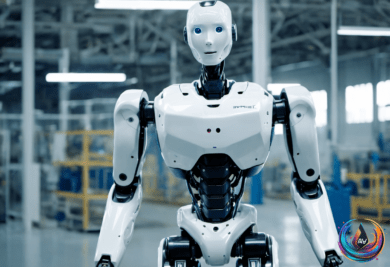
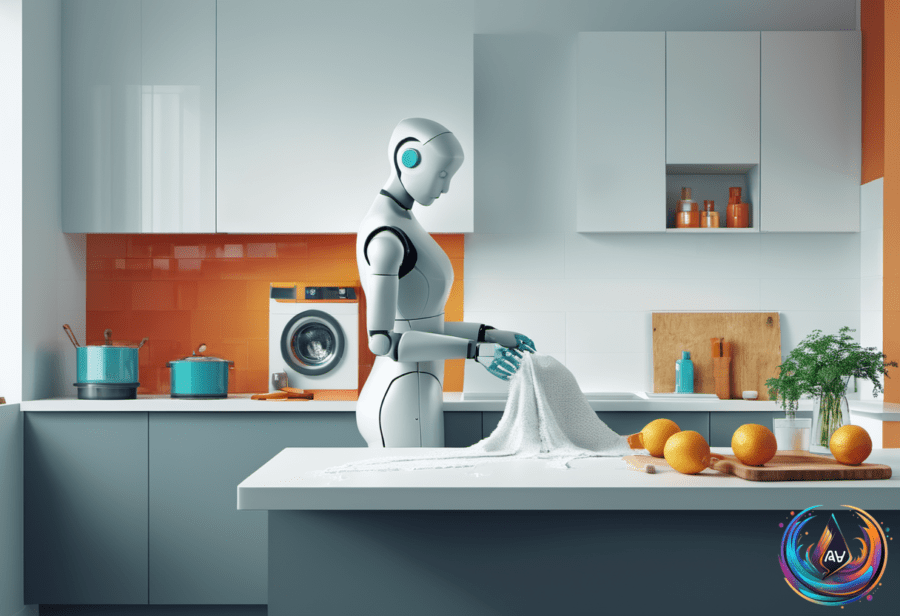
Humanoid robots are still expensive and limited. Some models cost between $15,000 and $30,000, making them out of reach for most families. Yet a few companies are starting to offer robot-powered cleaning services in cities like San Francisco. These robots can clean floors, wipe surfaces, and organize spaces without human help during the job.
These machines are far more advanced than robotic vacuums. They have arms, hands, and sensors to navigate homes and handle objects. They assess the environment, prioritize tasks, and avoid obstacles. Still, they can’t perfectly match a human’s delicate touch or judgment. For example, holding a tomato requires sensing how much pressure to apply. Robots struggle with this level of finesse.
Experts say it might take 10 years or more for humanoid robots to become common in homes. Safety is a big challenge. Robots must avoid accidents, especially around children or pets. They also need to adapt to unpredictable home layouts and clutter. Despite these hurdles, the technology is advancing steadily.
The Ethical and Social Side
Training robots with human data raises tough questions. Workers worry they are teaching machines that could replace their jobs. There are privacy concerns around cameras recording in homes. Who owns the videos? Are workers fairly paid for the value their data creates? These questions deserve serious attention.
At the same time, robots could free people from tedious chores. That might give families more time for meaningful activities. Older adults could live more independently. Busy professionals might reduce stress. The key will be balancing automation benefits with fair treatment of workers and respect for privacy.
This technology could reshape how we think about work and home life. Robots won’t just be tools; they’ll become part of daily routines. How we manage this change will define the future of work and personal freedom.
For now, recording chores to train robots may seem strange. But it’s a small step toward a world where machines take over the dirty work—while humans enjoy more free time.
Based on
- I Spent a Week Recording Myself Doing Chores for Money. Who’s the Robot Now? — wired.com
- Robots Learning Housework: The Future of AI and Automation (2026) — teamtsuga.com
- Instawork paying employees to train humanoid robots — spectrumlocalnews.com
- How $150 Humanoid Robots Are Disrupting House Cleaning Services — capwolf.com
- China Is Testing Household Humanoid Robots That Can Cook, Clean, and Do Laundry — eweek.com
- The Future of Work: AI Robots and the Workers Who Train Them (2026) — wowreseller.com