Android Auto Compatibility Explained: Phones, Cars, Wireless Limits, and YouTube

Android Auto works with almost all Android smartphones sold since 2018, but phone age is only part of the answer. The phone must run Android 9 or later and use a stock or manufacturer-released version of Android.
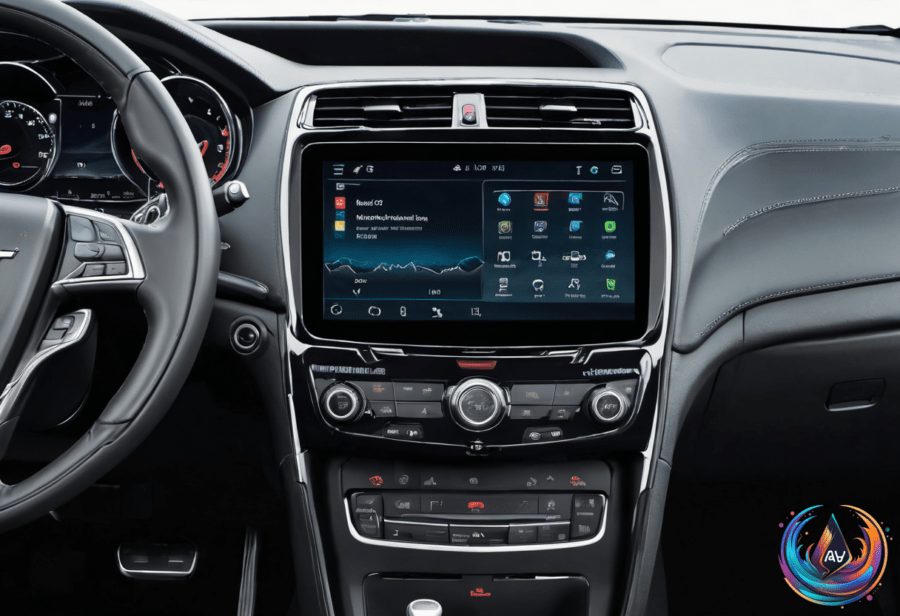
The service also depends on the car. Android Auto uses your phone’s power and displays a driving-friendly interface on a compatible car screen. It can connect through USB or wirelessly, depending on both the phone and the vehicle. More than 500 vehicles now support Android Auto.
Which Android phones support Android Auto?
For a wired connection, Android 9 or later is the key requirement. As one explanation puts it, “Most wired connections will work with version 9 or higher.” That covers almost all Android smartphones sold since 2018 when they run a stock version of Android or software released by the phone manufacturer.
Android 10 was the first Android version to include Android Auto pre-installed. Older phones are not guaranteed to work, though, and the same warning applies to phones without Google services or phones running third-party installations.
Wireless Android Auto has stricter requirements. The phone must run Android 11 or later, and it must support Wi-Fi connections using the 5 GHz band. A phone that works with Android Auto through a USB cable may not meet the requirements for a wireless connection.
Custom Android operating systems also change the answer. GrapheneOS does not include Android Auto by default. CalyxOS supports Android Auto starting with release 6.4.2, but users must enable it first.
For wired use, a cable shorter than six feet is recommended for good connectivity. That does not guarantee a successful connection, but it addresses one of the basic setup details that can affect the experience.
Android Auto and Android Automotive OS are different
Android Auto is not the operating system inside the car. It is a phone-powered service that sends a specialized interface to the vehicle’s compatible display. This is why it is often described as “essentially a mirroring app for your phone,” although the car receives a driving-focused version of the phone experience rather than a full phone screen.
That difference matters because Android Auto is not a substitute for the software already installed in the car. Android Auto apps can access some vehicle data when the manufacturer supports that connection, but the phone still powers the experience.
Android Automotive OS, known as AAOS, works in the opposite way. It operates directly on the car’s hardware and does not require a phone. Android Automotive OS is the software platform installed in the vehicle itself, while Android Auto connects an existing phone to a compatible display.
Google developed both Android Auto and Android Automotive OS, but the platforms are not identical. Android Automotive OS is open source. Google built-in uses a licensed collection of Google Automotive Services instead.
In 2020, the Polestar 2 became the first production car to feature Android Automotive OS. Polestar and Rivian are manufacturers of vehicles with AAOS, showing how the platform can become part of the vehicle’s built-in software rather than an app projected from a phone.
What happens with YouTube?
YouTube has occupied an unusual place in Android Auto. Its media controls were introduced in March, but most Android Auto users can only play the audio stream from a YouTube video while driving. They cannot use the car display as a normal video screen during a trip.
Listening to YouTube videos while driving is exclusive to YouTube Premium users. Some manufacturers, including GM, have unlocked full YouTube compatibility for their vehicles while stationary, along with streaming services such as Disney+.
An update scheduled for 2026 will add native YouTube support for Android Auto. Once available, it will allow HD YouTube videos to play on the car display while the vehicle is parked. The parked-only limit keeps video viewing separate from the driving experience.
So, can all Android phones use Android Auto? Almost all newer phones can use the wired version if they run Android 9 or later and meet the service requirements. Wireless use begins at Android 11 and also needs 5 GHz Wi-Fi support. Custom operating systems, missing Google services, older devices, and third-party installations can still prevent compatibility.
Based on