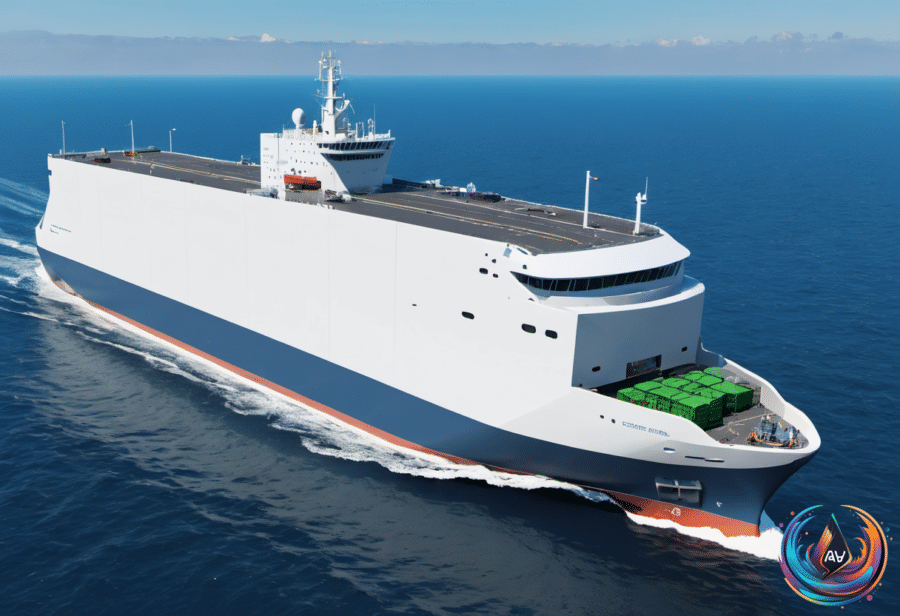
BYD is building a bigger shipping operation as Chinese electric vehicle exports run into higher transport costs and longer trade routes. The carmaker plans to expand its fleet of car-carrying cargo ships from eight to 18 by 2029, with each new carrier able to carry about 9,200 cars.
The plan gives BYD more control over how its vehicles reach overseas markets at a time when shipping capacity has become more expensive. The company announced a $687 million plan to build its own car carriers in 2022, and it put eight carriers into service between January 2024 and September 2025.
A larger fleet for a bigger overseas push
BYD sold 180,700 cars outside China in September, showing the size of the market it is trying to serve. The company aims to sell more than 2.5 million cars overseas next year, compared with a target of 1.9 to 2 million vehicles this year.
China Merchants Industry is building the new carriers. BYD founder Wang Chuanfu has backed a strategy that gives the company a direct role in moving its cars, rather than leaving every shipment to the charter market.
“Control over its distribution network is a strategy BYD has long pursued,” said George Whitcombe, a senior EV analyst at Benchmark Mineral Intelligence.
That control matters because renting ships costs much more than it did earlier this year. A car carrier with room for about 6,500 cars now costs $95,000 a day to rent, up from $50,000 in February. Chinese owners account for about 10% of global car carrier capacity, giving companies such as BYD a growing role in a market that has become central to China’s vehicle exports.
Andrea De Luca, a maritime analyst at Veson Nautical, said carmakers that invested before the latest surge are benefiting from that decision. “Carmakers like BYD, which invested in the sector ahead of the surge, are reaping the rewards of that long-term strategy,” De Luca said.
He added that owning ships can help companies save money compared with chartering at current rates, give priority to important markets, make it easier to enter new ones, and reduce their dependence on changes in charter prices.
Longer routes and rising demand squeeze shipping
The pressure on car transport is not limited to rental prices. Most car carriers traveling between Asia and Europe are sailing around the Cape of Good Hope, adding about 25% to the distance and as many as 14 days to each voyage.
The cost of moving cars from China to the Middle East has also surged. The spot rate has reached $220 per cubic meter of cargo space, up from $65 in February. Those rates add another challenge for carmakers trying to move larger numbers of vehicles beyond China.
“The very strong growth in Chinese exports, fueling strong Asia-Europe fronthaul demand growth, is the biggest single factor behind the increase in charter rates,” said Stephen Gordon.
The shipping push comes as the Chinese home market has weakened. Industrywide sales of EVs and plug-in hybrids fell 12% in the first eight months of the year, after the government cut tax breaks for buyers. BYD sold 33% fewer cars at home over the same period.
Whitcombe said exports of China-made EVs are rising faster than their registrations overseas, pointing to a growing stock of unsold cars. That makes transport planning more important: BYD wants to sell more abroad, but the vehicles must still reach markets where they can be delivered and sold.
Veson Nautical and Clarksons Research track the shipping market as carmakers compete for limited carrier space. BYD’s fleet expansion gives it a way to add capacity for its own overseas target while reducing exposure to the rates charged by other shipowners.
Felipe Munoz described the public message behind the ships in blunt terms: “Display these massive carriers, it aims to project an image of power and speed to the rest of the world.”
BYD’s plan therefore serves two purposes. It supports the company’s push beyond China and places more of its distribution network under its own control. At the same time, the larger fleet reflects the strain facing the global car-carrier market, where longer voyages, higher daily rental costs, and rising Chinese exports are reshaping how vehicles move around the world.
Based on