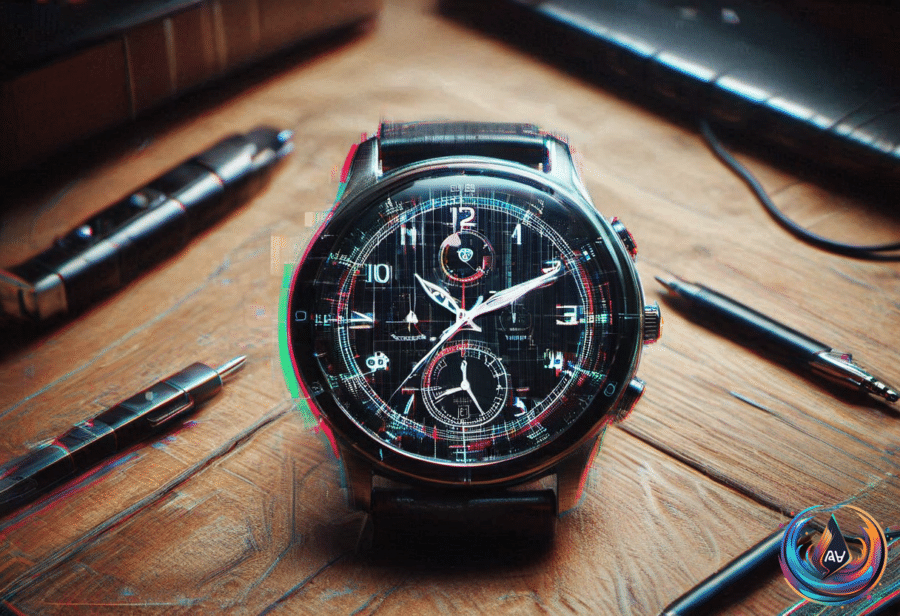
The Apple Watch Series 10 still has a strong case in 2026, especially for shoppers who do not need the newest hardware. Released in 2024, it has already received three major versions of watchOS and should have around three more years of software support ahead of it.
That does not make the Series 10 equal to the Apple Watch Series 12. The newer model brings a better SiP, twice the RAM, improved health sensing, more accurate step tracking, and Audio Intelligence. The real question is whether those upgrades matter enough to justify choosing the newer watch.
What the Apple Watch Series 10 Still Does Well
The Series 10 comes in two sizes and has an OLED display that can reach up to 2,000 nits. That gives it a bright screen for a small wearable, while its slimmer bezels create more room for information on the display than the Series 12 provides.
Its health features cover many of the functions people expect from an Apple Watch. The Series 10 supports ECG readings, sleep apnea notifications, and cycle tracking, along with Apple Intelligence and Siri AI. For someone buying an Apple Watch for health tracking, notifications, and everyday use, those features give the Series 10 a solid foundation.
The design also has a distinctive option in glossy Jet Black Aluminum. The Series 10 skips ceramic choices, unlike the Series 12, but that may not matter to buyers who prefer the lighter aluminum finish.
Apple tends to use incremental upgrades for most of its products, and the Series 10 shows why older models can remain useful after a new generation arrives. Several years of software and security updates can extend the life of older Apple devices, even though Apple Watches have shorter software support cycles than iPhones, iPads, and Macs.
Where the Series 12 Pulls Ahead
The biggest change in the Series 12 is inside the watch. Its S11 chip is based on the A20 Pro and has 4GB of RAM, doubling the amount found in the Series 10. That extra memory gives the Series 12 more headroom for future watchOS updates.
The S11 chip also brings more accurate step tracking and better heart rate monitoring. The Series 12’s redesigned Health Sensing System takes heart rate readings every five seconds, which gives its health features a more frequent stream of readings.
The newer watch also adds Audio Intelligence, along with faster charging and a more useful implementation of Siri. Those changes may matter to people who use their watch throughout the day, while shoppers focused on the core health features may find the Series 10 sufficient.
Price makes the decision more complicated. During Amazon’s Prime Big Deal Days, the Apple Watch Series 12 is $50 off. The 42mm model normally costs $399 and is available for $349.99 at Amazon and Target. The 42mm cellular model costs $449.99, while the 46mm Series 12 starts at $399.99 and its 5G version costs $499.99 during the sale.
The Apple Watch SE 3 is discounted to $199 during the same sale. That gives shoppers another lower-cost choice, although the available facts do not list the SE 3’s health features or hardware against the Series 10.
What AppleCare+ Adds to the Cost
AppleCare+ also changes how much an Apple Watch costs over time. For the Apple Watch SE 3, the Theft and Loss plan costs $2.99 a month or $29.99 a year. Annual billing costs less than monthly payments, and coverage renews until canceled.
The plan includes unlimited accidental damage incidents, battery service, and up to two theft or loss claims per year. Accidental damage service costs $69 per incident, while a theft or loss replacement has a $119 deductible. Find My must be enabled when the watch is lost or stolen and must remain enabled throughout the claims process.
Three years of AppleCare+ premiums for the SE 3 cost just under $90 at the current annual rate. Add one accidental damage claim and the total reaches $159 over three years. Add a theft or loss claim instead and the total reaches $209.
The Apple Watch comes with a one-year warranty that covers manufacturer defects, so AppleCare+ is about coverage beyond that warranty and protection from accidents, loss, or theft. AppleCare+ with Theft and Loss for the SE 3 is the lowest-cost option among Apple’s current Apple Watch models.
Apple also offers AppleCare One at $19.99 per month for up to three devices, with each extra device costing $5.99 per month. AppleCare One Family costs $49.99 for up to six family members and covers all their eligible devices.
The Bottom Line
The Series 10 still has a lot going for it in 2026. It offers a bright OLED display, two sizes, ECG readings, sleep apnea notifications, cycle tracking, Apple Intelligence, and Siri AI, with around three more years of support expected.
The Series 12 is the better choice for shoppers who want the newest chip, 4GB of RAM, heart rate readings every five seconds, improved step tracking, Audio Intelligence, and faster charging. But the Series 10 remains a sensible option when its price sits well below the newer model.
For buyers comparing sale prices, the decision is simple: choose the Series 10 for strong core features and remaining software life, or pay more for the Series 12’s hardware and health upgrades. Both choices make more sense when the price matches the features you will actually use.
Based on