The camera is gone. Meta’s Ray-Ban Meta Audio glasses focus on sound, calls, controls, and battery life instead of capturing images. That trade makes them less capable than camera-equipped Meta glasses, but it also removes one of the most uncomfortable questions surrounding wearable tech: what exactly is pointed at you?
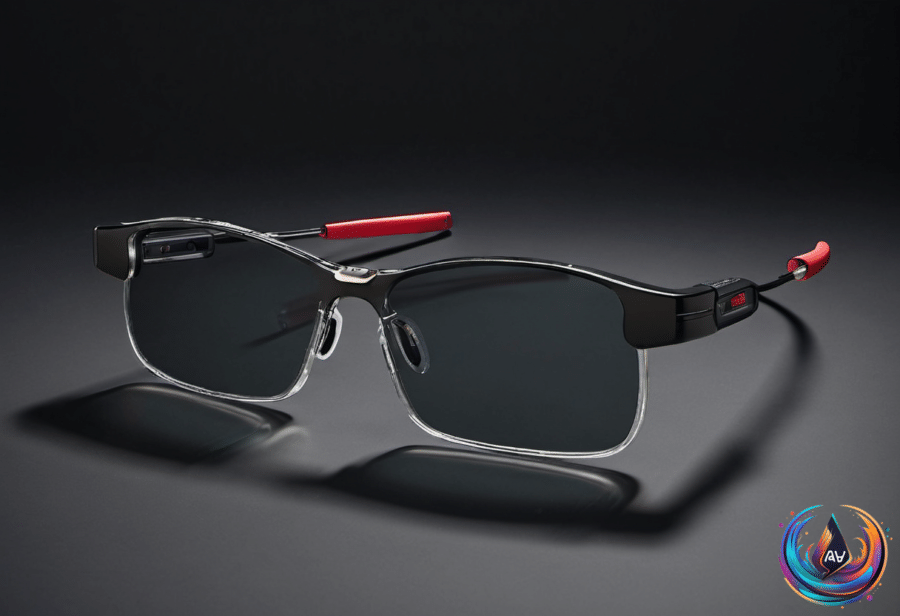
Meta sells the audio-only glasses for $349 in two frame styles, Burbank and Clubmaster. They weigh 47 grams, and the design is lighter and more comfortable than other Meta glasses, giving the hardware a more practical reason to exist than simply putting another camera on someone’s face.
“Normal-looking glasses with solid audio and way better battery life is a win for everyone,” Karissa Bell said. That summary covers the pitch neatly: these are ordinary-looking glasses with open-ear speakers, six microphones, and enough endurance to make daily use less dependent on a charging routine.
A smaller frame with a clearer privacy trade
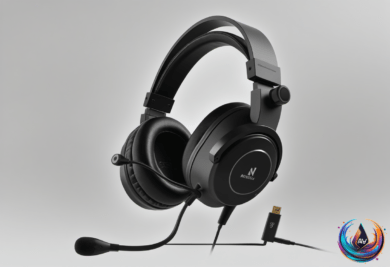
Meta had to rebuild the speaker and microphone setup to fit the smaller frame. The glasses use six microphones, with two placed on the front and four on the arms, while open-ear speakers deliver audio without sealing off the wearer from the surrounding world.
Controls sit on the right arm. A touchpad handles volume, calls, and other functions, while a tiny action button provides a shortcut for certain features. A small inward-facing LED handles notifications, and the absence of a front-facing LED follows the same stripped-back approach as the missing camera.
The privacy benefit is obvious, even if the compromise is just as clear. Victoria Song put it bluntly: “I don’t feel like a creep wearing these.” She also noted, “Removing the camera does make them less ‘useful.’” That is the deal in one sentence—less capability, fewer reasons for everyone nearby to wonder whether they are being recorded.
The glasses support prescriptions from -12 to +6 and cover a range of vision needs. They are also more adjustable than previous Meta glasses, which matters because a wearable that fits only one narrow idea of the wearer is not much of a wearable.
Battery life is the headline feature
Meta says the glasses last 12 hours on a charge with “mixed use,” while continuous audio playback reaches up to six hours. The glasses also support two full days of use without recharging, giving them a stronger endurance story than other Meta glasses despite the smaller frame.
Battery life is not glamorous, but it determines whether glasses become part of a routine or another gadget abandoned in a drawer. Audio consumes less attention than a screen, and the absence of a camera appears to leave Meta room to focus the hardware around listening, calling, and controls.
Meta plans to bring its AI agent, Muse, to the glasses. That future feature could add more value to the audio-first design, although the current product stands on a simpler foundation: sound in the ears, controls on the arm, and no camera collecting another view of the room.
As of October 13, 2026, the Ray-Ban Meta Audio glasses offer a focused alternative to Meta’s more feature-heavy eyewear. At $349, they are not trying to do everything; they are trying to make audio glasses comfortable, private enough to wear in public, and durable enough to survive two days without recharging. For once, removing a feature looks like the product plan rather than a missing one.
Based on