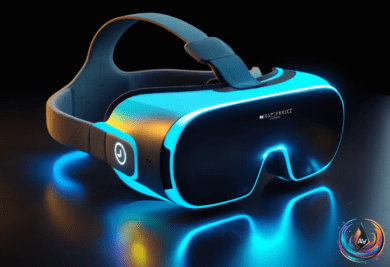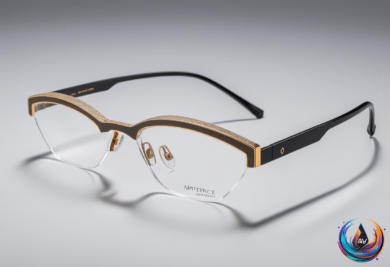
Smart glasses are finally shedding their bulky, awkward look. The secret might lie in new tech like NFC charging and smarter AI features. This means slimmer, better-looking frames that don’t sacrifice function.
Wireless charging has been a hurdle. Most smart glasses charge using pogo pins—tiny metal connectors in the nose area. These pins force designers to make thick, chunky frames. But a company recently showcased a prototype using NFC charging coils embedded in the arms of glasses. This lets the glasses charge wirelessly in their case without bulky connectors.
The coils for NFC charging are tiny—measured in tenths of millimeters. This opens up space inside the frames, letting designers slim down the glasses. The prototype can reach a 50 percent charge in 20 minutes, matching current charging speeds but with a cleaner design. This could free smart glasses from the bulky look that has held them back.
The Challenge of Making Smart Glasses Practical
Smart glasses combine a lot of tech in a small form. At the heart of this is the optical system. It projects digital images into your field of view. Most use waveguides—thin optical components that guide light through the lens. This tech has improved, but it’s still hard to balance brightness, power use, and form factor.
For example, the lenses need to be bright enough to see outdoors, especially in sunlight. That takes more power, which means bigger batteries. Bigger batteries add weight and bulk. Designers have to juggle these tradeoffs carefully.
New waveguide materials like polymers help. They’re lighter and easier to mass-produce than glass. But they need precise engineering to keep image quality high. The goal is to find the best blend of brightness, weight, and battery life that fits the use cases.
AI Is Changing How We Use Smart Glasses
Smart glasses aren’t just about displays. AI is becoming central to their function. Instead of relying on apps, AI agents will handle tasks directly. Qualcomm and other companies are betting on a future where AI assistants run on these wearables, reducing the need for phones.
These AI agents will understand context and carry out complex tasks without switching between apps. That means your glasses could manage your schedule, answer questions, or guide you through a task seamlessly. This shifts smart glasses from being just gadgets to essential, always-on helpers.
Big tech players are exploring this future. Meta, Google, and Apple are pushing smart glasses with AI and AR capabilities. Qualcomm’s CEO predicts AI-powered wearables will eventually outsell smartphones. They see these devices as the next interface, closer to the user than any screen.
But to make this happen, hardware must get better. Chips need to be powerful yet energy-efficient. Designs must be light and stylish. Manufacturing at scale is another challenge. Producing high-quality waveguides and electronics consistently is tough and costly.
Still, the progress is promising. Smart glass designs are getting slimmer with NFC charging. Optics are improving for better visuals. AI integration is making them smarter and more useful. These steps are paving the way for smart glasses to become normal everyday tech.
Fashion and function are finally coming together. Leading brands partner with eyewear makers to blend style with tech. Today’s smart glasses look like regular frames but offer AR, cameras, voice assistants, and more. They fit into daily life without screaming “tech gadget.”
People use smart glasses for hands-free help while commuting, traveling, working, and exercising. They provide real-time directions, language translation, notifications, and health tracking. For users with disabilities, they offer new ways to access information and interact with the world.
There are still challenges, like battery life and privacy concerns. Cameras raise questions about consent and security. Prices remain high, keeping smart glasses a luxury for now. But with more competition and tech advances, costs will drop and features will improve.
In the next few years, expect smarter, sleeker glasses that charge wirelessly, run powerful AI, and look great. This tech will change how we see and interact with digital info every day. It’s not just about what you see—it’s how you see it.
Based on
- Is NFC charging the secret to nicer-looking smartglasses? — engadget.com
- Google, Meta, and the Race for Your Face: Analyzing the Next Generation of AR Glasses — cs360studio.com
- The Optical Breakthroughs That Will Make AI-Enabled AR Glasses Practical – Unite.AI — unite.ai
- Qualcomm Focuses on Agentic AI Smart Glasses Over Apps — timesofai.com
- Smart Glasses: Where Fashion Meets Functionality | Tech… — techflowz.com