What if brain tech didn’t mean drilling into your skull? Imagine controlling devices or monitoring brain health with just a headband. That future is happening now. While some companies race toward implants, others bet on wearables you can simply put on.
Wearable Brain Tech Stepping Up
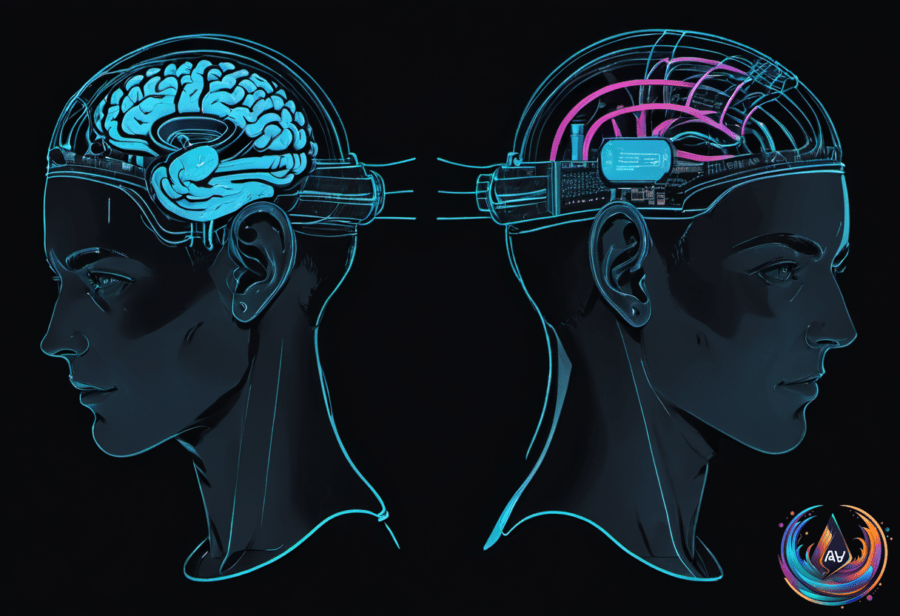
China’s BrainCo is leading the charge with a bold idea: brain tech should be a headband, not surgery. Their devices read brain signals from outside the skull using headbands and caps. No implants needed. This approach taps into a massive market. Non-invasive brain-computer interfaces (BCI) make up roughly 82% of China’s domestic BCI market. That’s a huge vote of confidence.
BrainCo has raised around 2 billion yuan, about $280 million, fueling its growth. They have even filed confidentially to list on the Hong Kong stock exchange. Their FDA-approved bionic hands decode neural and muscular signals to move fingers. That’s real-world impact beyond just brain reading.
BrainCo also sells wearables like a sleep aid. It uses electrical pulses targeting stress-related neurochemicals to help users relax. They trialed their Focus headbands in a Zhejiang primary school in 2019, though it faced backlash and was halted. Still, the vision remains clear: brain tech you wear, not implant.
Next-Level Brain Scanning With Kernel
On the other side of the spectrum, Kernel builds a brain-scanning headset that weighs 5.5 pounds and costs $117,200. This device packs 40 optical modules and combines light-based measurements with EEG data. The technology is called time-domain functional near-infrared spectroscopy (TD-fNIRS). It maps oxygen in the brain and electrical signals simultaneously.
Kernel’s tests measure brain aging and key cognitive skills like focus, planning, self-control, memory, and hand-eye coordination. Their brain age scan takes about 7 minutes, while the full cognitive test runs nearly 30 minutes. Clinics use these scans to monitor brain health and track decline. Kernel is even researching treatments for ADHD, obsessive-compulsive disorder, and depression with this tech.
Ryan Field, Kernel’s CEO, says, “We combine the oxygen maps with the electrical signals and get this kind of unique perspective that almost no one in the world has on how the brain is functioning at any given point in time.” He adds, “It’s really about trying to give individuals agency and the information to make decisions so that they can better care for their brain.”
Kernel invites volunteers to watch Netflix while wearing the headset to help advance research. Their goal is clear: empower people to control their brains, not have machines control them. “We’re not going to try and control your brain. We want you to control your brain,” Field says.
Innovations Beyond Wearables and Scanning
Other companies push even further. Neuralink implants electrodes directly into brain tissue. Paradromics has implanted a brain chip in its first patient. Science Corp plans its own brain chip placement soon. But privacy concerns loom large. Neural data is extremely intimate, prompting caution. Inbrain, another company, promises never to take implants beyond healthcare.
Meanwhile, wellness wearables like BeechBand offer a different approach. Founded by Carl and Nick Whiteley, BeechBand’s device uses a tapping mechanism inspired by Carl’s experience with young-onset Parkinson’s disease. This wearable helps restore functions like speech. BeechBand’s upgraded device now lasts eight hours per charge, up from three. It’s designed for daily use over twelve weeks and comes with a 100-day return policy. Their private online community counts nearly 18,000 members across the US, UK, Europe, Australia, New Zealand, and Canada. They’re also developing a second device set to launch in late 2026 or early 2027.
In northeast China, scientists created a painless wearable dopamine sensor. This patch uses microscopic needles to monitor dopamine levels beneath the skin in real time. Dopamine is a key neurotransmitter linked to Parkinson’s disease and depression. Monitoring it at home could revolutionize treatment and tracking of these conditions.
The Big Picture: Brain Tech’s Expanding Frontier
China has a national brain-computer interface plan, aiming for major breakthroughs by 2027. The race is on. While Neuralink drills into skulls, BrainCo and others bet on wearables and non-invasive tech. Kernel’s advanced scanning offers a powerful window into brain health. BeechBand and dopamine sensors add wellness and clinical monitoring to the mix.
Brain data raises big privacy questions. How will companies protect this uniquely intimate info? Will users control their own neural data? Experts like David Boas highlight the lack of sufficient brain data today. “A lot of consumers are willing to pay for that data just so they can follow it themselves,” Boas says. “The technology hardware is just beautiful.”
OpenAI is also moving fast but in a different direction. They merged Codex into ChatGPT’s desktop app, created a Work setting, and rolled out GPT-5.6 models. ChatGPT now has almost 1 billion users. OpenAI filed confidential paperwork to go public, but CEO Sam Altman simply said, “I don’t know” when asked if that would happen this year.
The brain tech revolution is accelerating. Wearables, scans, implants, and sensors all push boundaries. The big win? Empowering people to understand and control their brains without risky surgery. The next few years will be thrilling. Are you ready to wear the future?
Based on
- While Neuralink drills into skulls, China’s BrainCo is betting brain tech will be something you wear — thenextweb.com
- I tried on Bryan Johnson’s brain helmet — it’s a futuristic Apple Watch for your noggin | Business Insider Africa — africa.businessinsider.com
- Wellness Device Maker BeechBand Extends Reach Across Six Markets With Updated Wearable | Markets Insider — markets.businessinsider.com
- Chinese team’s wearable dopamine patch could be used to track depression, Parkinson’s | South China Morning Post — scmp.com
- OpenAI is making its biggest play for the office | Business Insider Africa — africa.businessinsider.com