Smartwatches have moved beyond step counting. They now track vital signs that hint at hidden health problems.
These devices monitor sleep, skin temperature, respiratory rate, blood oxygen, and heart rate variability. They even alert users to potential sleep apnea. This makes them useful for spotting when something’s off.
The Apple Watch leads the pack. A six-month study involving 437 high-risk stroke patients, median age 75, confirmed its alerts for atrial fibrillation (AFib) were right 84 percent of the time. AFib is a common heart rhythm disorder linked to stroke.
Notably, 57 percent of AFib cases detected via Apple Watch showed no symptoms. Half of all AFib cases are asymptomatic, so wearables catch problems many would miss. The study found Apple Watch detected nearly four times as many AFib cases as traditional methods.
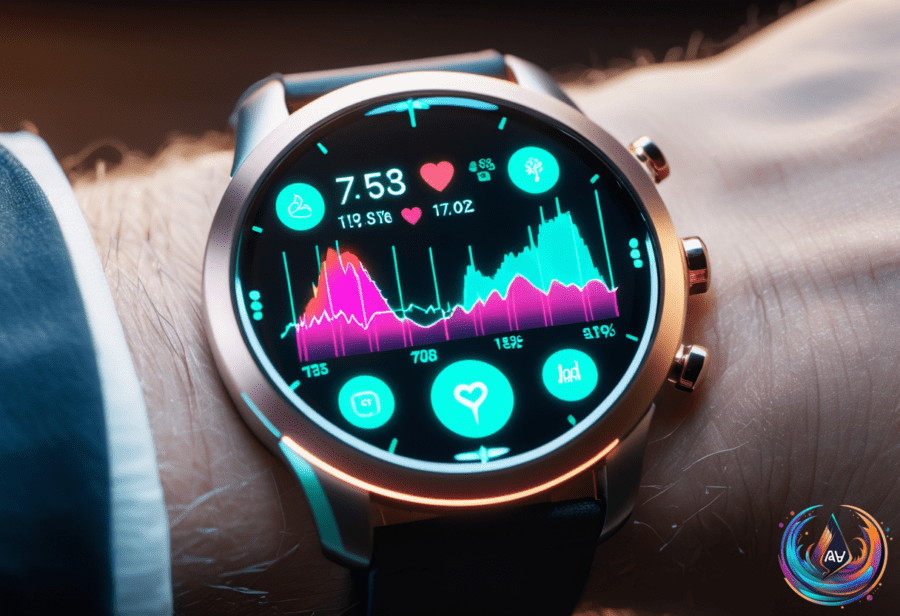
Apple uses photoplethysmography (PPG) technology in its watches to measure blood volume changes. This tech, combined with ECG features from the Series 4 onward, enables better heart monitoring. Cardiologist Michiel Winter said, “Using smartwatches with PPG and ECG functions allows doctors to diagnose individuals unaware of their arrhythmia, significantly speeding up treatment.”
Competitors like Samsung and Huawei have integrated similar heart-monitoring features. The race to catch arrhythmias early is on. But don’t mistake these alerts for diagnoses. Smartwatches are good at noticing breaks from usual patterns. They hint at illness but can’t confirm it.
Beyond heart health, research from Texas A&M and Stanford shows smartwatches can detect physiological changes from respiratory infections before symptoms appear. They may spot early signs of COVID-19 and influenza within hours of infection.
Apple is rumored to launch a Health+ subscription service that uses AI for personalized health advice. This could turn wearables into proactive health assistants, not just passive trackers.
Still, smartwatches with new FDA-cleared health features often come with marketing campaigns that imply they tell you more than they do. The devices improve detection and awareness but don’t replace medical tests or doctors.
Wearables are a step forward in health monitoring. They alert users to issues that might otherwise go unnoticed. But they remain tools, not crystal balls.
Based on
- How your smartwatch and AI might detect early signs of illness — engadget.com
- Are Smartwatches Accurate for Health Tracking? (2026) — mymassconnwoods.org
- 6 Ways Your Smartwatch Might Be Misleading You | Science Explained (2026) — djslot4d.com
- Smartwatches: A Game-Changer for Arrhythmia Detection and Care (2026) — hnsmba.org
- Apple Watch vs. Traditional ECG: Which Detects Heart Arrhythmias Better? (New Research) (2026) — gciot.org