Rome is battling a severe heatwave with a clever new tool. The city gave about 700 elderly residents a special bracelet. This device tracks heart rate, sleep patterns, and movement both inside and outside the home.
The bracelet can detect falls and lets wearers call for help in emergencies. It connects them directly to social workers. This helps keep vulnerable people safe during extreme heat.
The scheme started last year and is part of a bigger support program. It uses funds from the European Union’s post-Covid recovery money. The goal is to protect elderly residents from heat-related health risks.
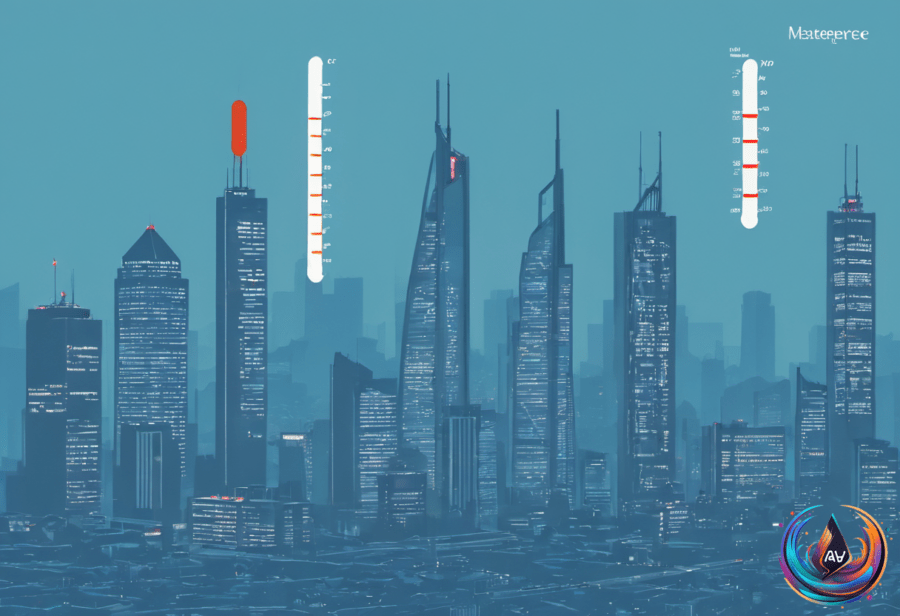
Temperatures in Rome have climbed into the upper 30s Celsius during this heatwave. Italy’s public health agency placed 18 major cities under red alert, including Milan, Florence, Turin, Venice, and Genoa. Emergency admissions in Italy rose by 10 to 15 percent as hospitals treated heat exhaustion, dehydration, heatstroke, and heart stress.
Hospitals are increasing emergency staff and issuing public warnings. Courts in Palermo will suspend hearings, and Florence’s Uffizi Gallery has restricted access. The heat has pushed electricity and water demand in major cities to their limits.
Tracking Health in Real Time
The bracelet is more than a tracker. It’s a lifeline, especially for elderly people living alone. Dina Gazzella, one of the users, said, “If I feel unwell, this is a lifesaver.” She also said, “They convinced me to get it because I’m alone, and if I fall, no one will pick me up. This one beeps, and someone will come.”
Piera Pomente, a clinical psychologist coordinating the scheme, explained why the device is vital. “The bracelet is crucial for elderly people in this hot period, especially because their blood pressure drops, their heart rate is slightly lower than normal, they really suffer.”
Heatwave Impact Across Europe
This heatwave is not just hitting Italy. It began on June 21, 2026, and the World Health Organisation linked it to more than 1,300 deaths across Europe. France reported roughly a thousand excess deaths in one week alone. Germany recorded a peak temperature of 41.7°C.
The heat damaged infrastructure, causing road closures in Switzerland and Germany. Transportation systems also faced disruptions. French hospitals are under strain with more emergency room visits for heat-related illnesses.
In Italy, at least five deaths are linked to the heatwave. Authorities urge people to use cooling centers, check on the elderly, and avoid outdoor activity during peak heat. Alessandro Riccardi, president of the Italian Society of Emergency Medicine, said, “Admissions have increased in major cities. The rise is currently limited. There is no immediate cause for alarm.”
The link between this extreme heat and climate change is clear. A study by World Weather Attribution confirmed such temperatures would have been virtually impossible without climate change.
Rome’s wearable device program offers a glimpse of how technology can help protect vulnerable people in tough conditions. It combines health monitoring with fast emergency response. The hope is that this approach can save lives as extreme heat becomes more common.
Based on
- As a deadly heatwave grips Europe, Rome leans on a bracelet to watch its elderly — thenextweb.com
- Heatwave watch: smart tech helps keep Rome’s elderly safe | The Star — thestar.com.my
- Europe’s Record-Breaking Heatwave: Climate Change, Health Crises, and Infrastructure Failures (2026) — eraoutbound.com
- Italy heat wave emergency admissions Triggers Red Alerts in 18 Cities — blaqloaded.com
- France’s Deadly Heatwave: 1,000 Excess Deaths & Europe’s Climate Crisis Explained (2026) — manchestercameraclub.org