Caterpillar’s Mining Playbook Takes AI Into Everyday Industrial Workflows

Nearly every company trying to deploy artificial intelligence faces the same obstacle: getting the technology to work inside everyday operations. Caterpillar has spent decades dealing with a version of that challenge in the physical world, where software must guide large machines, support workers, and fit into complex industrial routines.
That experience gives Caterpillar a practical starting point as it brings AI into more parts of the business. The company began its push into autonomous technology with mining, then built a wider set of tools for jobsites, quarries, construction sites, manufacturing, and workforce training.
From Autonomous Mining to Broader Industrial Work
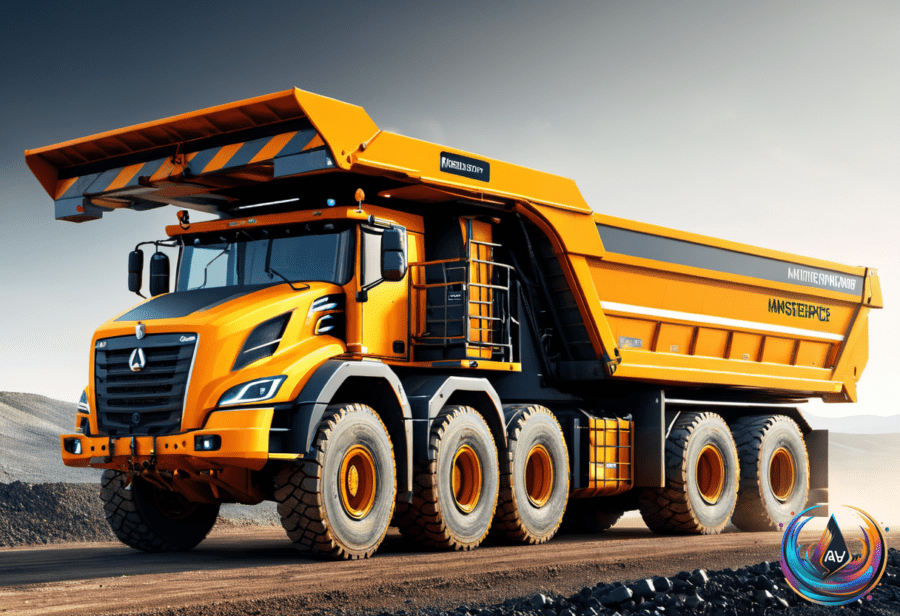
Caterpillar sells automated haul trucks, drilling equipment, underground loaders, dozers, remote-controlled construction equipment, and more. Its autonomous toolkit also includes a software command center, fleet management, and remote terrain intelligence. Together, these systems connect machines with the people responsible for operating and managing them.
The company’s mining work taught it that autonomy involves more than building a machine that can perform a task without direct control. It also requires changes to workflows, command structures, training, and the way people work alongside technology. That lesson now shapes Caterpillar’s plans for less controlled and more varied environments.
“Now we’re in this super exciting time where we can take all of that learning from mining and bring it into much more dynamic environments, jobsites, quarries, and construction sites,” Jaime Mineart, Caterpillar’s CTO, said.
Those environments create a different test for autonomous systems. Mining operations can use defined areas and repeatable routes, while jobsites and construction sites bring more varied conditions and tasks. Caterpillar’s approach is to carry over what it learned from mining while adapting the technology to these wider settings.
AI Tools for Machines, Workers, and Software
Caterpillar is also using AI to support the people who operate and maintain its equipment. The Cat AI Assistant lets field technicians use voice commands to pull up repair procedures, troubleshoot problems, and identify parts. Customers, operators, and technicians use the assistant, giving AI a role that reaches beyond the machine itself.
The scale of Caterpillar’s connected equipment gives the company a large base for these efforts. It has about 1.6 million connected assets globally and more than 16 petabytes of structured data. That information supports software and AI systems across the company’s operations, including tools that help people understand equipment and work sites.
Caterpillar is using AI to power software that scans sites and generates digital twins in manufacturing. These digital representations can give teams a way to examine a site or production environment through software, linking physical operations with digital information.
AI is also changing how Caterpillar builds its own software. The company uses AI agents to modernize legacy code, generate and test new software, and identify defects earlier. Jaime Mineart described the work directly: “We use AI agents to modernize legacy code, generate and test new software, and identify defects earlier.”
That combination matters because AI deployment does not stop when a system works in a demonstration. The technology must fit existing software, equipment, and routines, while workers need a clear way to use it. Caterpillar’s work spans all three areas: autonomous machines, AI tools for employees, and software development supported by AI agents.
Training Workers for a Different Operating Model
Building the technology is only part of the challenge. Deploying autonomous machines requires Caterpillar to rethink workflows and decide how people will work alongside systems that can handle more tasks on their own.
The company leans on experienced operators to help train its AI systems. Their knowledge gives the technology practical guidance from people who understand how equipment behaves in real work settings. As machines become more autonomous, some operators may shift from controlling a single machine to overseeing multiple machines from a remote command center.
That shift changes the job without removing the need for human judgment. Instead of focusing on one machine at a time, an operator may monitor several machines and respond when a system needs help. Caterpillar’s command-center tools and remote terrain intelligence form part of the infrastructure for that model.
To prepare its workforce, Caterpillar plans to spend $100 million over the next five years training employees in AI, autonomy, and robotics. The investment connects the company’s technology plans with the skills needed to use those systems. It also shows that Caterpillar treats training as part of deployment, not as a separate task after the equipment is built.
AI Demand Adds Momentum to Caterpillar’s Plans
The company’s AI and autonomy push comes as demand for infrastructure that supports cloud computing and generative AI grows. Caterpillar’s quarterly revenue reached an all-time high of $20.5 billion in the second quarter, while its power-generation division saw sales spike 72% to $3.10 billion.
CEO Joe Creed tied that performance to the demand surrounding new computing infrastructure. “No one is slowing down,” Creed said when discussing demand for cloud computing and generative AI infrastructure.
That demand gives Caterpillar two connected opportunities. It can use AI to improve its own operations and equipment, while its power-generation business serves the infrastructure tied to cloud computing and generative AI. The company’s mining experience provides the operating lessons, and its connected assets, software, and training plans give those lessons a path into other parts of the business.
Caterpillar’s approach is not built around one AI product. It combines autonomous equipment, remote command centers, field support, digital twins, AI agents, and workforce training. The central idea is simple: AI becomes useful when it fits the work already happening around it.
Based on