China’s movie theaters are changing fast. Box office revenue is plunging. The first half of 2026 saw a 40.6% drop, falling to about $2.56 billion. That’s a steep fall after a strong 2025, when cinemas raked in roughly $7.45 billion — a 22% jump from 2024.
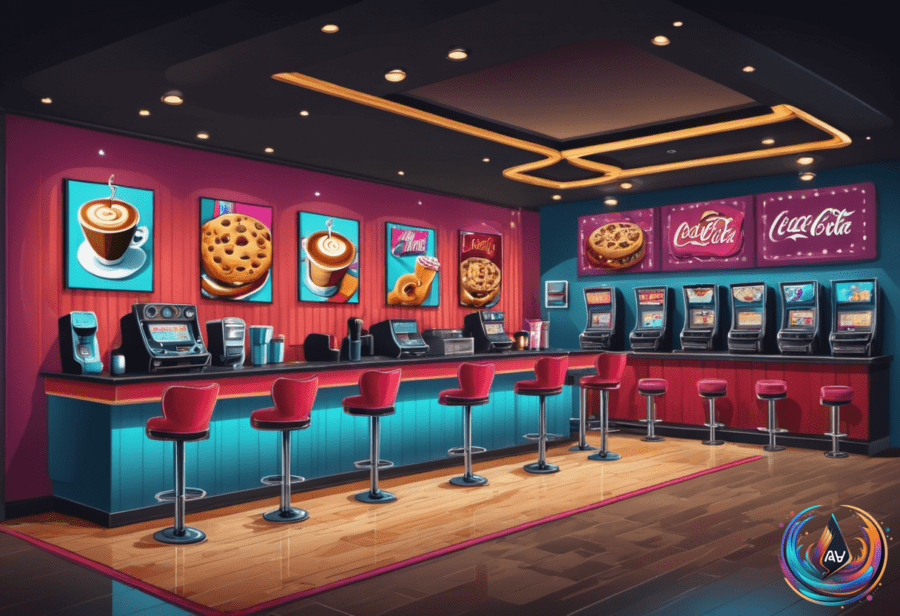
So what’s the plan to fight back? The government is pushing cinemas to become more than just places to buy tickets. New rules ask theaters to add AI agents, coffee shops, and karaoke booths. They want cinema lobbies buzzing with more than just moviegoers waiting to enter.
Cinemas Get Smarter and More Social
The National Film Administration teamed up with the State Administration for Market Regulation to roll out fresh guidelines. These rules encourage theaters to install AI concierge agents. Imagine a smart assistant helping you find a movie or order snacks instantly.
But that’s not all. The guidelines also suggest turning unused screening rooms and lobby space into retail and cultural spots. Coffee shops and karaoke booths are high on the list. It’s about flipping the whole cinema experience into a hangout, not just a ticket line.
And it’s working. For example, Nezha-branded coffee drinks sold five million cups in just three days. That’s an eye-popping figure showing people want more than popcorn while they wait or after their movie.
The Big Picture: Industry Impact and Challenges
China’s film industry is massive. In 2025, total industry output hit 817.26 billion yuan. That’s huge. Each yuan spent at the box office reportedly generates 15.77 yuan in related industries. That’s a powerful economic ripple effect.
The Lunar New Year alone pulled in about 9.5 billion yuan in ticket sales in 2025. Urban cinema admissions soared to around 1.24 billion that year too. Clearly, cinemas still hold a big place in daily life.
To boost ticket sales, a “Film Consumption Year” initiative set aside roughly $130 million for ticket discounts and deals. The goal? Pull crowds back into theaters. But adding coffee bars or karaoke isn’t free. Converting screening rooms costs money. Training staff to run new services adds expense. That hits small and independent cinemas hardest. They may struggle to keep up.
Another hurdle? The new guidelines don’t come with clear enforcement or funding. The government is encouraging change but not footing the entire bill. Cinema operators must find ways to innovate on tight budgets.
Where Cinema Meets Culture and Tech
These changes reflect a bigger shift in entertainment. Cinemas want to be cultural hubs. Spaces where you grab a coffee, sing karaoke, and enjoy AI-powered help. The Shanghai Municipal Film Administration is on board. Liu Yina, its film department director, supports these moves to mix film with retail and culture.
Luo Yang, deputy head of the China Film Administration, emphasizes the power of the box office beyond ticket sales. The industry creates waves across many sectors. Every yuan spent brings a 15.77 yuan boost to related industries. The potential is huge if cinemas evolve.
China’s movie market roared back in 2025 but now faces big challenges. This new push to diversify offerings could keep cinemas alive and buzzing. Coffee, karaoke, AI concierges — these aren’t just extras. They could define the future of going to the movies.
The question is: will cinemas adapt fast enough? And will audiences embrace the new experience? The next chapters in China’s cinema story are unfolding now. One thing’s clear — the silver screen is no longer just about films.
Based on