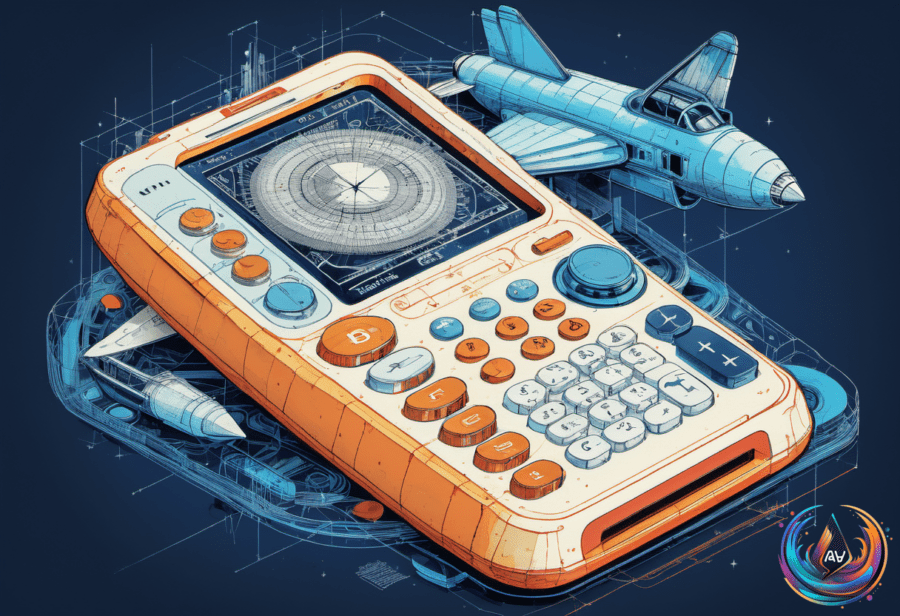
Commodore, a name from the past, just launched a new flip phone with a twist. The Call Back 8020 looks retro but blocks social media and web browsers at the system level. It’s a flip phone designed to keep you focused.
The phone runs Sailfish OS, a Linux-based system with Android app compatibility. It supports popular apps like WhatsApp and Spotify but firmly bans social media and browsers. This ban is enforced by patent-pending technology, including DNS-level blocking. Even if you sideload banned apps, they won’t connect to the internet.
The device also embraces nostalgia with swappable covers and an 8-bit SID music player from the original Commodore 64 days. Its exterior screen mimics 1970s Commodore calculators with a red tint. The top-end version features a 24K gold-plated button and costs $640.
Commodore’s move taps into the growing demand for “dumb phones.” Many consumers and parents are questioning constant connectivity’s toll. The Callback 8020 aims to offer a middle ground: smart enough for essential internet use but without the distractions of social media.
US Government Targets AI Company Anthropic
In a rare move, the US Commerce Department ordered AI company Anthropic to block foreign access to its latest models. This directive cited national security concerns over potential vulnerabilities. Instead of limiting users by country, Anthropic took down the models entirely for everyone.
This action is part of a longer clash between Anthropic and the Trump administration. Earlier, federal agencies were banned from using Anthropic’s technology, and the Pentagon called the company a supply-chain risk. The core issue is Anthropic restricting military use of its AI models, which the government opposed.
Anthropic’s CEO, Dario Amodei, argued these government moves lack legal basis and plans to fight them in court. Meanwhile, decentralized AI tokens surged in value as investors bet on permissionless AI platforms that can’t be easily shut down by regulators.
SpaceX’s Record IPO: Rockets, Satellites, and AI Compute
SpaceX made headlines with the largest IPO ever, raising about $75 billion. The company priced 555 million shares at $135 each and began trading on Nasdaq as SPCX. The market valued SpaceX at over $2 trillion on day one.
The IPO proceeds will fund SpaceX’s growth plans, including expanding AI compute infrastructure, launch vehicles, and satellite constellations. Notably, AI compute was the first priority, showing how vital artificial intelligence is to SpaceX’s future.
Elon Musk keeps control with over 80% voting power. While the IPO brings transparency, SpaceX is not yet profitable and faces uncertainty. Still, this funding puts SpaceX in a strong position to push forward with ambitious projects like Starship and Starlink.
Donald Trump’s Historic Bitcoin Purchase
In a surprising moment, Donald Trump made the first publicly documented Bitcoin purchase by a US president. He paid for burgers and beers using Bitcoin at a Bitcoin-themed bar in Manhattan in 2024.
Trump scanned a QR code to complete the transaction and described the process as “very easy.” This act adds a political figure to Bitcoin’s story and helps normalize cryptocurrency use beyond tech circles.
The transaction is permanently recorded on the blockchain, marking a unique moment in crypto history. It shows how digital currency has moved into mainstream awareness and politics.
UK Bans Social Media for Under-16s
The UK government will ban social media use for anyone under 16 starting in spring 2027. Platforms like TikTok, Instagram, Snapchat, and Facebook will be off-limits for younger users. The ban also covers livestreaming and stranger communication on gaming platforms.
Prime Minister Keir Starmer said the move aims to give kids their childhood back and protect them from harmful content. The ban comes after a national consultation where most parents and many young people supported tougher rules.
Messaging apps like WhatsApp and Signal are exempt because they offer secure, private communication. The new law will also introduce curfews and breaks from infinite scrolling for under-18s. The UK is leading with some of the strictest social media rules globally.
The tech world is shifting fast. Commodore’s retro flip phone shows a desire to disconnect, while governments and companies grapple with AI control and kids’ safety online. Meanwhile, SpaceX’s IPO and Bitcoin’s political debut show how tech and finance continue to shake up the world.
Based on
- Commodore’s newest gadget is a flip phone that blocks social media and browsers — arstechnica.com
- Trump administration weighs sanctions on Anthropic amid AI model dispute — cryptobriefing.com
- SpaceX raises a record $75 billion in its Nasdaq debut, with rockets, satellites and AI compute named as where the money goes — spacedaily.com
- Donald Trump makes historic purchase with Bitcoin, first by a US president — cryptobriefing.com
- No more TikTok if you’re under 16 in the UK – PhoneArena — phonearena.com