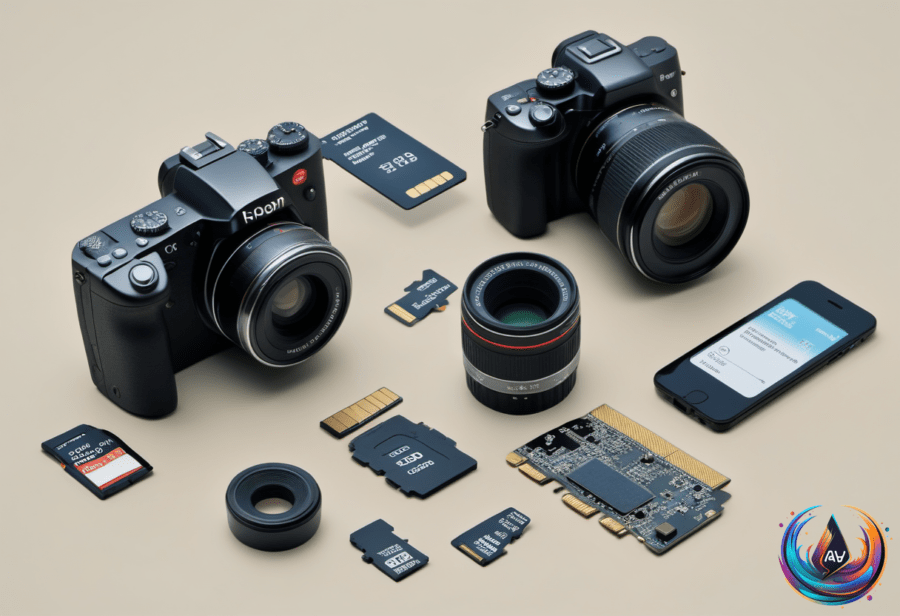
Smartphones have not killed digital cameras. A digital camera can mean anything from a compact point-and-shoot model with a fixed lens to a high-end mirrorless camera with interchangeable lenses. That range makes the question of value less tidy than a simple yes or no.
A dedicated camera can deliver better photos than a smartphone and offer an engaging hobby in the process. It also gives photographers access to lenses, sensors, controls, and shooting experiences that smartphones do not match across every category. The catch is familiar: the best camera is the one you have with you, and carrying a camera can be more burdensome than carrying a smartphone.
Smartphones have narrowed the gap with features such as adjustable aperture through Portrait Mode. Apps like Halide offer more control, giving phone owners tools that once helped separate a dedicated camera from a pocket computer. Convenience remains the smartphone’s strongest argument — no extra device, memory card, or file-transfer routine required.
The price range is enormous
Digital cameras now cover a huge spread in cost. Canon’s EOS R100 goes for around $500, placing an interchangeable-lens camera within reach of buyers who want more control without approaching professional prices.
At the other end, a top-of-the-line mirrorless camera can cost around $5,000. That price makes the decision less about replacing a phone and more about choosing photography as a serious hobby or professional tool. The camera itself is only part of the experience, since digital cameras require users to offload files from memory cards to computers and editing software.
That workflow can be rewarding for people who want to shape their photographs after shooting. It can also feel like administrative work when a smartphone has already produced a usable image, edited and ready to share. The dedicated camera offers more room to work, but it asks for more effort in return.
Mirrorless has become the main event
For buyers choosing between a DSLR and a mirrorless camera, the market has already made its preference clear. In 2025, mirrorless cameras represented about 90 percent of interchangeable-lens camera shipments, while a Shotkit survey found that 63 percent of 1,000 professional photographers used mirrorless cameras.
DSLR stands for digital single-lens reflex camera. A DSLR uses a mirror inside the body to redirect light into an optical viewfinder, and that mirror flips up when the camera takes a photo.
Mirrorless cameras remove that mirror. They send light directly to the sensor and show the feed through an electronic viewfinder or rear display, creating a different shooting experience and allowing manufacturers to build smaller camera bodies.
The technical advantages extend beyond size. Mirrorless cameras can include more autofocus points, detect subjects such as eyes, animals, or vehicles, and use electronic shutters. Autofocus, video capabilities, and the shooting experience have helped push mirrorless models ahead of DSLRs for many buyers.
Canon and Nikon have focused more on mirrorless cameras recently, with Nikon building around its Z mirrorless system and releasing no new DSLR since 2020. Pentax plans to continue working on SLR technology, so the older design has not vanished. It has simply stopped being the center of the camera market — a fate familiar to hardware categories that once looked permanent.
Modern mirrorless options include Sony’s A7R VI and Sony’s ZV-E1, while the broader market also includes compact cameras, DSLRs, and action cameras from brands such as GoPro. Buyers have no shortage of camera types; the harder task is deciding how much control and effort they actually want.
With a good sensor and lens, photographers can take great photographs with either a DSLR or a mirrorless camera. In 2026, a digital camera is worth buying when better images, interchangeable lenses, and an engaging hobby matter more than smartphone convenience.
For everyone else, the phone remains the easier tool to carry and use. That is not a failure of cameras. It is the price of asking a separate device to do more.
Based on