Foldable phones promise a screen that bends, closes, and returns to work whenever you need it. But their durability can be extremely unpredictable, so the way you handle the hinge and inner display still matters.
Manufacturers now make bold durability claims. Google says the Pixel 10 Pro Fold’s gearless hinge can handle over 10 years of folding, while Samsung says the Galaxy Z Fold7’s OLED panel stayed functional after 500,000 folds in lab testing. Those numbers sound reassuring, but they describe test results, not a countdown that tells you exactly when a phone will fail.
What the Fold Counts Really Tell You
Samsung’s Galaxy Z Fold7 OLED panel completed 500,000 folds during a 13-day Bureau Veritas test at 77 degrees Fahrenheit. That result matches over 10 years of use if the phone is folded around 100 times per day. If you fold it more than 200 times per day, the same test equals over six years.
That gives foldable buyers a useful way to understand the claim. A person who opens the phone around 100 times each day puts less folding stress on the device than someone who passes 200 folds each day. The test does not promise that every phone will last for the same period, because daily use includes more than opening and closing the hinge.
Samsung’s fold-count claims are laboratory results, not a countdown to failure. The company’s earlier claim of 200,000 folds on the original Galaxy Fold fell short in past testing, which adds an important reminder: durability numbers deserve attention, but real-world results can differ.
The Pixel 10 Pro Fold brings a separate claim from Google, which says its gearless hinge can handle over 10 years of folding. Together, these claims show how manufacturers are pushing hinge and display durability forward, even as the long-term experience remains unpredictable from one foldable to another.
Keep the Inner Display Out of Trouble
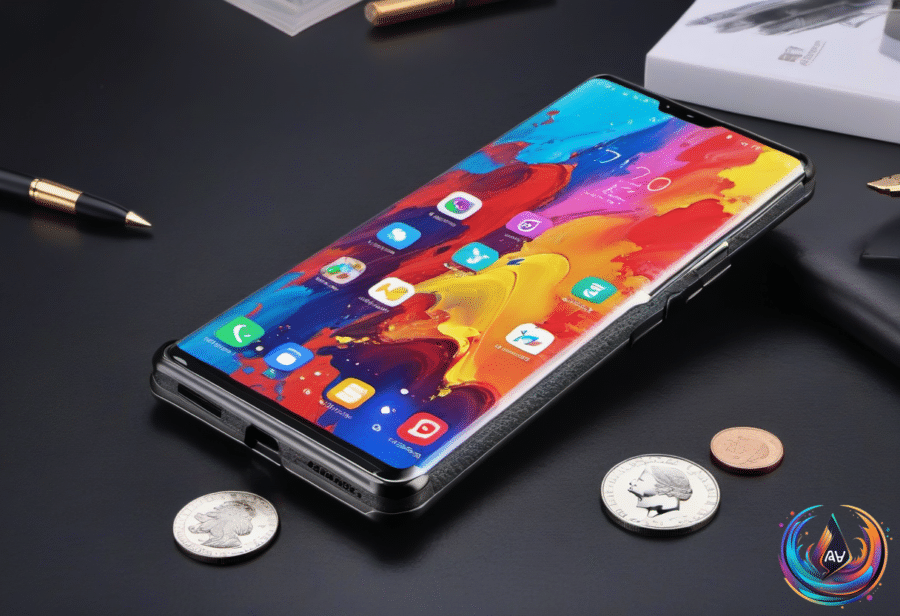
The hinge is only one part of the system. Samsung’s foldable care guidance warns that cards, coins, or keys can scratch or puncture a Galaxy foldable’s inner display. That makes the space around the screen just as important as the hinge itself.
Do not leave those objects between the two halves when closing the phone. A thin card, a loose coin, or a key can place pressure on the inner display at the exact moment the device folds shut. Samsung’s warning is direct: these objects can damage the screen, not just leave a small mark.
The safest habit is simple. Before folding a Galaxy foldable, check that nothing sits between the inner display panels. This small pause follows the main care principle described by Husain Parvez: “The idea isn’t to ration every unfold, but to avoid making an already complex piece of hardware work harder than necessary.”
That does not mean counting every fold or refusing to use the phone’s main screen. It means avoiding extra pressure and preventing objects from entering the folding area. The goal is to let the hinge do its job without adding stress the phone does not need.
Water and Dust Ratings Do Not Remove Every Risk
The Galaxy Z Fold8 and Fold8 Ultra have an IP48 rating, but that code needs careful reading. The first digit describes protection against solid objects, and a 4 means objects 1mm thick or larger cannot enter. A 6 indicates a dust-tight device.
That difference matters because IP48 does not equal the highest solid-particle protection shown by the rating system. The number 4 offers protection against objects at least 1mm thick, while 6 represents dust-tight protection. The rating tells you about tested protection levels, not every condition a foldable phone may face.
A foldable’s hinge and inner screen remain complex parts, even when the phone carries an IP rating. Care still comes down to keeping unwanted objects away from the display and avoiding unnecessary strain during everyday folding. The rating adds information, but it does not replace careful handling.
Repairs Can Carry a Serious Cost
Durability claims matter because repairs can be expensive. Samsung currently lists a Galaxy Z Fold8 inner-screen module replacement at $579, giving owners a clear reason to protect the inner display from keys, coins, cards, and pressure.
That price also changes how you think about daily habits. Checking the screen before closing the phone takes a moment, while replacing the inner-screen module costs $579. The fold count may measure endurance in a lab, but careful handling can help prevent the kind of damage those tests do not cover.
Foldable phones are moving toward longer lifespans, with the Galaxy Z Fold7’s 500,000-fold test and the Pixel 10 Pro Fold’s over-10-year hinge claim showing what manufacturers aim to achieve. Still, the smartest care routine stays straightforward: keep the folding area clear, treat the inner display as vulnerable, and remember that laboratory endurance is a benchmark rather than a guarantee.
The future of foldables will depend on more than bigger fold counts. It will depend on hinges, screens, protection ratings, and repair costs working together to make daily use feel dependable. For now, a little care gives today’s foldable hardware the best chance to live up to its biggest promises.
Based on