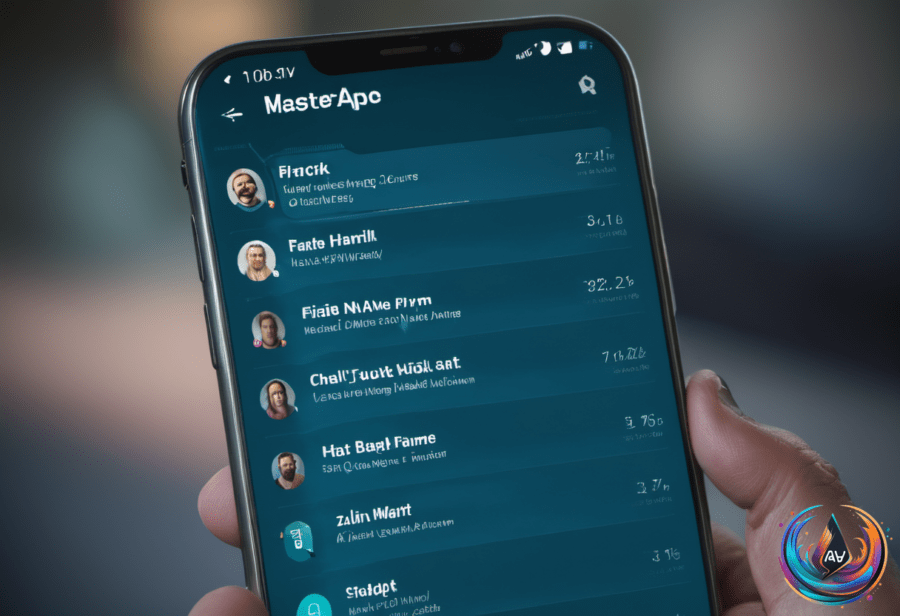
WhatsApp just shook up the messaging world. On June 29, it started letting nearly three billion users reserve unique usernames. This move lets people connect without sharing phone numbers. Sounds cool, right? But wait—this change is triggering alarms in powerful places.
India and Somalia Push Back Hard
India, home to over 600 million WhatsApp users, is leading the charge against this new feature. The Ministry of Electronics and Information Technology demanded Meta pause the rollout. They want a full explanation on how WhatsApp plans to stop fraud and impersonation risks. India’s government warned that usernames could help scammers pose as public officials, banks, or even government agencies. They fear this could fuel identity spoofing on a massive scale.
India’s concern is more than theory. In 2025, Indians lost nearly $3 billion to cyber fraud. That’s a staggering number that adds weight to their caution. The government also sent notices to other messaging apps like Telegram and Signal over their username systems.
Somalia is now backing India’s objection. The National Communications Authority of Somalia, led by Mustafa Yasin Sheikh, worries that usernames will make it harder for security forces to identify terrorists and criminals. Somalia has been battling the al-Shabaab insurgency since 2006, so their security concerns are serious. Mustafa Yasin Sheikh said plainly, “Somalia is following India’s example.”
What’s Changing with WhatsApp Usernames?
- Users still need a phone number to create accounts.
- After reserving a unique handle, new contacts see only the username, not the phone number.
- WhatsApp plans to reserve usernames linked to public figures, government bodies, and verified accounts to prevent impersonation.
- Users can link Instagram or Facebook usernames to keep consistent identities across platforms.
Meta says the feature is designed to enhance privacy. WhatsApp’s FAQ urges users to pick unique usernames. But critics see risks beyond privacy.
Privacy vs. Traceability: The Core Conflict
At the heart of the debate is traceability. Phone numbers give authorities a solid lead to track bad actors. Switch to usernames, and that lead gets thinner. A senior Somali official said, “There is a possibility that bad actors may claim usernames… and message other users while pretending to be someone they are not.”
Meta has resisted government demands to trace WhatsApp messages, citing end-to-end encryption. They argue tracing would weaken user security. This clash pits privacy against law enforcement’s need to investigate crime.
The Internet Freedom Foundation weighed in, arguing India is stretching platform-liability rules into product design. They said, “Impersonation and fraud are real risks, but they are met by enforcing the criminal law against those who commit them.”
Privacy experts like Rachel Tobac, CEO of SocialProof Security, agree usernames reduce phone number sharing but still open doors to impersonation. The Mozilla Foundation warned usernames could increase scams and identity theft.
What’s Next for WhatsApp and Its Users?
Meta announced the username feature globally on July 2, 2026. But it is not live yet in India. WhatsApp says it’s taking a gradual approach and listening closely to feedback. This cautious rollout hints Meta knows the stakes are high.
Meanwhile, governments and digital rights groups are watching closely. They demand safeguards to prevent fraud and protect security without sacrificing privacy. The pressure on WhatsApp is immense. Will Meta find a balance? Or will this spark bigger fights over digital identity?
One thing is clear: the way billions connect is changing fast. Usernames promise convenience and privacy. But they also bring new challenges for security and trust. The world is watching. The next moves by Meta, India, Somalia, and others will shape the future of messaging for years to come.
Based on
- Somalia backs India’s objection to WhatsApp’s username switch — thenextweb.com
- India asks Meta to hold WhatsApp username rollout over fraud fears — france24.com
- WhatsApp usernames are already raising impersonation red flags | TechCrunch — techcrunch.com
- WhatsApp has launched a major privacy update | National Post — nationalpost.com
- India gives Meta notice to remove child sexual abuse ads – UPI.com — upi.com