The world’s energy and defense landscapes are shaking hard in 2026. A near-paralyzed Strait of Hormuz is choking global oil supply. Military strikes in the Middle East have sent shockwaves through markets. Oil prices are soaring, and investors face sharp uncertainty. What’s driving this upheaval? And where does it leave global power players?
Strait of Hormuz: The Global Oil Chokehold
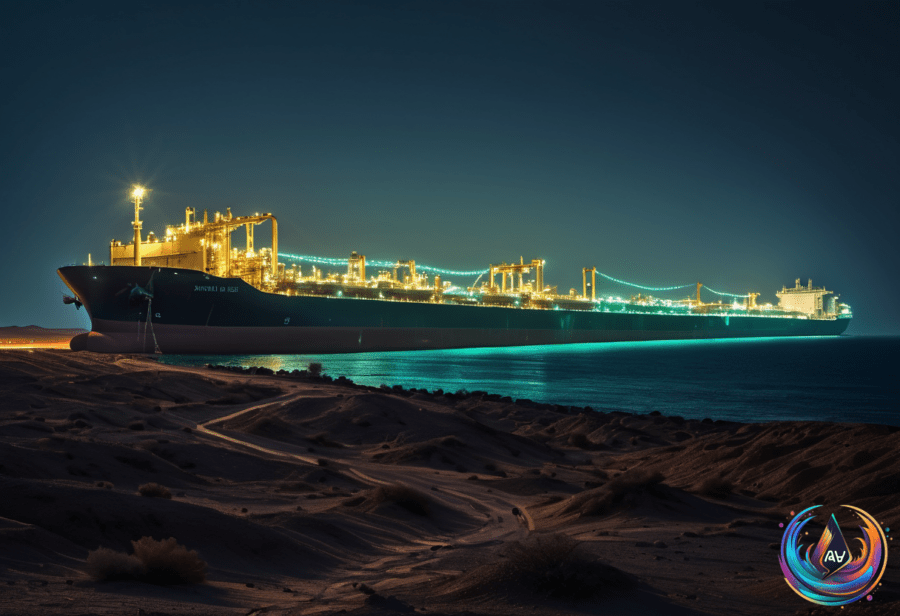
The Strait of Hormuz handles one-fifth of the world’s oil. When Iran effectively closed this critical transit point, it triggered a massive supply squeeze. Oil prices bounced sharply. Brent crude rebounded to $96.50 a barrel. US crude jumped 2.2% to $90.59. This spike rattled markets everywhere.
“A central consequence has been the near-standstill of traffic through the Strait of Hormuz, sending oil prices higher, lifting inflation and denting consumer spending across several countries,” one report explained. The ripple effects hit inflation and global consumer wallets hard.
Iran’s moves are not isolated. The country launched retaliatory strikes on American allies in the Gulf. Targets included the United Arab Emirates, Saudi Arabia, Kuwait, and Qatar. This tit-for-tat violence escalates tensions and deepens uncertainty.
Military Clashes and Market Ripples
March 2026 marked the start of a US-Israel campaign against Iran. The military strike shook markets. Asian shares retreated momentarily. Oil prices jumped 2%. The S&P 500 dropped 1.51%, and the Nasdaq 100 slid 1.88%. Investors showed clear anxiety about the conflict’s impact on energy supply and stability.
US military deployment includes marines and possible ground troops. This is no bluff. The complexity demands a multi-faceted approach. The market’s reaction proves how interconnected global economies are. Even talk of “winding down” the war from the Trump administration caused turmoil. The market’s nerves remain raw.
“The market’s reaction to Trump’s words is a reflection of the heightened anxiety around global energy supply,” analysts said.
Wider Geopolitical Fallout: Russia, China, and Europe
While the Iran conflict roils the Middle East, other global flashpoints intensify. Russia’s war in Ukraine hit its fifth year in February 2026. Despite setbacks, Putin stays defiant. His campaign keeps threatening Western democracies. Yet, the Russian economy showed some respite this year. The US eased some sanctions on Russian and Iranian oil in March, responding to supply disruptions caused by Middle East hostilities.
“The relief may prove fleeting. Ukraine is striking oil refineries ever deeper inside Russian territory, and the economy continues to stagnate,” experts warn.
Polls show a third of Russians criticize Putin’s economic policies. Only 15% say his actions help. The drawn-out conflict benefits Putin politically. Upcoming elections in France, Germany, and the UK could strengthen his hand. Populist right-wing and far-right parties linked to Moscow are gaining ground. They may not openly support Putin but could block aid to Ukraine if they rise to power.
Regardless of political shifts, defense spending remains strong in Europe. Ukraine fights on with battle-tested weapons, staying in high demand worldwide.
Trade Tensions and Broader Economic Impact
Before these conflicts flared, America and China tangled over tariffs in 2025. At the peak, the US slapped a 145% tariff on Chinese goods. China hit back with a 125% tariff on American goods. By May 2025, they eased these to 30% and 10%, respectively. But early 2026 brought a major blow. The US Supreme Court ruled against Trump’s tariffs. This dashed hopes for market calm.
Meanwhile, reports surfaced that China supplied dual-use electronics and semiconductors to Russia. These items allegedly powered weapons used in Ukraine. This highlights how global supply chains intertwine with geopolitics and conflict.
Looking Ahead: Navigating Volatility and Risk
Investors in aerospace and defense face one word in 2026: volatility. “Instability and volatility are the defining conditions that investors in aerospace & defense (A&D) must manage in 2026,” experts say. The conflict’s unpredictability, shifting alliances, and global trade tensions create a high-stakes environment.
Iran operates on long timelines, unburdened by electoral cycles. It builds defense and economic partnerships that boost leverage over developing nations. The Strait of Hormuz’s future remains uncertain, threatening global oil flow and economic stability.
Meanwhile, Ukraine refuses to surrender. Its battle-tested solutions keep drawing support. Russia remains a persistent threat. Europe’s political shifts could reshape defense support. The global economy balances on a knife edge.
The next chapters will test resilience, strategy, and adaptability. Energy prices, military moves, and geopolitical chess moves will dominate headlines. One thing is clear: the world is watching, and the stakes have never been higher.
Based on
- Navigating volatility: the macro fallout from the Iran conflict and oil-price spikes — techmonitor.ai
- Navigating volatility: the macro fallout from the Iran conflict and oil-price spikes – Naval Technology — naval-technology.com
- US-Iran Tensions Impact Global Markets: What’s Next? (2026) — ocpowersquadron.org
- Iran War: Global Economic Impact and Market Complacency (2026) — terradisedesign.com
- Trump’s Iran Strategy: Market Chaos and Military Plans (2026) — divinearenabattle.com