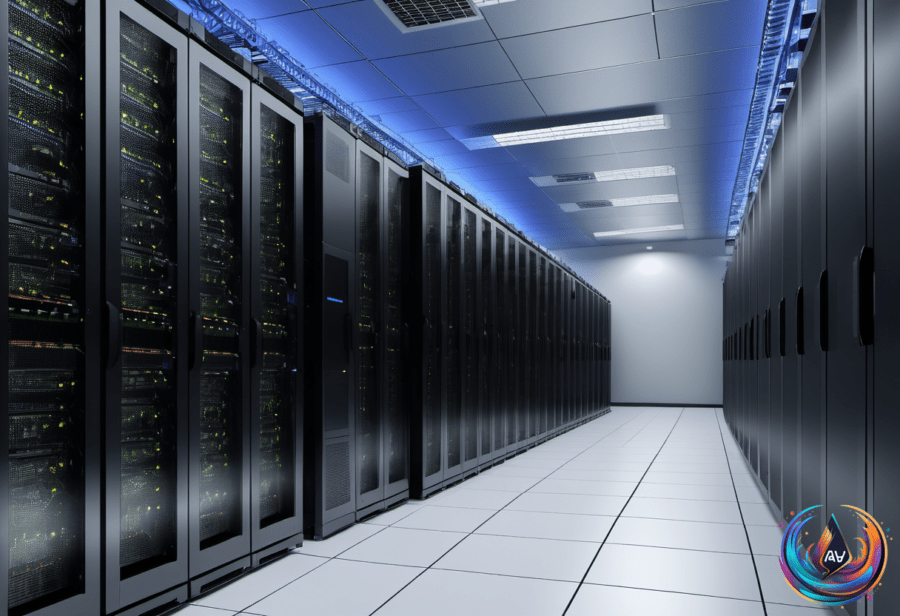
Data centers are becoming huge energy consumers. The International Energy Agency estimates they will use 3 to 4 percent of global electricity this decade. That’s a big slice for just one industry.
AI data centers bring a new challenge. Their computing loads can jump suddenly. This rapid change in power demand stresses electric grids. It’s not like traditional steady consumption.
In 2025, several incidents showed this clearly. More than 1 gigawatt of data center power demand dropped off suddenly during transmission problems. One event in February cut about 1,800 megawatts. Another in June shed roughly 1,300 megawatts. These are massive swings.
Such abrupt losses can threaten grid stability. The North American Electric Reliability Corporation (NERC) warned that as data centers grow and cluster, these events will get larger. “As the size of individual large load facilities increases and if large load facilities are located near one another, the sizes of these large load events will likely increase,” the NERC report said.
Climate Risks and Energy Strains
Weather events add to the pressure. Heatwaves, floods, storms, and wildfires are hitting data centers hard. Cooling systems use a large part of their electricity. When temperatures rise, cooling demand soars and energy use spikes.
These disruptions can delay projects, raise insurance costs, and reduce reliability. Some companies are redesigning data centers. They use advanced cooling, backup power, and environmental monitoring to build climate resilience. New servers often have efficient liquid cooling. This lets them run hotter and use less energy.
Location decisions now weigh climate risks. Companies check for threats like hurricanes, tornadoes, floods, and heatwaves. This helps protect future data centers from extreme weather.
Grid Impact and Industry Response
Data centers are no longer just big energy users. They act like cities in how much power they draw. AI campuses especially have this scale. “The fact that we’re already seeing customer-initiated load reductions at the gigawatt scale is a clear signal that AI data centers are becoming active participants in grid operations rather than passive consumers of electricity,” said Vikhyat Chaudhry, CTO of Buzz Solutions.
But the sudden shutdowns happen because equipment can’t handle grid disturbances. “The customer-initiated load reduction … is due to the inability of existing equipment in data center facilities (both AI and non-AI) to ride through normally cleared grid disturbances,” explained Parag Mitra from EPRI.
Utilities are trying to keep up. They create computational load models but lack detailed data and consistent testing methods. They must understand how these loads behave during outages and their effects on frequency and voltage.
In Texas, the Electric Reliability Council experienced nine cryptocurrency mining load-loss events over 100 megawatts in 2025. These events cause swings that threaten grid balance.
The increasing forced outage rate for power plants reached 9.2 percent in 2025. That’s above the usual 7 to 8 percent range. Coal and natural gas plants are most affected. NERC suggests reviewing reserve margin rules because conventional power plants are less available.
During heatwaves in the mid-Atlantic, the U.S. Department of Energy asked data centers to switch to backup power. This freed electricity for homes running air conditioners in Washington, DC, and New York. Backup generators often run on gas or diesel, which raises pollution and harms air quality.
Electricity prices in regions like Virginia’s PJM grid have surged due to heatwaves and floods. These weather threats put more stress on an already strained system.
The future of AI depends on smarter, more resilient data centers. They must use energy efficiently and adapt to climate risks. Otherwise, their growing power demands will keep pushing grid limits.
Based on
- AI’s Volatile Power Use Quietly Tests Grid Limits — spectrum.ieee.org
- Heatwaves challenge AI infrastructure as data centers face growing climate risks — sport.walaw.press
- NERC Flags AI Data Center Grid Risks in Report — datacenterknowledge.com
- Heat Wave Crisis: How Data Centers Are Saving Power for AC – Full Explanation (2026) — fasttrackbuildersbb.com
- Managing the energy demands of the AI revolution | EPR Magazine (Electrical & Power Review) – technology – Read this story on Magzter.com — magzter.com