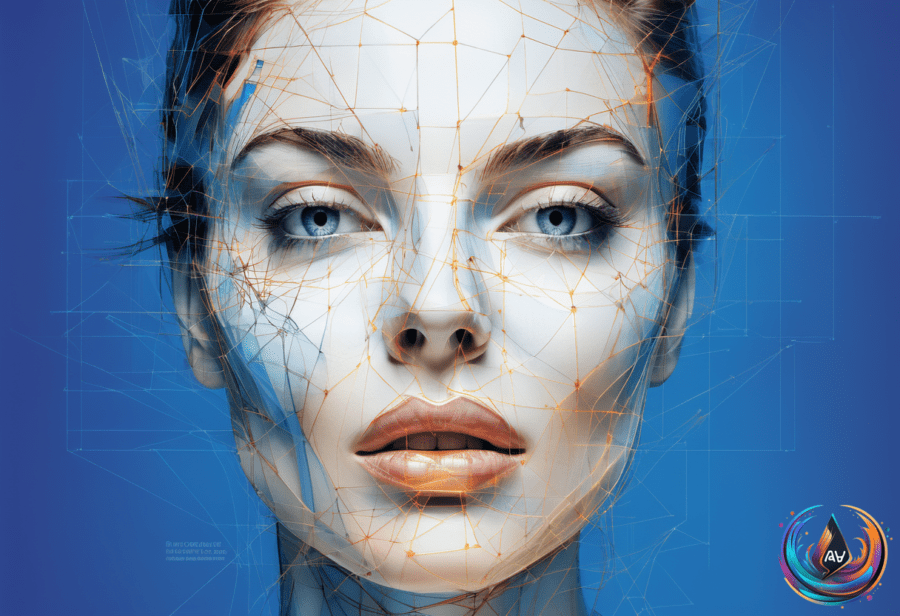
K-pop fans are facing a troubling new challenge. Some are creating AI-generated deepfakes of idols. These images and videos show idols in sexualized and intimate scenarios without their consent. The technology makes these fake videos look very real. This has sparked outrage across fan communities.
This isn’t just harmless fan art. Fans are digitally inserting themselves into scenes with idols, sometimes minors. The images show fake kisses, hugs, and other personal moments. Many K-pop fans see this as a serious violation of privacy and respect. They are calling on others to report these deepfakes and stand against this behavior.
The rise of AI tools has made it easy to create large amounts of content quickly. Unlike traditional fan edits, these deepfakes blur the line between fantasy and reality. Experts point out that idols are real people, not characters in fan fiction. The realistic nature of AI deepfakes creates ethical and psychological concerns for both idols and fans.
The Idol Industry’s Pressure Cooker
At the same time, K-pop idols face intense pressure to maintain a flawless public image. Dating and public displays of affection remain taboo, even as fans grow more global and diverse. Recently, a 5th-generation male idol exposed a fellow idol for showing “skinship” with his girlfriend. “Skinship” means physical affection like hugging or holding hands, which can upset the carefully maintained idol-fan fantasy.
This exposure came from within the industry itself, not from fans or media. It shocked many because it revealed cracks in the idol community’s supposed unity. It also highlighted the fierce competition among idols for popularity and clean images. For now, dating bans and strict image controls still dominate, but this incident shows the old rules are breaking down.
Fan Reactions and Industry Fallout
Fans are split on these scandals. Some believe idols owe it to fans to stay single and “pure.” They see the exposer as protecting the fandom’s trust. Others argue idols deserve privacy and normal relationships. They criticize the industry’s harsh control and the whistleblower’s betrayal. This debate reflects a broader shift in how fans view idols—as real people, not just products.
Agencies usually try to downplay such scandals. They may call it a “private matter” or say the exposure is a misunderstanding. But when an idol leaks information about a peer, denials become harder. Such incidents can hurt brand deals and fan subscriptions. Luxury brands working with idols demand spotless reputations. A single scandal can trigger contract cancellations and financial losses.
At the same time, some agencies are embracing AI to cut costs. For example, a major label released a fully AI-generated music video. Another launched a virtual idol group with AI avatars and synthetic voices. This shows the industry wants AI’s benefits but struggles with its risks. The rise of AI deepfakes and digital idols raises new ethical questions about consent and authenticity.
Meanwhile, idols also battle invasive fans known as sasaengs. Recently, BTS’s Jungkook warned sasaeng fans to respect boundaries. He threatened to expose those who stalk him. This reveals the toll obsessive fans take on idols’ mental health and safety. The boundary between fan enthusiasm and harmful obsession is thin but critical.
Fans sometimes use provocative profile pictures on fan messaging apps, hoping idols notice. One idol recently called out this behavior, reminding fans that artists can’t see their pictures. This highlights the strange dynamics between idols and fans, where fantasy and reality often collide.
The K-pop world is at a crossroads. The era of the flawless, single idol is ending. Fans want honesty but also cling to fantasy. Agencies want to protect brands but also embrace AI innovation. Idols want privacy but face intense scrutiny.
This tension will shape K-pop’s future. Will the industry adapt to more transparency? Or will it double down on control and risk losing fans? Either way, the rise of AI deepfakes and peer scandals reveals the fragile, complex nature of modern idol culture.
Based on
- K-pop Fans Are Calling Out Creepy Deepfakes of Idols — 404media.co
- 5th-Gen Male Idol Exposes Fellow Idol for Skinship With Girlfriend – Archypedia News — archypedia.news
- 5th-Gen K-Pop Idol Scandal: The End of the Idol Bubble – Memesita — memesita.com
- Male Idol Reacts To Fans’ “Provocative Profile Pictures” On Messaging App – KpopNewsHub – Latest K-Pop News, Idols & Korean Entertainment — kpopnewshub.com
- BTS Jungkook Threatens to Expose Sasaengs: What’s Happening? (English) (2026) — flybynightgraphics.com