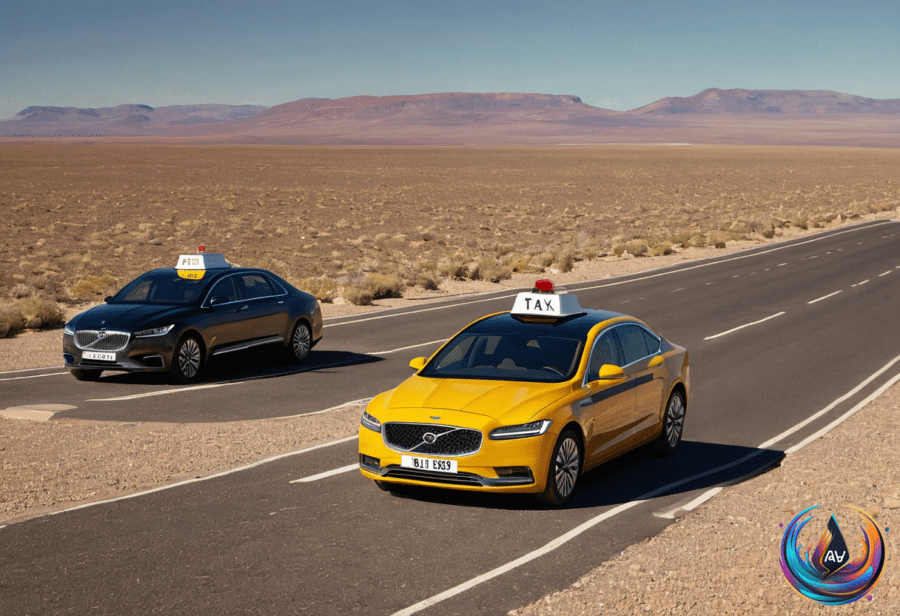
London’s robotaxi plans are slipping, with a self-driving taxi rollout now unlikely to happen this year. Uber and Wayve have received the city’s first minicab licences for self-driving rides, but both companies are still waiting for guidance from Transport for London on how the service should operate.
The delay creates a clear contrast with Nevada, where regulators have already approved paid autonomous rides for Tesla, Waymo and Uber. In London, the technology is moving ahead, but the regulatory path remains unfinished. More than 100,000 Londoners are already waiting for a chance to try a self-driving taxi.
London has licences, but no clear launch path
Uber and Wayve were granted the first minicab licences in London for rides using self-driving vehicles with a human safety driver. That approval gave both companies a route into the market, but it did not settle every question around testing, safety approval and operations.
Waymo is working through the safety approval process with the transport department and is waiting for TfL’s guidance. The company also plans to begin commercial operations in Munich, Germany, late next year, giving it another major launch target outside the United States.
Alex Kendall said, “I don’t want to put a timeline on it because we want to make sure we pass through [the regulatory process].” That position helps explain why London’s first rides may not arrive this year, even though companies have already secured licences and built a large pool of interested passengers.
Wayve is preparing a new Nissan Leaf vehicle for its fully driverless service later this year. The switch marks a step beyond the current London licence arrangement, which includes a human safety driver, but the planned vehicle change does not remove the need for regulatory guidance.
Baidu’s Apollo Go also began testing vehicles in London at the end of last month. The service plans to launch public rides next year, adding another company to the city’s growing list of autonomous vehicle projects.
Nevada gives robotaxi companies a clearer opening
The Nevada Transportation Authority approved applications from Tesla, Waymo and Uber to offer paid rides in Clark County. Tesla has permission to deploy up to 5,000 robotaxis over the next 12 months, while Waymo and Uber can each deploy 1,000 robotaxis in the area.
Tesla would be “extremely happy” if it could get 2,500 robotaxis on Nevada’s streets by 2027. The approved limit is higher than that target, but permission to deploy vehicles does not mean the full number will appear on the roads.
Waymo already operates more than 3,500 vehicles publicly across 11 US cities and provides more than 500,000 paid rides a week. Uber handles about 40 million trips a day globally, giving its autonomous service access to a company with an existing transportation network on a huge scale.
Those figures show why the permits matter. Nevada has created a direct route for paid robotaxi services, while London’s companies are still waiting for the rules needed to move from licences and testing toward public rides.
Safety rules remain central to the next phase
The different timelines also reflect a wider debate over how governments should supervise autonomous vehicles. Sen. Ed Markey said, “Right now, our regulatory structure amounts to this: we hope they’re telling the truth.” His comment points to the challenge regulators face when companies develop systems that must operate without a human controlling every movement.
Zoox is testing in a total of 10 cities and plans to extend its Explorer program to Austin and Miami later this year. Zoox CEO Aicha Evans said, “We need to be regulated.” That view matches the basic issue facing London: companies need permission to operate, but regulators need enough information to judge whether the service is safe.
California governor Gavin Newsom vetoed legislation for autonomous trucks, showing that approval for self-driving services is not automatic across every type of vehicle or region. In London, TfL’s guidance and the wider safety approval process will shape when companies can offer rides to the public.
For passengers, the message is simple. Interest in London is already high, Wayve is preparing a new vehicle, and Baidu has started testing, but the city’s first robotaxi rides are unlikely to arrive this year. Nevada, by contrast, has already approved permits that allow Tesla, Waymo and Uber to put paid autonomous rides on the road in Clark County.
Based on