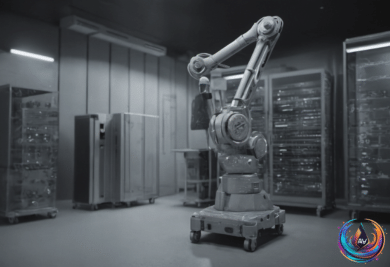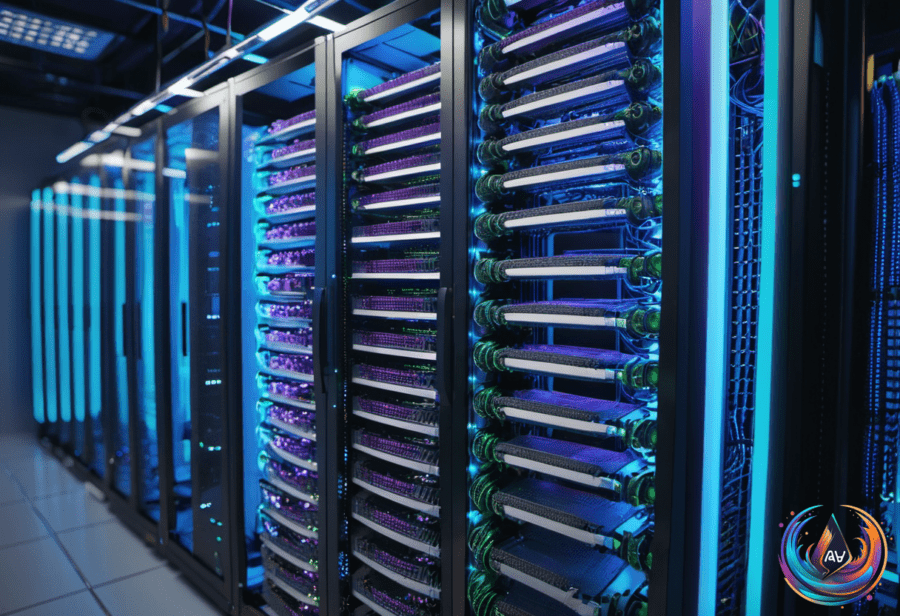
Meta is testing robots inside its data centers, giving machines jobs that have long belonged to human technicians. The robots can plug in cables, reset servers, and handle other tasks around the equipment, with the long-term goal of running data centers with fewer people.
The effort combines robots and related hardware from several vendors, including Watney Robotics, Kinova, and ABB. In one experiment, a Kinova Gen3 robotic arm could power cycle servers by cutting off their electricity, while another robot is being tested to swap networking cables.
That work points to a change in how Meta thinks about data center labor. A Meta data center worker estimates that, if the robot trials succeed, machines could replace up to 80 percent of some workers’ workloads. The same worker described the fear inside the company in blunt terms: “We thought those of us performing the physical tasks were safe for a while, but not anymore.”
From simple resets to complex repairs
Meta has already adopted a simple robot that presses the power button on devices to restart them. That task does not require a flexible robotic arm or advanced decision-making, but it shows how automation can begin with small, repeated actions and expand from there.
The company is also testing robots for work that demands more movement and control, such as changing networking cables and handling server power. Several startups are working on commercial robots that can assemble servers, swap parts, and replace wires, giving data center operators more options as the technology develops.
Robots were once expensive and sometimes damaged servers during trials. Hardware costs have since decreased, and AI models have become more capable, making the experiments easier to pursue. Eric Xu, Meta’s senior manager for robotics, said the company’s long-term goals include putting robots in data centers. “We believe more collaboration and research will be needed, but we have to start, otherwise we don’t have a chance to do this,” Xu said.
Supporters of the approach say robots could handle repetitive and dangerous work, leaving employees to focus on more complex challenges. Paul Golding, who oversees physical intelligence at Analog Devices, said more customers are asking to run data centers with humanoid robots because they can work at higher temperatures, in the dark, and in other conditions.
A labor debate inside Meta’s data centers
Meta is investing heavily in training and hiring workers to build and operate its data centers, even as it tests machines that may reduce the need for some of those roles. That tension is especially clear in Altoona, Iowa, where Meta operates its largest data center campus and employs hundreds of workers.
Meta opened the Altoona data center in 2014 and has a property tax break that allows it to save tens of millions of dollars each year. The campus represents the scale of the company’s physical infrastructure, while the robot trials raise questions about how that infrastructure will be staffed in the future.
Worker group chats at Meta have expressed concern that robots will replace human jobs. Those worries sit alongside a broader plan in which Meta is developing AI software and technologies that may allow it to hire lower-skilled, lower-paid workers and centralize roles in areas that offer greater financial advantages.
Francis Brennan framed the issue as a shortage rather than a surplus of labor: “America is in the middle of its biggest infrastructure boom since World War II, and there’s a major shortage of skilled workers to fill the roles; we need more workers, not fewer.”
That argument captures the difficult question behind Meta’s robot program. Automation could help cover jobs that are repetitive or dangerous, but it could also reduce the amount of human work attached to each data center. Meta’s experiments are testing not only whether robots can connect cables or restart servers, but also how much of the human workforce those machines might eventually replace.
For now, the program remains a test of hardware, software, and workplace roles. Meta is trying robots from several vendors, building more capable systems, and exploring tasks that range from pressing a power button to swapping networking cables. The company’s stated long-term direction is clear: robots belong inside its data centers, even as workers debate what that will mean for their jobs.
Based on