Tesla just flipped the switch on its Robotaxi service in Miami—and it’s doing it without a safety monitor onboard. Yes, you read that right. The electric car giant is now letting its cars roam West Miami streets fully driver-free. This marks the next bold step in Tesla’s push to revolutionize urban transportation.
Robotaxis Take Miami by Storm
Less than a year after launching its Robotaxi service in Austin, Texas, Tesla expanded to Miami with a groundbreaking twist. The Miami cars are running without a safety monitor riding shotgun. Tesla’s VP of AI software, Ashok Elluswamy, confirmed this on X, stating plainly, “Tesla is running the Miami cars without a safety monitor.”
That’s a big leap from Austin, where the Robotaxi service debuted in June 2025 with safety monitors sitting in the passenger seat. After initial testing, Tesla removed those monitors in Austin too. Now, Miami joins Austin in this full driverless experiment.
Tesla’s CEO Elon Musk has made no secret of the company’s ambition to roll out Robotaxis in a dozen states by the end of this year. Florida, Arizona, and Nevada are all on the radar for Tesla’s expanding urban fleets.
The Cybercab: A New Era for Autonomous Vehicles
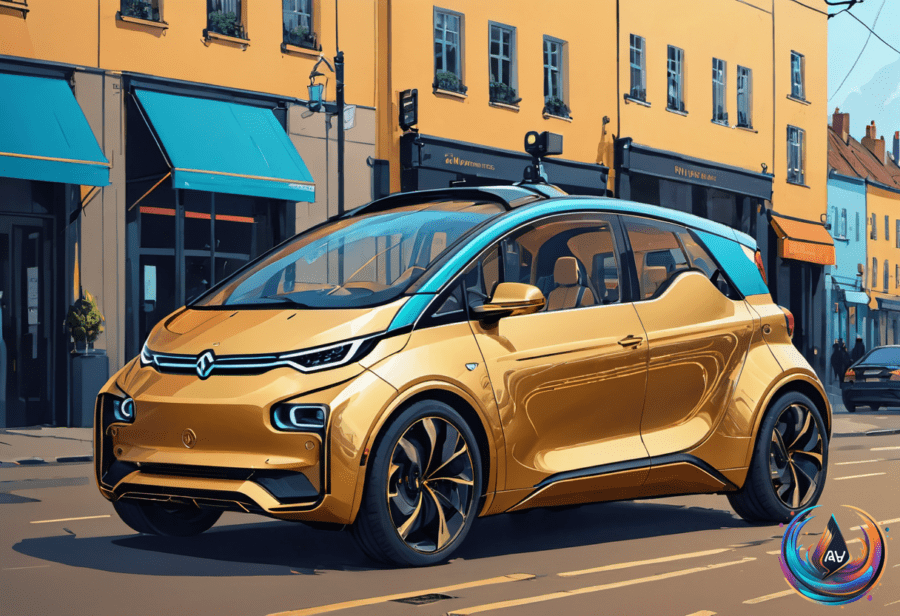
While Tesla’s Model Y SUVs have carried the first wave of Robotaxi testing, the company is also pushing boundaries with a new vehicle. Meet the Cybercab—a gold-colored, two-seater with zero pedals and no steering wheel. This radical design aims to be fully autonomous, built to operate without human input.
The Cybercab’s design was unveiled nearly two years ago, but full-scale testing only began recently. On June 30, 2026, Tesla kicked off Cybercab testing in Austin with safety monitors in the right passenger seat. These monitors supervise the ride while the car learns the ropes of driverless operation.
Before this, prototype Cybercabs equipped with steering wheels and pedals have been tested across various U.S. cities. These early tests helped refine software and hardware, preparing the Cybercab for full autonomy.
Speculation about Tesla’s robotaxi network surged when hundreds of Cybercabs began appearing in parking lots across several cities. This fleet buildup signals Tesla’s readiness to scale up its driverless service dramatically.
How Tesla’s Robotaxi Stacks Up Against Competitors
Tesla’s approach to autonomy stands apart. Unlike competitors like Waymo, which use lidar and radar sensors, Tesla relies solely on cameras for its driverless system. This camera-only strategy promises more control over costs and hardware by building both the cars and the driving software in-house.
Still, Tesla’s fully autonomous Robotaxi has yet to launch at scale. Their Austin network has seen minor crashes, with at least two caused by remote operators stepping in to correct issues. Waymo has also faced challenges, including crashes and struggles with highway driving, flooded roads, and school buses. Waymo’s vehicles can’t currently navigate highways and have been recalled for problems in construction zones and flood-prone areas.
Meanwhile, regulatory hurdles are shifting. Just last week, the National Highway Traffic Safety Administration proposed new rules that would not require brake pedals in vehicles designed exclusively for automated driving. This aligns with Tesla’s pedal-less Cybercab vision and could speed up the arrival of fully driverless vehicles on public roads.
The Road Ahead for Tesla’s Robotaxis
Tesla is charging forward with an aggressive rollout plan. Its Robotaxi service now operates in Miami and Austin and aims to cover a dozen states by year’s end. The company’s bold move to drop safety monitors sets a new standard in autonomous vehicle testing. Meanwhile, the Cybercab promises to redefine what a self-driving car can be with its minimalist, pedal-free design.
Will Tesla’s camera-based autonomy outpace sensor-heavy rivals? Can they scale fully driverless rides without safety monitors safely? The next few months will be critical for Tesla’s vision of a driverless, pedal-free future. One thing is clear: Tesla is shaping the future of urban travel right now—and it’s hard to look away.
Based on