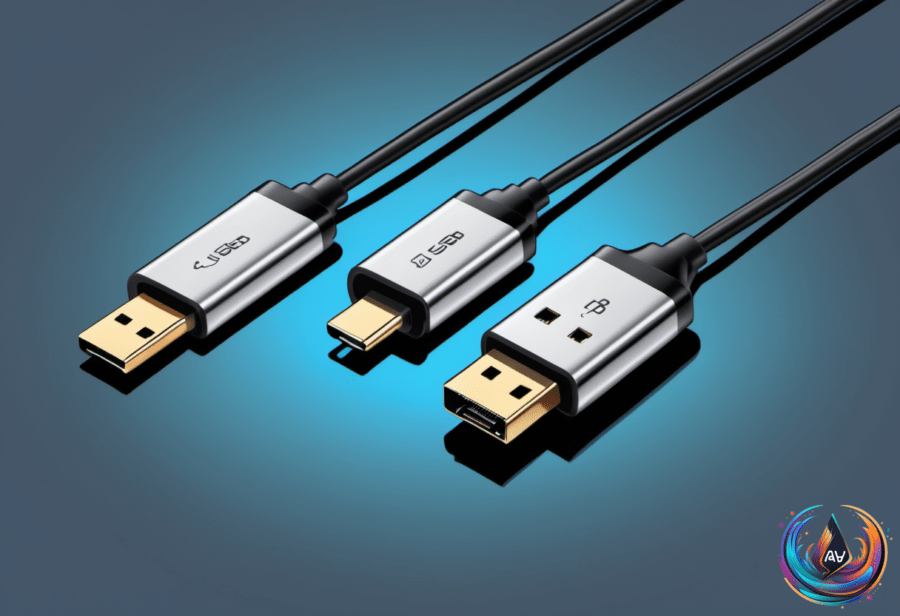
USB connectors have shaped how we connect gadgets for decades. You’ve probably seen USB-A on computers, older laptops, and chargers. It’s the classic rectangular port most of us know well. But USB-B, which looks quite different, never gained the same fame.
USB-B was introduced in 1996. It was designed to connect peripherals like printers and external hard drives to a host device. Unlike USB-A’s flat shape, USB-B has a squarish, broader connector. This design makes it sturdy and secure, which was important for devices that don’t move much once connected.
Despite its solid build, USB-B didn’t become as common in everyday gadgets. That’s because newer, smaller connectors arrived to serve compact devices better. Mini USB and micro-USB came after USB-B. They offered smaller, more convenient shapes for phones, cameras, and portable gadgets.
You can still find USB-B occasionally on modern devices. Printers and some musical equipment often use it. The connector’s shape keeps the connection stable, which is useful for peripherals that need a reliable link without frequent unplugging.
Why USB-C Took Over
USB-C came after all these versions. It supports much higher bandwidth, power delivery, and video output. This means a single USB-C cable can charge a laptop, transfer files fast, and connect to external displays. It even supports standards like USB4 and Thunderbolt.
This versatility made USB-C very popular. It works for almost anything, from smartphones to powerful computers. That flexibility left USB-B and older USB types looking outdated. Devices keep shrinking, and USB-C fits that trend perfectly.
Still Useful but Not Mainstream
USB-B’s secure design still has its place. Printers and musical gear benefit from a connection that won’t wiggle loose. But for most users, USB-B’s bulk and limited features don’t match what USB-C offers.
So, USB-B remains a niche connector. It’s reliable but not flexible enough for modern tech’s demands. USB-A is still around because lots of older devices use it. But USB-C is the future, combining speed, power, and ease in one small plug.
In the end, USB-B’s story shows how tech evolves. What works well for one purpose may not fit all needs. USB-B was great for its time but gave way to smaller, faster, and more versatile connectors. Still, it quietly holds its ground where stability counts most.
Based on
- Why USB-B never became as popular as USB-A or USB-C — engadget.com
- Infrared Tech Is Decades Old – Why Does Almost Every TV Remote Use It? — engadget.com
- Here’s What That Trash Can With An X Icon Means On Your Electronics — engadget.com
- What makes an RGB LED TV different, and where can you get one? – CBS Minnesota — cbsnews.com
- Your CD And Blu-Ray Collection Won’t Last Forever — engadget.com