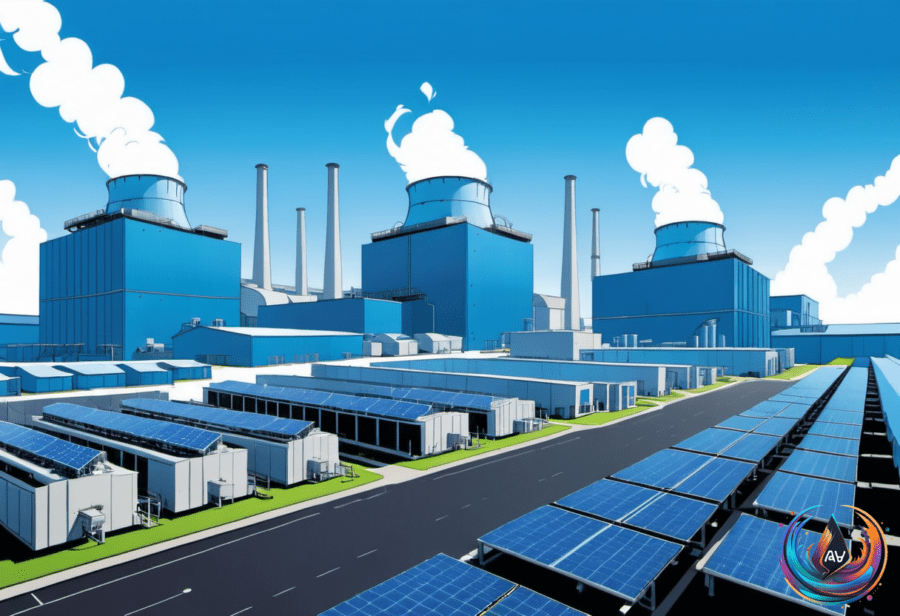
Microsoft’s carbon footprint jumped 25 percent in 2025. That’s a big leap in a single year. Why the surge? The answer lies in the company’s bold push to expand AI data center infrastructure. This growth is reshaping Microsoft’s environmental impact in real time.
AI Infrastructure Drives Emissions Higher
Microsoft’s 2026 environmental sustainability report, published on July 10, 2026, reveals the full picture for the 2025 fiscal year. The data is clear: carbon emissions hit 34 million metric tons in 2025, marking a 25 percent increase from the year before.
The main culprit? Rapid investments in AI data centers. These facilities demand huge amounts of energy to power their complex operations. Microsoft admits, “While AI infrastructure is driving demand for energy, water, land, and materials, sustainability solutions are not scaling fast enough to meet demand.”
This means the company’s AI growth outpaced the green tech needed to keep emissions in check. The surge underscores the massive energy appetite behind AI’s rising power.
Renewable Energy Shifts and Water Stewardship
Microsoft made a key change in February 2025. It stopped buying unbundled renewable energy certificates. These certificates verify renewable energy use but don’t directly fund new clean energy projects. Instead, Microsoft matched 100 percent of its annual global electricity consumption with renewable energy in 2025.
This approach signals a shift toward more direct and impactful renewable energy sourcing. It also reflects the company’s commitment to cleaner power despite rising emissions.
Water use is another critical factor. While exact Microsoft data isn’t listed, Amazon’s data centers used 2.5 billion gallons of water in 2025. Microsoft reported it replenished more water than it withdrew globally in 2025. This means Microsoft’s water management efforts outpaced consumption, a positive sign amid growing resource demands.
Carbon Negative by 2030: The Race Is On
Despite the emissions jump, Microsoft remains focused on a bold goal: becoming carbon negative by 2030. Melanie Nakagawa, Microsoft’s chief sustainability officer, states, “We continue to really be focused around carbon negativity by 2030.”
The company knows the path is tough. Rapid AI expansion pushes up emissions now. But Microsoft is betting on scaling sustainability solutions fast enough to reverse this trend.
This means investing in new technologies, improving energy efficiency, and pioneering new models for green power. The company’s 2025 report lays out the challenge and the ambition clearly.
What’s Next for Microsoft’s AI and Sustainability?
- Continued AI data center growth will keep energy demands high.
- Renewable energy sourcing will likely evolve to meet that demand with cleaner power.
- Water replenishment efforts set a standard for responsible resource use.
- Carbon negativity remains an urgent and driving target for the next five years.
Microsoft’s 25 percent emissions rise is a snapshot of a tech giant at a crossroads. The company is turbocharging AI capabilities but must solve massive sustainability puzzles fast. The world is watching how these challenges are tackled. Will Microsoft’s green goals keep pace with its AI ambitions? The next few years will be critical.
Based on
- Microsoft’s AI drive saw its carbon emissions grow by 25 percent in 2025 — engadget.com
- Microsoft’s emissions surged 25% in 2025 during data center boom | Fortune — fortune.com
- Microsoft’s carbon emissions went up 25 percent last year | The Verge — theverge.com
- Efforts underway to make data center companies pay for extra energy usage – CBS Pittsburgh — cbsnews.com
- This week in the big AI data center buildout. | The Verge — theverge.com