Nvidia is doubling down on AI infrastructure with a bold $1 billion investment in South Korea’s Naver. The deal, set for October 30, will give Nvidia a 4.5% stake in the company after Naver issues about 7.24 million new shares through a private placement.
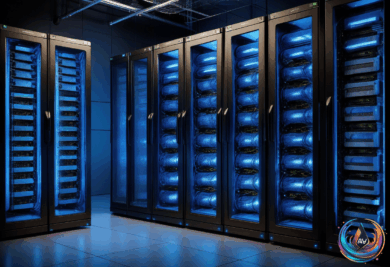
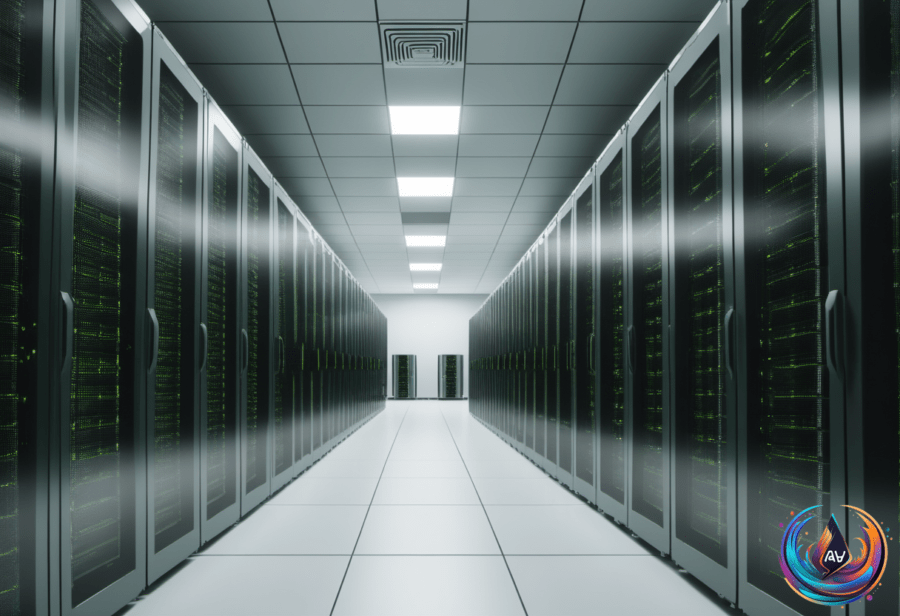
This move signals more than just capital flow. It marks a strategic partnership aimed at building massive AI compute factories. Naver plans to launch a 55-megawatt AI factory in the first half of 2027. The goal is to ramp up to 100 megawatts by year-end and reach 200 megawatts in 2028, all starting at their GAK Sejong data center.
Naver’s ambition doesn’t stop there. Their longer-term vision is gigawatt-scale infrastructure tailored to sovereign AI customers across the Asia-Pacific, Europe, and the Middle East. To prepare, Naver’s board voted on August 3 to retire roughly 4.9 million treasury shares valued at about $694.5 million, tightening their financial structure ahead of expansion.
This partnership also comes with software and customer collaboration. Nvidia’s CUDA, once untouchable, remains the backbone for AI tasks—from bug finding to orchestrating thousands of chips training models. While CUDA has faced competition, it still powers Nvidia’s edge in AI computing. Nvidia and Naver are discussing joint global AI factory projects, combining computing infrastructure, software, customers, and capital.
At a June 8 meeting in South Korea, Nvidia CEO Jensen Huang and Naver’s founder Lee Hae-jin signaled their commitment. Lee emphasized building an AI ecosystem that respects global diversity. Naver operates GPU infrastructure at more than 20 locations nationwide, setting a solid base for AI growth.
The AI ecosystem’s complexity is no secret. Nvidia sits at its center, involved in deals exceeding $750 billion, including talks with OpenAI. This exposure has driven up Nvidia’s credit risk in swaps markets and raised insurance costs on its debt. Yet, Nvidia’s software and hardware remain indispensable to the AI arms race.
Industry voices highlight that AI governance and trust remain critical. Mukesh Karki from NTT DATA AIVista stresses the need for tamper-resistant audit proof in AI processes. Mayank Upadhyay of Snowflake advises cautious trust-building with AI agents, treating them like interns under supervision. Governance must happen externally, Karki adds, to maintain control over AI agent actions.
Naver CEO Choi Soo-yeon calls Nvidia’s and Brookfield’s investments a turning point for the company’s growth. With Brookfield also discussing infrastructure financing, Naver’s AI ambitions look well-backed. The partnership aims to fuse capital and technology to push AI compute capacity to new heights.
Nvidia’s legacy in CUDA, created by executive Ian Buck, remains a key asset. CUDA enables chips to become AI building blocks. But the software’s monopoly is fading. Nvidia must now leverage strategic deals and massive infrastructure to defend its crown.
This alliance isn’t just about chips and code. It’s a calculated bet on dominating AI’s future computing landscape—starting in South Korea, stretching across continents, and powered by factories that could one day scale to gigawatts.
Based on
- How to Run Isolated Tenant Kubernetes Clusters on Shared GPU Infrastructure — developer.nvidia.com
- Nvidia’s CUDA Faces New Threats From AI Coding Agents – Business Insider — businessinsider.com
- Nvidia is making investors nervous. | The Verge — theverge.com
- Nvidia plans $1B investment in South Korea’s Naver – UPI.com — upi.com
- NTT DATA AIVista and Snowflake: Identity alone won’t secure enterprise AI agents | VentureBeat — venturebeat.com