Pathos AI just put a $3 billion price tag on artificial intelligence for cancer treatment. The New York City biotechnology company raised $237 million in Series E financing, with Bristol Myers Squibb leading the round and existing investors participating.
The investment gives Pathos AI a post-money valuation of approximately $3 billion. That is a substantial number for a company founded in 2022, though drug development has a habit of turning impressive funding announcements into long, expensive tests of patience.
Pathos AI was founded by Eric Lefkofsky and Ryan Fukushima, and Iker Huerga serves as its CEO. The company develops cancer treatments using artificial intelligence and patient data, with its proprietary Foundry platform at the center of that work.
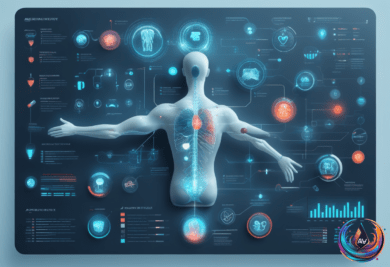
Foundry analyzes genomic information, medical records, and clinical outcomes. Those data sources help Pathos AI examine how cancer behaves across patients and identify treatment approaches tied to the biological details of a tumor rather than relying only on broad cancer categories.
From Patient Data to Clinical Development
Pathos AI focuses on precision medicine for patients with breast cancer, prostate cancer, lung cancer, multiple myeloma, and other solid tumors. Genetic differences can affect how a tumor responds to medicine, making patient selection and treatment design central problems for any company trying to move beyond one-size-fits-all oncology.
The company has expanded its portfolio to four active clinical assets and is moving several experimental cancer medicines through clinical development. Its programs cover different types of tumors and treatment approaches, while clinical studies are intended to assess their safety and effectiveness in patients.
That last step is where the polished promise of AI meets the less glamorous machinery of medicine. A platform can analyze genomic information and medical records, but clinical studies still have to show whether a treatment helps patients and whether its risks are acceptable.
Pathos AI’s financing arrives as the use of artificial intelligence in cancer research enters clinical testing across the industry. An October 2026 study published in Cancer Treatment Reviews identified 129 therapies developed with AI across 69 companies that had entered clinical trials by March 2026.
Cancer accounted for 57.3% of those therapies. The figure shows where AI-led drug development has concentrated, but it does not establish that artificial intelligence has solved the underlying challenges of cancer treatment—because, naturally, funding rounds do not count as clinical evidence.
AI’s Role Inside Cancer Trials
A 2026 review in Nature Reviews Clinical Oncology examined applications of AI in cancer trials. Those applications include identifying patients who may qualify for studies, reviewing medical records, and checking trial requirements.
These tasks matter because clinical trials depend on finding eligible patients, matching them with the right study, and confirming that their records meet the required conditions. AI can work across those information-heavy processes, while researchers and clinicians remain responsible for the clinical decisions and trial results.
Pathos AI’s Foundry platform connects that data work to the company’s own treatment programs. By combining genomic information, medical records, and clinical outcomes, the platform supports a development strategy built around differences between patients and tumors.
The Series E financing gives Pathos AI capital to advance its four active clinical assets and move additional experimental cancer medicines through development. Bristol Myers Squibb’s role as lead investor also places a major pharmaceutical company behind the company’s approach, alongside its existing investors.
For Pathos AI, the approximately $3 billion valuation reflects confidence in a platform, a growing pipeline, and a field that already accounts for more than half of AI-developed therapies entering clinical trials. The next measure will be less tidy: whether those programs prove safe and effective in patients.
Based on