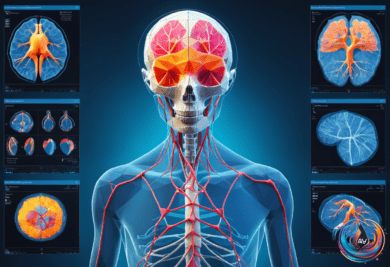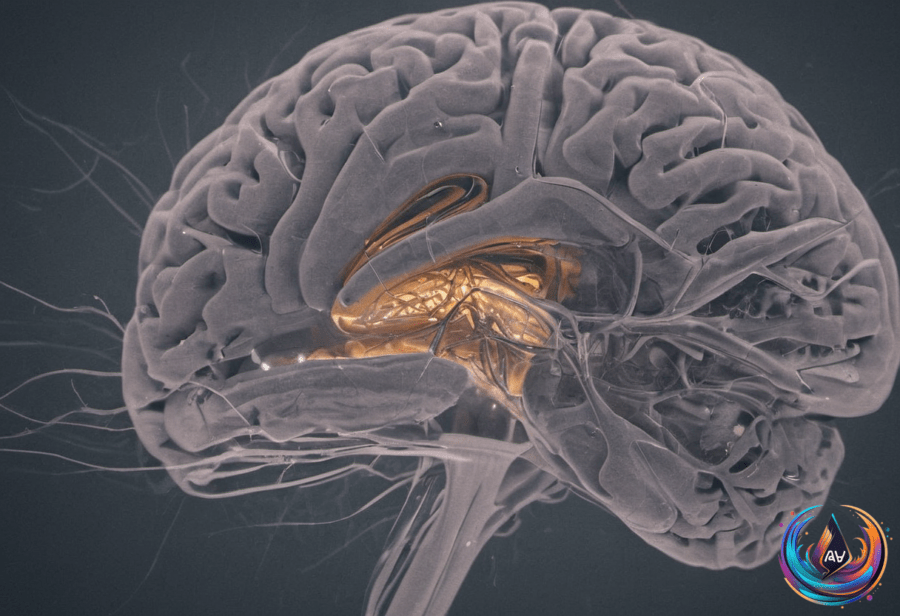
Hemispheric just dropped $52 million to turn brain signals into clear data. The startup emerged from stealth on July 16, 2026, with a bold plan: make brain measurement as routine as a blood test.
The brain remains the last major organ without objective diagnostics. Conditions like depression, PTSD, Parkinson’s, and early cognitive decline still rely on subjective questionnaires and behavioral observation. That’s a problem when brain health disorders cost the global economy $5 trillion every year, according to the World Economic Forum.
Hemispheric’s AI model, Descartes, was trained on over 250,000 hours of brain data. It aims to support diagnosis for PTSD, depression, and Alzheimer’s. The startup’s goal is straightforward—replace guesswork with data.
Co-founded by Hagai Lalazar, PhD, and Gidi Littwin, Hemispheric pulls serious tech pedigree. Littwin previously co-founded RealFace, a facial recognition company Apple acquired and folded into FaceID.
The $52 million funding round came from heavyweight investors including Hanaco Ventures, OneMind/Awareness Capital, Protocol Labs, and L Catterton. Angel investors like Howard Morgan, Naomi Azrieli, Yasmin Lukatz, and Scott Belsky also joined in.
Hemispheric’s ambition is clear: create the brain’s equivalent of a cholesterol panel. Most medical fields boast reliable quantitative tests. Neurology and psychiatry haven’t caught up yet. Patients with depression still fill out questionnaires. There’s no objective brain test to validate symptoms.
“Hemispheric is doing for the brain what genomics did for cancer: turning something historically unmeasurable into data that can be modeled, understood, and acted on.”
The AI in neurology market looks ripe. Valued at roughly $760 million in 2025, it’s projected to grow at 25% annually through the early 2030s. Hemispheric is positioning itself to lead that charge.
With this funding, Hemispheric will develop its non-invasive AI platform to decode brain activity. The startup bets on transforming neurology diagnostics from subjective art to quantitative science. If it succeeds, brain disorders might finally meet the measurement standards medicine demands.
Based on
- Hemispheric Raises $52M for Brain-Decoding AI Platform — justainews.com
- Neuron Connect Expands Access to Advanced Brain Health Technology Through Strategic Healthcare Partnerships | Currency News | Financial and Business News | Markets Insider — markets.businessinsider.com
- These Companies Just Dropped Major Growth Catalysts | AP News — apnews.com
- Pulse Security Debuts Operational Management Platform Built for Security Leaders | Currency News | Financial and Business News | Markets Insider — markets.businessinsider.com
- OpenAI is making its biggest play for the office | Business Insider Africa — africa.businessinsider.com