A 78-year-old Philadelphia woman has turned a delivery robot’s routine route into a public protest, and one sidewalk confrontation ended with handcuffs, a disorderly conduct citation, and a fight over who has the right to occupy public space. Carolyn Marvin says she plans to keep blocking the machines. “Oh yeah.”
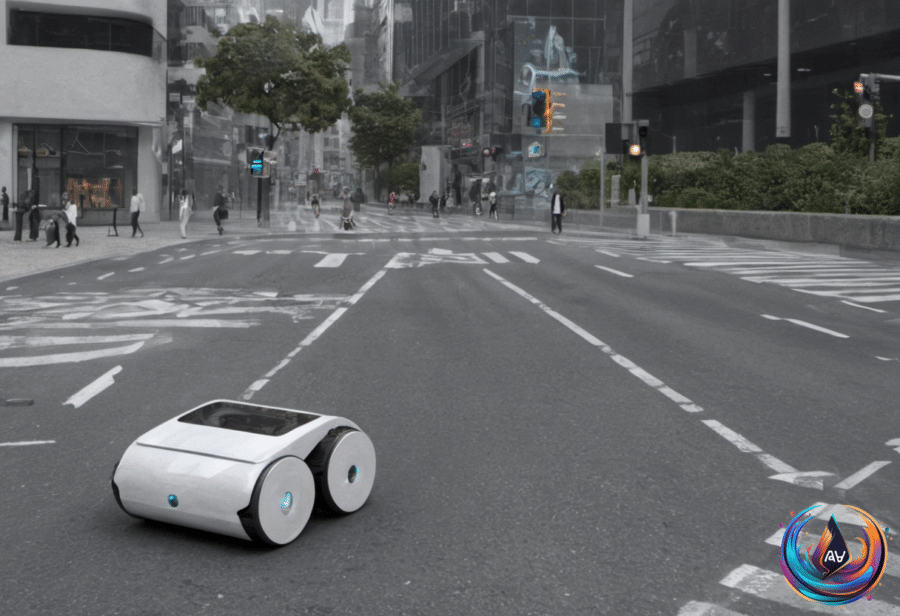
Marvin, a retired University of Pennsylvania communications professor, repeatedly steps into the path of Uber Eats delivery robots in downtown Philadelphia. She says the protests target job losses among delivery workers, sidewalk safety, and privacy risks created by cameras embedded in the machines.
A Flu Shot, a Robot, and a Crowd
Earlier this month, Marvin encountered a robot near the 1200 block of Filbert Street in Center City while returning home from a flu shot appointment. “I was coming back from my flu shot and I saw a robot,” she said. Since she had time, she stood in its path in a busy area until a crowd gathered and police were called.
Marvin said a spirited debate unfolded as people watched the standoff. Officers arrived after receiving a report of criminal mischief involving a robot. Police asked her to move, but she refused, saying, “no, it’s my first amendment to protest against corporations in the same public space the robots are occupying.”
According to Marvin, three officers approached her from behind, took the food from her hands, handcuffed her, and hustled her to a police car. She said she argued with them throughout the encounter and believed they hesitated because the situation involved new technology and a First Amendment argument.
Police issued Marvin a disorderly conduct citation, with the rationale that she was blocking a business. She is still waiting for a court hearing date and intends to contest the charges vigorously. “The wheels of justice grind slow, but I’ll go make my arguments,” she said.
When Pennsylvania Calls a Robot a Pedestrian
The confrontation raises an unusual question: when a machine travels on a sidewalk, what legal status does it have? Pennsylvania law classifies delivery robots as pedestrians, giving them many of the same rights and responsibilities as pedestrians under the state’s Vehicle Code.
Act 106 of 2020 officially identifies these autonomous delivery machines as personal delivery devices. The law also requires them to yield to actual pedestrians and cyclists, creating a rulebook for machines that share sidewalks with people.
Marvin said she believed she had more rights than the robot. “I was under the impression that I had more rights than the robot did,” she told interviewers with a laugh. Her arrest and citation put that belief against a law that gives the machines a recognized place in pedestrian spaces.
Marvin insists her actions cause limited disruption. She blocks a robot only when it is “convenient and possible” and when she has time. She said she might delay a machine for 10 to 15 minutes, suggesting the worst result could be an office worker’s lunchtime bowl arriving about 15 minutes late.
“I have a life, so I don’t have tons of time to stand in front of robots,” Marvin said. That limited time, though, has been enough to make her a local celebrity. Her protests have gone viral, and some Philadelphians dressed as Marvin and the robot for Halloween.
Sidewalks, Surveillance, and Corporate Power
Marvin’s campaign reaches beyond one delayed meal. She said delivery robots threaten jobs held by delivery workers, complicate sidewalk safety, and bring cameras into public spaces. Her argument is that the machines represent a wider shift in how corporations use streets and sidewalks.
“I also think that I have a First Amendment right to protest the abuses of corporations in public space, in the same public space that the robots are occupying,” Marvin said. She has previously protested for civil rights, abortion rights, Black Lives Matter, and against the Vietnam and Gulf wars.
“It’s what we need to do to make sure the government hears the will of the people,” she said. Marvin believes delivery robots have no place on sidewalks, warning that public areas should not become the next place where machines take control.
“There’s a way in which we’ve surrendered the streets to cars long ago, and I don’t think we should surrender the sidewalks to machines,” she said. “Machines in general encroach on our lives.”
She added that public space is the most visible place where machines are encroaching, while people interested in expanding that role are moving “right up the ladder.” The statement connects her sidewalk protest to a broader concern about technology entering daily life without enough public debate.
Marvin’s background gives the protest an extra layer. She wrote When Old Technologies Were New: Thinking About Electric Communication in the Late Nineteenth Century, became the first woman to receive tenure at the University of Pennsylvania’s Annenberg School in 1985, and now has an endowed chair named after her at the Ivy League university.
Now she is waiting for court while preparing to return to the sidewalk. The legal case will test how protest rights, business access, pedestrian rules, and autonomous machines fit together. For Marvin, the argument is already clear: public space belongs to people, and she intends to keep reminding Philadelphia every time a robot crosses her path.
Based on
- Standing in the way of slop bowls: the woman blocking food delivery robots — theguardian.com
- 78-year-old former college professor arrested for blocking delivery robot in protest | The Independent — independent.co.uk
- Retired professor was arrested for blocking a delivery robot — ctvnews.ca
- Scheduled bike boycott stirs controversy in Philadelphia — usatoday.com
- Why Philadelphia singles should resist arrest during cuffing season – Axios Philadelphia — axios.com