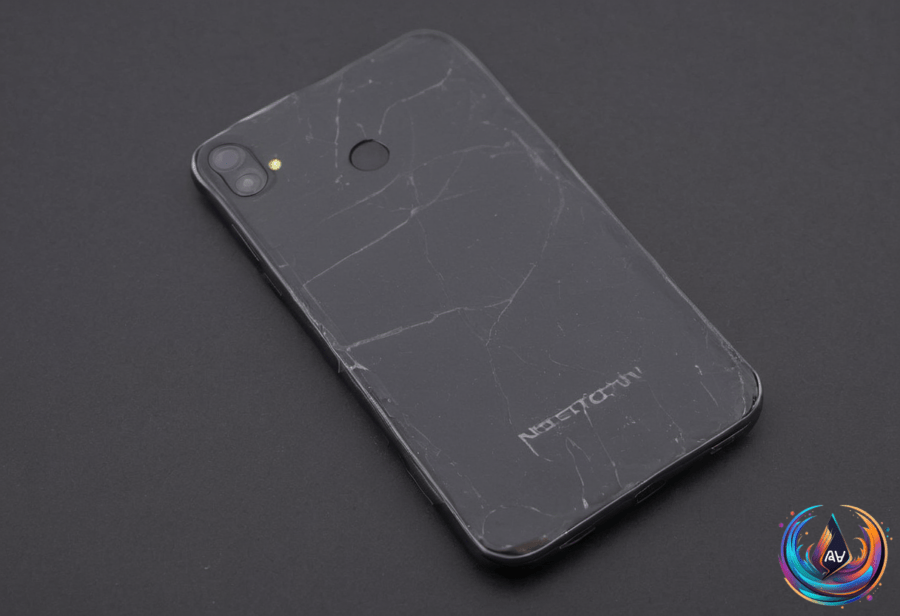
When a phone breaks, the choice often comes down to one question: does repair still make financial sense? Many flagship devices have crossed the $1,000 mark, while repairs can cost under $100 or reach a few hundred dollars. That gap makes a simple screen crack or weak battery harder to judge.
The best answer depends on the repair price, the phone’s current market value, how long you plan to keep it, and how the device performs. As Antony Terence put it, “The math doesn’t always math.” A clear set of comparisons can still make the decision easier.
When repairing your phone makes sense
A cracked screen or weak battery is worth repairing when the repair costs less than 30 percent of the phone’s current market value and you plan to keep the device for another year. This rule connects the price of the fix to what the phone is worth now, not what it cost when you bought it.
For example, a repair under $100 may make sense for a phone with a strong current market value. The same repair may look less appealing on an inexpensive device, especially when the bill reaches a few hundred dollars. Repairs that cost more than 30 percent of the phone’s current market value do not make much financial sense under this approach.
The type of problem matters too. A cracked screen and a weak battery are specific issues that can leave the rest of the phone useful. If the device still performs well and remains within the repair limit, fixing one of those parts can support another year of use without replacing the entire phone.
But a repair does not solve every reason to move on. Phones are best replaced when their performance becomes sluggish and the device is out of warranty. At that point, spending a large amount on a phone that already feels slow creates a weaker financial choice, even if one damaged part can be fixed.
Software support can change the calculation
A phone’s update life also affects how long repair makes sense. Most of Apple’s iPhones have received 5-7 years of software updates, giving owners a longer period in which a repair may extend the useful life of the device.
Samsung’s support promise depends on the phone family. Since the S24 lineup launched, Samsung has promised 7 years of the latest updates for its S and Z-series flagships. Cheaper A-series phones receive 3 years of updates instead.
That difference matters when comparing a repair with a replacement. A phone with a longer update period has more time ahead of it for a repair to be useful. A phone with a shorter update period may offer less value after a costly fix, especially when the device is already sluggish or out of warranty.
Replacing the phone can also make sense when you are considering a switch between hardware ecosystems. In that case, the decision is not only about a broken screen, battery health, or repair cost. The replacement reflects a change in the hardware system you use.
Storage is another reason to choose carefully
Storage capacity deserves attention when buying a replacement. Most new iPhones start at 256GB, but that space does not all remain available for photos, video, apps, and games. iOS itself takes up as much as 24GB right out of the box.
Photos can add up over time. A single photo takes roughly 3MB, while RAW photos can reach 50MB each. That means the storage needs of someone shooting RAW photos can rise much faster than the needs of someone taking standard photos.
Video creates an even larger demand. One minute of standard 4K video uses about 440MB. With Apple ProRes, one minute of 4K video can reach 6GB, turning a short recording into a major storage expense.
Apps and games also take space. Resident Evil 4 alone consumes over 30GB, which is more storage than many people expect from one game. Add that to iOS, photos, and video, and the starting capacity on a new phone can shrink faster than it first appears.
That makes storage part of the repair-or-replace decision. If the current phone still works but storage has become a problem, a replacement with enough capacity may solve an everyday limitation that a screen or battery repair cannot. If storage is not an issue and the phone remains responsive, a lower-cost repair may be the better choice.
The basic test is simple: compare the repair with 30 percent of the phone’s current market value, consider whether you will keep it for a year, and check its performance and update support. If the repair costs more, the phone feels sluggish, and it is out of warranty, replacement has the stronger case. If the problem is a screen or battery, the cost stays below that limit, and the phone still meets your needs, repair can remain the sensible option.
Based on