Dolby and DTS have long battled for home theater sound dominance. Dolby Digital arrived early in the home surround sound scene. Its goal was simple: bring theater-style audio to living rooms. DTS followed closely, aiming for the same. Both started as lossy formats, compressing sound to fit DVDs and early Blu-rays.
These early formats are now outdated. They still appear in many DVDs, streaming services, and cable broadcasts. Dolby Digital, also called AC-3, remains a standard choice for 5.1 surround sound, delivering compressed audio that fits lower bandwidths. DTS Digital Surround is also lossy but offers slightly better quality than Dolby Digital in its basic form.
Lossless Audio Formats for Audiophiles
When you want the best sound quality, look for lossless options. DTS-HD Master Audio and Dolby TrueHD are two lossless formats. They provide crystal-clear sound without compression artifacts. DTS-HD Master Audio streams at up to 24.5 Mbps with a sample rate of 96 kHz and 24 bits of depth. Dolby TrueHD maxes out at 18 Mbps. It supports 96 kHz at 24 bits for 8 channels or 192 kHz at 24 bits in a 6-channel setup.
Dolby TrueHD is the preferred format for high-fidelity sound in home setups. You’ll find it on UHD Blu-ray discs, often paired with Dolby Atmos tracks. DTS-HD Master Audio offers similar quality but is less widely supported on some devices. Support for DTS formats on modern TVs and streaming devices can be hit or miss.
Dolby Atmos and DTS:X: The Next Level of Sound
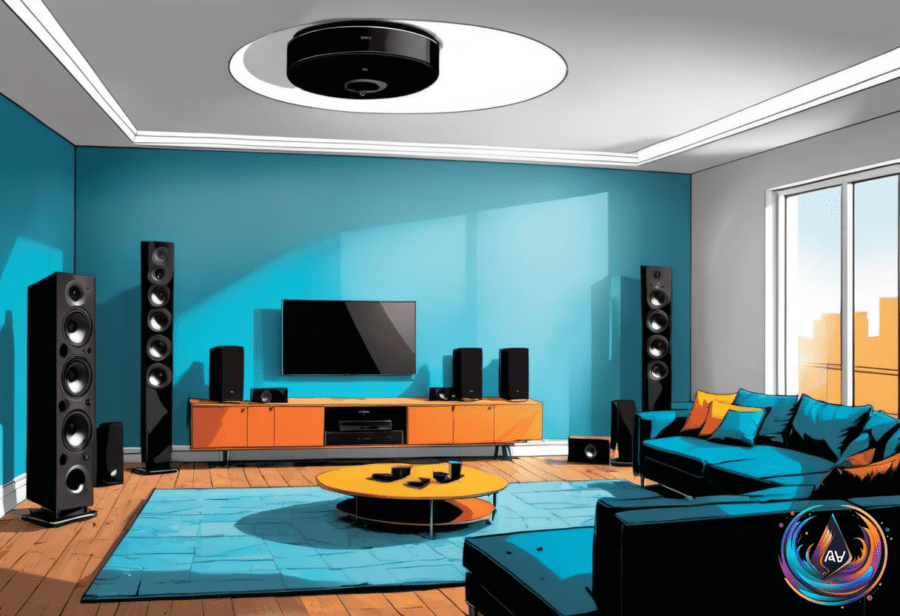
Dolby Atmos and DTS:X bring surround sound into three dimensions. Atmos is an object-based format. It can carry height information, like a helicopter flying overhead. This adds a new layer of immersion. To experience full Atmos, you need ceiling-mounted speakers or soundbars with up-firing drivers that bounce sound off the ceiling.
DTS:X takes a more flexible approach. It adapts to different speaker layouts and does not rely heavily on overhead speakers. It can mix down to typical 5.1 or 7.1 speaker setups, making it easier to use in rooms without ceiling speakers.
Dolby Atmos has strict technical demands. It requires specific speaker placement for full effect. Soundbars try to simulate height by bouncing audio off ceilings, but this is not as precise as real ceiling speakers. DTS:X runs on an open standard, allowing more adaptability. This makes DTS:X a good choice for varied home setups.
To get Atmos from a TV app, your TV must support HDMI eARC. You also need to set the TV’s audio output to “Auto” or “Passthrough.” This lets the original compressed format pass through to your receiver or soundbar. Without this setup, the TV might force stereo PCM output, losing surround sound and height effects.
Setting Up Your Home Theater Audio
Most TVs list audio options like 2.0, 3.1, or 5.1 channels. These numbers show how many speakers and subwoofers are active. Stereo (2.0) works on almost every device and is the default for many setups. Dolby Digital supports 2.0 and 5.1 channels, making it versatile for broadcast and streaming.
Choosing between PCM, Bitstream, or Passthrough on your TV matters. Bitstream and Passthrough send the original compressed audio to your receiver or soundbar. PCM sends uncompressed audio, often stereo. For the best surround experience, use Passthrough or Bitstream and pair it with equipment that decodes those formats.
HDMI ARC can send audio from your TV to a soundbar or receiver but has limited bandwidth. HDMI eARC solves this by supporting lossless surround sound and advanced Atmos tracks. This makes eARC the preferred option for future-proofing your home audio setup.
Once your system is stable, you won’t need to tweak settings often. Supporting new standards like eARC ensures your system stays current as audio technology advances.
Dolby Cinema takes these technologies further. It combines Dolby Atmos with custom theater acoustics and Dolby Vision HDR. This creates a premium cinematic experience not quite replicable at home. Still, home setups with TrueHD and Atmos can come very close to that immersive feeling.
In the end, Dolby Digital and DTS laid the groundwork for surround sound at home. Lossless formats like Dolby TrueHD and DTS-HD Master Audio raise the bar for sound quality. Dolby Atmos and DTS:X add height and spatial effects, changing how we experience audio. Your choice depends on your equipment, room, and how much immersion you want.
Based on
- The differences between Dolby Digital, DTS and Atmos (and which is better) — engadget.com
- Dolby TrueHD vs Dolby Atmos: The Ultimate Showdown | SoundScapeHQ — soundscapehq.com
- DTS Neural X vs Dolby Surround: Audio Comparison | SoundScapeHQ — soundscapehq.com
- Dolby Cinema Vs. Dolby Digital: Which Has The Best Audio Quality? — bgr.com
- A practical guide to TV audio formats: from stereo to Dolby Atmos without the jargon | Facam.org — facam.org