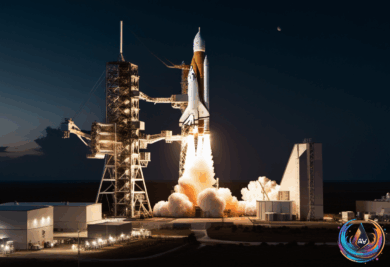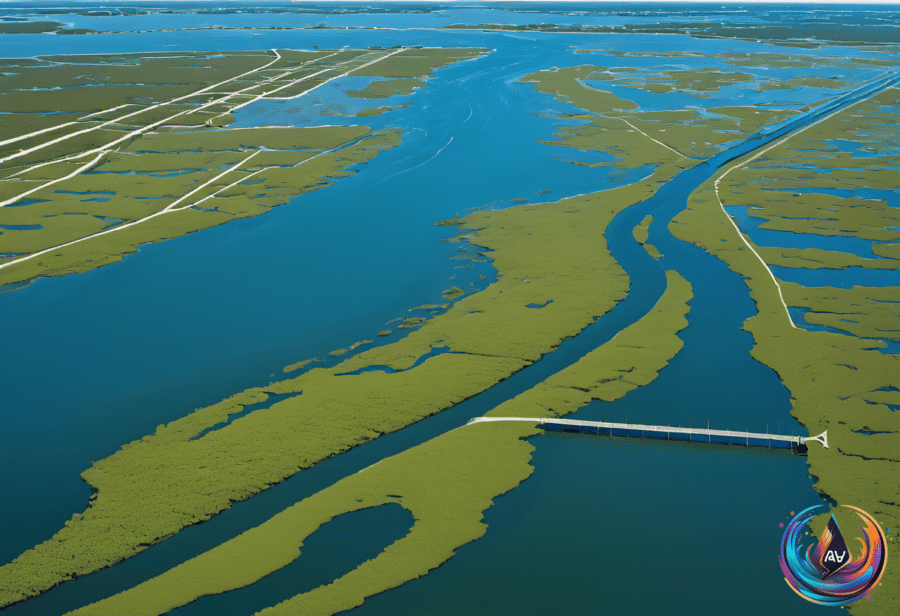
SpaceX is about to make a massive splash in southern Louisiana. The company is finalizing a deal to acquire roughly 130,000 acres of marshland along the Gulf of Mexico’s northern coast. This isn’t just any land—it’s an 18-mile stretch known as Pecan Island. And it’s about to become a critical hub for SpaceX’s Starship launches.
Why Louisiana? Why Now?
Louisiana Gov. Jeff Landry will announce the agreement later this month. The land became available through a legal settlement that resolved lawsuits blaming ExxonMobil for pollution and coastal land loss. SpaceX is seizing this rare chance to expand its launch footprint far beyond Texas.
The site offers major advantages for rocket launches. It sits just a few dozen miles south of the Henry Hub natural gas distribution hub. It provides deep-water access and proximity to the Intracoastal Waterway. Even better, it opens the door to polar orbital launches with a quick flight path over Mexico. That’s a big deal for flexibility in mission planning.
SpaceX shared, “It’s no secret that we intend to launch Starship a lot, targeting thousands of flights per year. That cadence will require the ability to launch from many different locations, so we are constantly exploring to find viable sites to expand Starship operations in the future, both domestically and internationally.”
What This Means for SpaceX and Beyond
This deal could reshape SpaceX’s launch capacity. The company already employs about 5,000 people in Brownsville, Texas, supporting up to 24,000 jobs directly and indirectly. Adding a Louisiana site will boost operations and create new opportunities for local economies.
The Louisiana project includes coastal restoration and marshland preservation. That’s a smart move given the environmental challenges tied to coastal land loss. SpaceX is not just grabbing land—they’re committing to protect it.
Meanwhile, SpaceX is riding a wave of big contracts. The US Space Force awarded them two task orders totaling $1.6 billion for 18 Falcon 9 launches. These launches must finish by the end of 2027, highlighting the military’s trust in SpaceX’s abilities.
Space Launch Industry Moves Fast
SpaceX isn’t alone in this rapid growth. Rocket Lab snagged a $266 million multi-launch contract with the US Space Force for 12 suborbital launches, with up to six more possible. Most of Rocket Lab’s launches deliver commercial satellites, but they also launched a Puma satellite in June 2023 for the Victus Haze military exercise less than 17 hours after the call-up. That’s lightning-fast readiness.
The Victus Haze exercise combined rapid satellite launches and orbital maneuvers in under 59 hours. True Anomaly’s Jackal satellite and Rocket Lab’s Puma satellite played key roles. The Jackal was originally planned for launch on Firefly Aerospace’s Alpha rocket but flew on a SpaceX Falcon 9 instead.
Other players are pushing boundaries too. Rocket Factory Augsburg paused to investigate a test failure with its RFA One rocket, delaying its August 10 launch window. MaiaSpace is skipping incremental tests and going straight for an orbital launch attempt in the second half of 2027.
Meanwhile, ArianeGroup recently completed a wet dress rehearsal for its Themis reusable booster demonstrator in Sweden. They used liquid nitrogen instead of the usual liquid oxygen and methane. Boeing’s CEO Kelly Ortberg announced the Starliner redesign is progressing well, with a launch possible this year.
Policy Changes Could Accelerate Launch Growth
The US Department of Transportation is proposing to exempt commercial space launch licensing from several environmental regulations. These include the National Environmental Policy Act, Endangered Species Act, Clean Water Act, and Clean Air Act. Transportation Secretary Sean Duffy said, “America won the first Space Race, and we can do it again, but only if we get government red tape out of the way.”
The Launch Future Is Taking Shape Now
SpaceX’s move into Louisiana signals a bold expansion. Starship ambitions demand more launch locations. Access to polar orbits and coastal marshlands with restoration efforts make this site unique. Coupled with Space Force contracts and industry-wide momentum, the space launch landscape is gearing up for a new era.
Will Louisiana become a key gateway for Starship flights? Can rapid launches like Rocket Lab’s become the norm? The next few years will show. One thing’s clear: Space exploration is accelerating, and SpaceX is sprinting ahead with new frontiers.
Based on
- SpaceX is set to acquire 130,000 acres of marshland in southern Louisiana — arstechnica.com
- Rocket Report: New launch rule may limit environmental regulations, Falcon 9 to hit Moon – Ars Technica — arstechnica.com
- Space Force-backed mission does its best impression of Top Gun in orbit – Ars Technica — arstechnica.com
- JFrog tries to spin OpenAI 0-day exploit of its app into a success story – Ars Technica — arstechnica.com