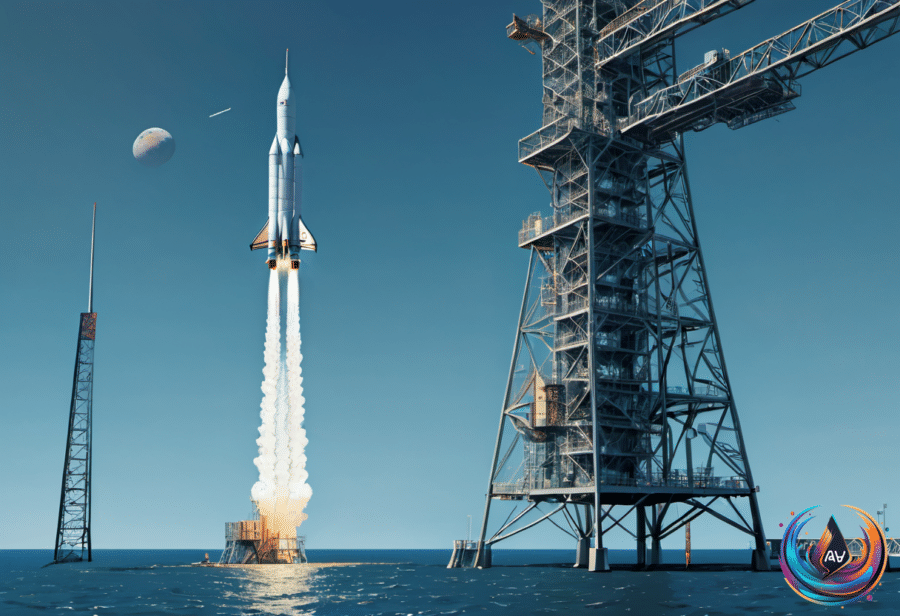
Starship reached orbit at last. SpaceX’s 14th flight achieved the milestone on September 28, 2026, after a launch from Starbase in Boca Chica, Texas. The mission deployed 26 Starlink V3 satellites, turning a long-running test program into something that finally behaved like an orbital system.
The launch occurred on July 24 at 8:49 a.m. EDT from SpaceX’s Starbase launch facility in South Texas. Clear skies and little wind made the weather ideal, prompting SpaceX spokesperson Dan Hout to declare, “Weather is gorgeous.” Even rockets with 31 engines can still find ways to make the day complicated.
An Orbital Milestone With Asterisk-Shaped Engine Trouble
Starship’s 14th flight was its first to reach orbit. The 120-meter (131-yard) rocket needed to reach about 28,000 km/hour and target an orbit altitude of roughly 275 km (171 miles).
One Raptor 3 engine shut down without warning during ascent, threatening the push toward orbit. Technicians relighted the engine for a final boost, and a launch team member soon announced, “Starship is orbital.”
The upper stage separated from the Super Heavy booster about 26 minutes into flight and reached orbit after a second burn. Satellite deployment began minutes later, with the upper stage set to orbit Earth several times and release all 26 Starlink satellites during a mission expected to last about 10 hours.
The booster also completed its return phase, though not without another engine problem. Booster 21, the Super Heavy first stage, splashed down off the coast of Boca Chica in the Gulf of Mexico after ice prevented two of its 31 engines from reigniting during the return burn.
Why This Flight Matters For SpaceX
SpaceX began flying Starship in full configuration in 2023, but previous tests ended in explosions, including one over the Caribbean. Reaching orbit gives the program its first clear proof that the complete vehicle can perform the central task required for future missions.
That task is not limited to placing satellites in orbit. The milestone supports SpaceX’s future plans for trips to the Moon and Mars, both of which require a vehicle capable of surviving launch, reaching orbit, and managing multiple burns without turning the flight into an expensive fireworks display.
The achievement also gives SpaceX a working orbital platform for the Starlink V3 deployment. Sending 26 satellites into orbit during the same mission connects Starship’s test objectives with an operational use, even if the vehicle still has to prove that engine problems and recovery challenges are manageable.
The mission’s timeline carries an awkward detail: the launch is listed as July 24, while Starship’s first orbital milestone is dated September 28, 2026. Taken together, the record marks the flight as a long-awaited transition from repeated test failures to orbital performance.
For SpaceX, that transition matters more than the celebratory line from the launch team. Starship is no longer only a giant vehicle that can leave the ground; it has now reached the orbit needed for satellite deployment and the larger lunar and Martian ambitions built around it.
Based on