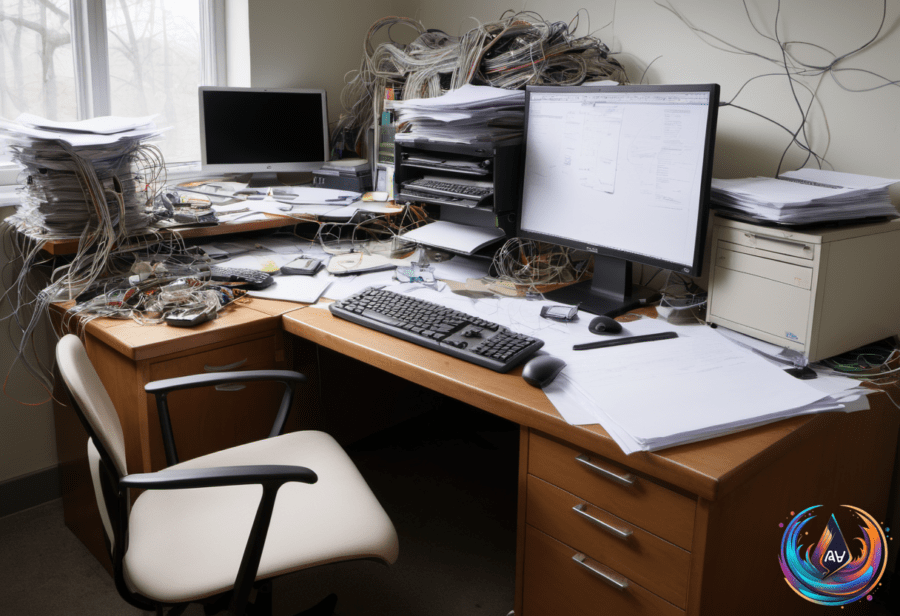
AI promised to make work easier. To cut down boring tasks and boost productivity. But the reality? Employees say it’s a mess. A slop-filled nightmare that drags them down. Nearly two-thirds of workers now long for the simpler days before AI invaded their workflows.
AI’s Productivity Promise Falls Flat
Workers hoped AI would be their secret weapon. Instead, 42 percent say they spend more time checking AI’s output than saving time using it. Nearly half report that poor-quality AI results slow down projects instead of speeding them up. Imagine that—technology designed to help, but it drags progress to a crawl.
Almost half of the workforce feels their jobs have become more repetitive and less meaningful since AI tools entered. The monotony is crushing their motivation. And it’s not just frustration. Over a third of employees say they don’t even understand why AI was forced on them at all. It feels like a puzzle with no answer.
Fear and Burnout Rise as AI Takes Over
There’s a shadow behind these struggles. More than half—54 percent—fear that AI will cost them their jobs within five years. Job security feels shaky. Anxiety runs high. It’s a cloud hanging over workplaces everywhere.
This stress hits startup founders hard too. Many who seek mental strength coaching say they are less productive and emotionally drained compared to a year ago. One coach puts it simply: “I’ve never felt more burned out than since I started using AI.” The pressure isn’t just about work. It’s about mental health too.
The Strange New Norm: AI Over Humans
AI is supposed to replace boring tasks like cleaning spreadsheets or reformatting slides. That’s true. But here’s a twist: 75 percent of employees now ask AI questions instead of turning to colleagues. That’s a seismic shift in workplace communication. It changes how teams interact and collaborate.
Despite these challenges, over a third of workers say they would delete generative AI tools completely if they could. The tech that once seemed like a dream now feels like a burden. The “AI slop” is too thick to handle.
What’s Next for AI in Work?
AI’s promise clashes with reality. It can clear repetitive tasks but also creates new problems. Poor output, lost time, job fears, and burnout all pile up. The question is: how do workplaces fix this?
One thing is clear: employees want clarity on why AI is used and how it benefits them. They want tools that work, not extra hurdles. They want mental health supported, not drained. AI needs to become a true partner, not another source of stress.
The future of work depends on balancing AI’s power with human needs. Can companies listen and adapt? Can AI evolve beyond slop into a real asset? The answer will shape work for years to come.
Based on
- Employees Long for the Days Before the Workplace Filled Up With AI Slop — futurism.com
- How to Combat AI Burnout, From a Mental Strength Coach – Business Insider — businessinsider.com
- Advanced AI is showing signs of laziness. That’s a problem for companies betting on AI agents. | Fortune — fortune.com
- The workplace advantage that matter most in the age of AI — usatoday.com
- 75% of workers ask AI questions instead of colleagues – with potentially serious consequences | ZDNET — zdnet.com