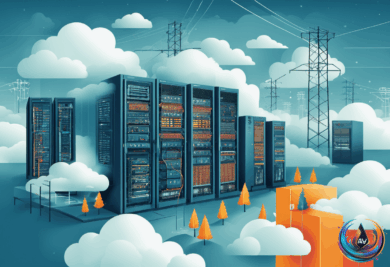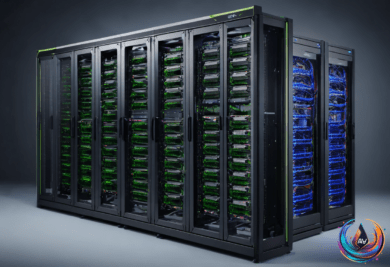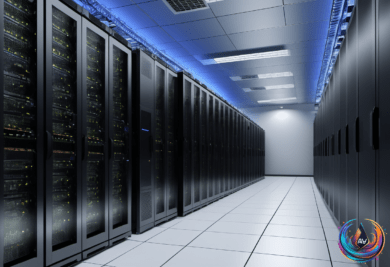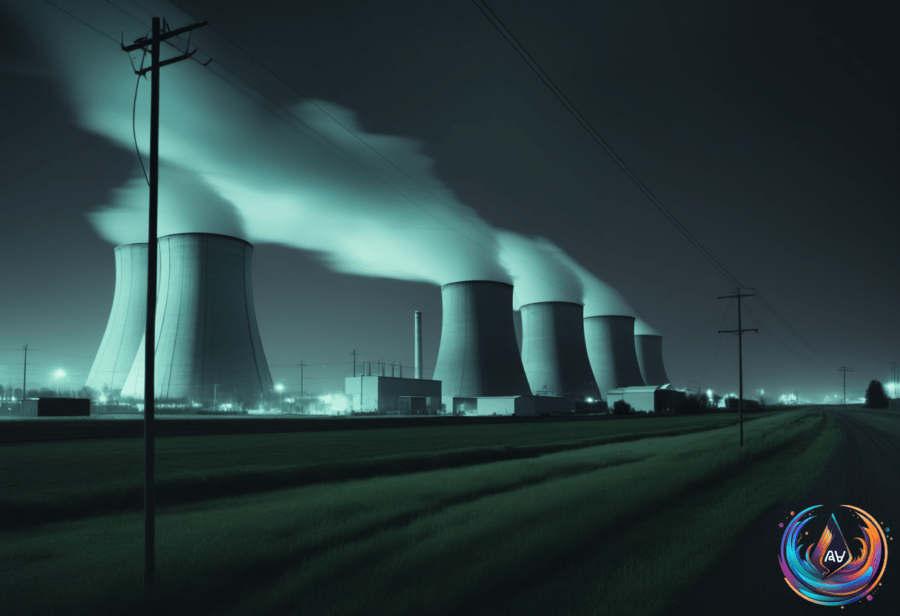
Data centers are booming. But guess what? Communities are pushing back hard. It’s a nationwide revolt that’s shaking the tech world to its core.
From Michigan to California, towns and cities are slamming the brakes on these massive computer warehouses. Why? Because these facilities guzzle power, swallow water, and crank out noise. People don’t want giant data centers in their backyards. And they’re making their voices heard loud and clear.
Why Are Data Centers Under Fire?
Data centers power everything from your favorite apps to cutting-edge AI systems. The AI explosion demands more space and resources, sparking a surge in new projects. Nearly 3,000 data centers are underway across the U.S., with hotspots like Virginia, Texas, Georgia, and California leading the pack.
But the environmental and social impact is huge. These buildings need massive amounts of electricity to run servers 24/7. They also require millions of gallons of water for cooling. Nearby residents face constant noise pollution and rising utility bills. Suddenly, what looked like economic opportunity feels like a threat to quality of life.
That’s why local opposition is growing fast. People are organizing petitions, attending packed town halls, and even pushing for moratoriums and outright bans. This isn’t just a small protest — it’s a coordinated movement crossing political lines.
Communities Take Control
At least 69 U.S. jurisdictions have restricted or banned new data centers, and four bans are permanent. Local leaders are rewriting zoning laws and passing moratoriums before projects even land on their desks. They want to decide how this tech boom affects their neighborhoods.
Here are some eye-opening examples:
- Michigan: After a $1.2 billion data center backed by OpenAI and Oracle was greenlit despite fierce opposition, neighboring towns rushed to stop similar projects.
- South Carolina: Colleton County paused construction for six months to protect wetlands from an 800-acre data center project. The developers previously failed to build in Georgia due to opposition.
- Wisconsin: Microsoft scrapped plans after 2,000 locals signed a petition opposing rezoning. Residents said they were shut out from early talks.
- Denver, Colorado: The city passed a one-year moratorium and is studying data center impacts on environment and AI’s societal role. Council members apologized for permitting projects without proper scrutiny.
- California: Small cities like Calipatria froze new high-energy data centers for five years to prepare better rules.
- St. Charles, Illinois: Converted a temporary moratorium into a full ban after public outcry.
Opposition isn’t just about rejecting tech. It’s about trust, transparency, and fair burden sharing. Residents demand clear answers on who pays for rising energy and water costs. They want their voices included early in the process. They want safeguards before saying “yes.”
The Energy and Water Crunch
The heart of the fight is resources. Data centers consume huge power. States like Georgia, New York, and Oklahoma are proposing pauses to study energy grid impacts. Virginia, home to nearly 500 planned centers, is conditioning approvals on meeting strict power requirements.
Water use sparks fierce debates too. Communities worry about drying up wells and stressing lakes and rivers. Some studies show data centers use water at rates comparable to office buildings, but that doesn’t ease fears. In Illinois, questions swirl around Lake Michigan’s water allocation. In Utah, a controversial project faced backlash over energy and water concerns.
Utilities and regulators face a challenge: how to support tech growth while protecting residents. Some data centers are fighting back with on-site power plants and water rights arrangements. But trust is fragile.
What’s at Stake for AI and Tech?
This backlash threatens more than local peace. It risks slowing the AI revolution. Data centers are the backbone of AI computing. Without them, innovation stalls. The U.S. competes globally against countries like China that are investing heavily in infrastructure.
Yet this isn’t a simple “tech vs. community” battle. It’s a wake-up call for the industry to rethink growth strategies. Transparency and early community engagement are now must-haves. Developers face well-organized opposition groups sharing tactics nationwide. They can’t bulldoze projects anymore.
Tech giants have already lost projects worth over $100 billion due to protests. The fight is bipartisan and fierce. New initiatives are tracking AI deployment and pushing for responsible practices. Regulation conversations are heating up at city halls and state legislatures.
Where Do We Go From Here?
The data center showdown is just beginning. It’s reshaping how tech infrastructure gets built and governed. Communities want progress that respects environment and quality of life. They want accountable developers and smarter policies.
The industry must build trust and craft solutions that work for everyone. That means smarter energy use, transparent water management, and real community input. It means balancing rapid AI innovation with sustainable growth.
This moment could spark not only new rules but new ideas. Innovation in technology, yes — but also innovation in how we govern and grow.
The question is: will the tech world listen before more gates slam shut? The future of AI depends on it.
Based on
- An Incomplete List of Successful Anti-Data Center Legislation — 404media.co
- 11 U.S. States Restricting Data Centers: What’s the Impact? (AI Week Special) (2026) — davisdeejays.com
- Data center opposition poses a significant risk to the country’s artificial intelligence development. — medianewssource.com
- Zoning In – Milldam Public Relations — milldampr.com
- Australian National Review – 69 US Jurisdictions have Now Blocked New Data Centers — anr.news
- – Data center protests in the U.S. stall $100 billion in projects — cmio.org