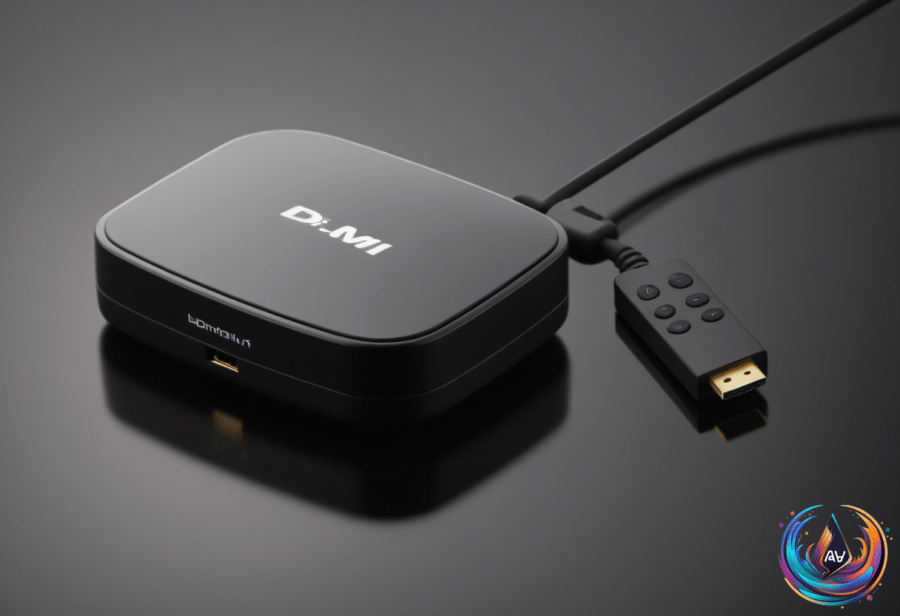
Smart TVs and standalone devices such as Roku, Fire TV Stick, and Chromecast do the same basic job: they let you watch services such as Netflix, Disney+, and Hulu. That makes the extra device seem unnecessary. As Lawrence Bonk put it, “Don’t they do the same thing?”
Here is the catch: the television and the streaming device may offer the same services, but they do not always deliver the same experience. Adding a streaming device can keep an aging smart TV useful, make menus feel faster, and give you a backup when the television’s software starts to crash.
Why a separate streaming device can help
Smart TVs vary in speed because their internal processors and software versions are different. A newer television may move through apps with little trouble, while an older model can take longer to respond or develop software problems as it ages. Modern smart TVs can crash or bug out, turning a simple night of streaming into a fight with the built-in system.
A dedicated streaming device gives you another way to watch content without relying on the television’s built-in software. If the smart TV crashes, the separate device can solve the problem by taking over the streaming work. Replacing that device later also costs less than replacing the entire TV.
The difference comes down to what each processor must handle. A smart TV processor manages streaming along with other television tasks, and those demands can cause hiccups when the available RAM reaches its limit. A dedicated streaming device only handles streaming, which helps keep its interface snappy.
Software support also changes the calculation. Smart TV support diminishes after several years, and the operating system can become slower and less reliable. A streaming box or dongle can restore access to software support without the price of a brand-new TV. As the supplied explanation puts it, “Getting a streaming box or dongle is a cost-effective way to get around the loss of regular software updates, particularly when compared to the price of a brand-new TV.”
More features, fewer compromises
Ads are another reason some viewers may prefer a separate device. Many smart TVs show ads, including televisions from Samsung, Amazon, Roku, and TCL. Some streaming devices, including Apple TV and Raspberry Pi, do not include ads.
Streaming devices can also offer features that a television’s built-in system may not provide. Some streaming boxes support content uploads, integrated storage, and buttons that help locate a remote control. Many modern streaming devices can play live TV through web-based subscription services, so they are not limited to on-demand apps.
There are choices for different kinds of viewers. NVIDIA Shield devices are suitable for gaming, while streaming dongles are lightweight and portable. A dongle can move between televisions or fit into a travel bag, giving one device more than one place to work.
That flexibility does not mean everyone needs one. A newer smart TV may already offer the apps and speed a household wants. But a separate device becomes a practical upgrade when the television’s operating system slows down, loses software support, shows unwanted ads, or crashes during streaming.
Why a Roku may turn off by itself
Roku devices have a feature called auto power saving that turns the device off after 20 minutes of no interaction. The setting applies to specific models: Roku Express 4K, model 3940; Roku Express 4K+, model 3941; Roku Streaming Stick 4K, model 3820; Roku Streaming Stick 4K+, model 3821; Roku 4, model 4400; Roku Ultra, models 4800, 4802, and 4850; and Roku Ultra LT, model 4801.
“The culprit is likely the device’s auto power saving feature. With this setting turned on, your Roku will enter a low power mode after 20 minutes when you’re not streaming content or otherwise controlling it.”
To disable the feature on a supported Roku, open Settings > Power > Auto power savings. Then uncheck the box next to “After 20 minutes of no interaction.” That should prevent the automatic power-saving behavior from turning the device off.
If the Roku still turns off, check the power source, HDMI connections, and remote batteries. The television’s power-saving features can also affect what happens. HDMI-CEC settings on the TV or other connected devices may cause the television to turn off, so those settings deserve a check as well.
A smart TV remains a convenient all-in-one option, but it does not have to be the only one. A separate streaming device can extend the useful life of an older television, keep streaming available after a crash, and add features without requiring a new screen.
Based on