Ukraine is turning battlefield footage into an AI resource. The country has begun making millions of data points gathered during tens of thousands of drone flights available to military contractors and commercial companies, creating a marketplace built from combat records rather than laboratory tests.
More than 100 companies and the UK government have gained access to Ukrainian drone data. In January, Ukraine’s Ministry of Defense announced that it would make the data available, opening a pipeline from active warfare to military technology and commercial AI development.
Battlefield data gives AI companies something laboratories cannot produce: large volumes of machine experience gathered under extreme conditions. Companies can spend years and enormous sums trying to capture enough exceptional moments in war to make their models more robust. Ukraine already has those moments in its flight records.
Combat footage becomes training material
Processed drone data is turned into training sets for AI models, making combat a commercial asset. Enabled Intelligence, an American company processing drone data for AI training, has made more than half a million hours of Ukrainian drone footage available for that purpose.
Many conflicts have already seen drone footage feed later generations of military technology. The Ukrainian data pipeline pushes that process into a larger market, where systems trained on battlefield records can move beyond defense work and enter civilian industries.
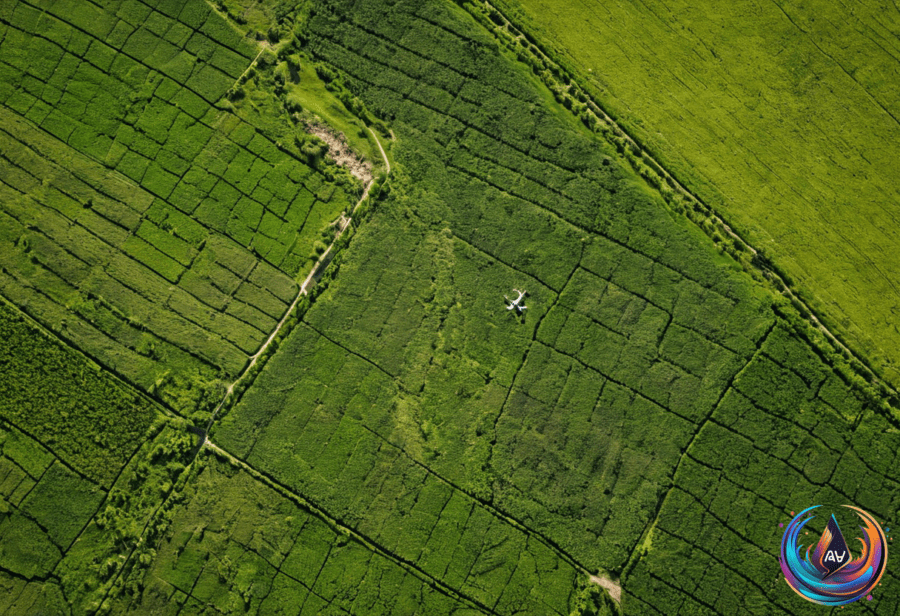
Drones trained in Ukraine are now being deployed in agriculture to help farmers map and survey fields. The transition is clean on paper: battlefield footage becomes machine training, and machine training becomes a tool for farming. The people and events inside the original footage do not get a similarly clean exit.
Soldiers and civilians appearing in battlefield data did not consent to having their data used to train models or create commercial products. Soldiers cannot consent to having their experience used as training data for AI models, and battlefield data should not be treated as ordinary commercial material.
A regulatory gap with real consequences
Existing laws regulate how militaries may conduct war, but they say almost nothing about using combat records as data for civilian markets. No current agency or regulator has jurisdiction over battlefield data used in civilian AI models, leaving the material without a clear legal owner or oversight system.
Ukraine’s Avengers Labs program offers one way to manage access: companies can train models on battlefield data without direct access to sensitive databases. That limits exposure to the underlying records, but it does not resolve the larger question of whether people in those records should become inputs to commercial systems at all.
Cory Alpert, a researcher at the University of Melbourne studying AI’s impact on democracy, has argued that governments should require disclosure when models trained on wartime material are incorporated into civilian products. That disclosure would at least make the chain visible—from combat footage, to training set, to model, to product.
The need for a traceable system extends beyond disclosure. A regulatory framework is needed to track battlefield data from combat to commercial product, with rules that recognize its origin and the rights of the soldiers and civilians represented in it.
The scale of data-driven commercial expansion is not unique to AI. Americans installed just over 7 million square meters of synthetic turf in 2001; by 2024, that figure had reached 79 million square meters. The comparison does not solve the policy problem, but it shows how quickly a material can move from a specialized use into ordinary markets once supply and demand align.
Rep. Greg Casar put the imbalance plainly: Despite its potential deadly consequences, cutting-edge AI technology is less regulated than the average food truck. That must change.
Battlefield data makes that warning concrete, because its commercial value depends on records created by war and repurposed without consent.
Ukraine’s drone data may help build stronger military and civilian AI systems. It also exposes a basic failure in the rules: technology can carry combat experience into everyday products before anyone decides who must account for that journey.
Based on