What if a concert could bring a living artist who no longer tours back to the stage—or recreate a performance from a musician who has died? UK music tech startup Unit1 has secured $20m, near-£15m, to build digital avatars that can perform inside live shows alongside real musicians.
The ambition reaches beyond a single virtual venue. Unit1 wants to create concerts that blend physical performers with “hyper realistic” digital avatars, giving audiences a live event that can travel across countries without moving one production from place to place.
A New Route Beyond the Dedicated Concert Venue
Unit1 hopes to offer a cheaper version of shows such as Abba Voyage, the virtual concert launched in 2022 for the Swedish pop group. That production runs in a purpose-built venue in east London, but Unit1 wants its own technology to work in several locations at the same time.
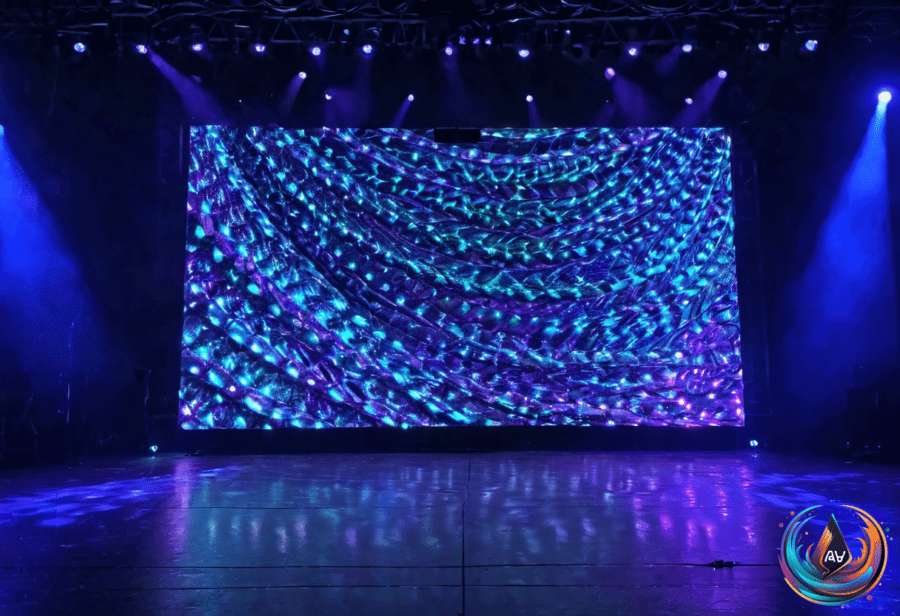
Its plan is to stage shows with real musicians playing live instruments beside digital avatars. Audiences would watch a high-definition LED screen while lights, sound, and props build the illusion of a fully human performance. The result aims to merge the energy of a live band with the flexibility of a digital performer.
Barney Wragg, founder of Unit1, described the experience as a bridge between the physical stage and the digital image. “For the audience member in the room it is seamless between the digital and the physical room, immersing them,” he said.
He also framed the concept as a way to move audiences through music history: “It’s a teleportation of an audience member to a time and place.”
That idea gives Unit1 a broad target. The startup hopes to feature living artists who are no longer touring, while also recreating existing performances from dead musicians. A show could bring together artists from different periods, with digital performers appearing in venues that do not need a permanent installation.
Testing the Technology With KT Tunstall
Unit1 has already tested its technology with Scottish singer-songwriter and musician KT Tunstall. In the pilot, motion capture cameras filmed Tunstall in a London studio as she recreated a performance from Later… with Jools Holland.
The company then updated her features to match her current appearance. The test points to the detail Unit1 wants to bring to its avatars: not only a digital body on a screen, but a performance built from movement, appearance, and a specific moment in an artist’s career.
For dead musicians, the process will use a mixture of archive footage and actors and musicians who either look or play like the departed star. Unit1 will blend that footage together as it develops the avatar and recreates the performance.
That approach places the company inside a creative and technical challenge. It must capture the feel of an existing performance while building a version that can appear within a new concert format. The work also reaches into rights, approvals, and the history surrounding each artist.
Funding the Technology—and Facing the Hard Questions
Unit1 secured the $20m from a group of investors, including tech backer Balderton Capital through its partner Daniel Waterhouse. The startup will put the funding into research and development, securing intellectual property, and licensing deals with artists and their estates.
Those agreements matter because digital resurrection can trigger strong reactions from fans. The concept of creating avatars of stars has been explored before, including the 2012 hologram projection of Tupac Shakur at Coachella, but audiences remain uneasy about bringing dead musicians back in digital form.
A plan to create a lifesize AI-powered avatar of Ozzy Osbourne, the late Black Sabbath frontman, drew criticism from some fans who called the idea disrespectful and in poor taste. The response shows the line Unit1 must navigate: a digital show can preserve a performance, but it can also raise questions about consent, legacy, and who controls an artist’s image.
Wragg said the startup was dealing with family members of estates to create well-documented and understood performances. He also said Unit1 was mindful not to be distasteful.
That focus on estates and licensing will shape which artists reach the stage and how their performances take form. The company’s technology may open new doors for music, but trust will determine whether audiences walk through them.
Unit1’s $20m investment gives the startup room to develop the production system, test more performances, and secure the rights needed for future shows. Its larger bet is clear: live music does not have to choose between a real performer and a digital one. The next concert experience could place both on the same stage, then send that stage around the world.
Based on