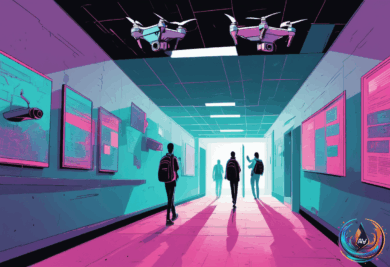
Facial recognition software promises fast justice. But sometimes, it delivers the opposite. Two recent cases in Florida expose how this technology can trap innocent people.
Robert Dillon is a commercial crabber from Fort Myers. Police arrested him in August 2024 after a facial recognition system linked him to a child-luring case in Jacksonville Beach. Dillon lives over 300 miles away. He says he never visited the city. The police used a system called FACES, one of the oldest and largest databases of mug shots and driver’s licenses in Florida. It returned a 93 percent match with Dillon’s photo.
That “match” score only measures how similar two faces look. It does not mean it’s the same person. Despite no other solid evidence, police arrested Dillon. A McDonald’s manager said the suspect was a regular customer, but Dillon had never been there. License plate readers showed Dillon’s vehicles were nowhere near the crime scene. This information was left out of the arrest warrant request.
Dillon spent a night in jail, lost income during stone crab season, and nearly lost his home. His mug shot stayed online for almost a year until a TV reporter exposed the story. Strangers still stop him to ask about the case. He no longer feels safe talking to children.
Another Innocent Man Jailed by AI Mistake
Jalil Richardson from Charlotte, North Carolina, also suffered from a false facial recognition arrest. He was jailed for nearly three months in Florida on charges related to selling a stolen car. Richardson says he was at work in North Carolina when the crime happened. His timecards prove it.
Jacksonville police identified him as an 85 percent match to a suspect in surveillance footage. Two witnesses also picked his photo from lineups. Richardson insists he was misidentified due to racial profiling and poor police work. He said the victim described the suspect as a man with dreadlocks and a big nose. The lineup did not resemble him at all.
Richardson lost his job, home, and custody of two children during his incarceration. The charges were dropped after his attorney showed proof he wasn’t in Florida. Yet his mug shot remains online, making it hard to move on.
Why These Mistakes Keep Happening
Both cases highlight a big problem with facial recognition technology. It often makes errors, especially with people of color. Tests show higher false match rates for Black people, women, and younger or older individuals. Low-quality images, like grainy surveillance video, make the software even less reliable.
Police say facial recognition is just one tool among many. But in these cases, it seemed to drive the entire investigation. Critical evidence that pointed away from the suspects was ignored or hidden. Judges signed arrest warrants without seeing the full picture.
These errors have real consequences. Innocent people lose their freedom, jobs, and homes. They face public shame from mug shots online. Families are torn apart. And police officers sometimes get promoted despite mishandling cases.
The American Civil Liberties Union and privacy advocates call for sweeping changes. They want police to stop relying on flawed technology without proper checks. They demand transparency and accountability in law enforcement’s use of AI.
Technology can help solve crimes. But it must not replace good police work. Every arrest needs proper investigation beyond an algorithm’s guess. Human judgment and fairness must come first.
As more police departments adopt AI tools, these stories warn us. Without safeguards, technology can become a weapon against the innocent. The justice system must protect rights, not strip them based on a software match.
Based on
- Wrongful Arrest Exposes Failures in One of the Oldest Police Face-Recognition Tools in the US — wired.com
- Florida Man Sues Police Over Wrongful Arrest Due to False Facial Recognition Match | American Civil Liberties Union — aclu.org
- Black Man Exonerated After Being Jailed For Months Due To False AI Identification – Blavity — blavity.com
- Man wrongfully jailed; prosecutors cite facial recognition match before dropping case — yahoo.com
- AI Mistakenly Sends Grandma to Jail: The Dark Side of Facial Recognition (2026) — eamar.org