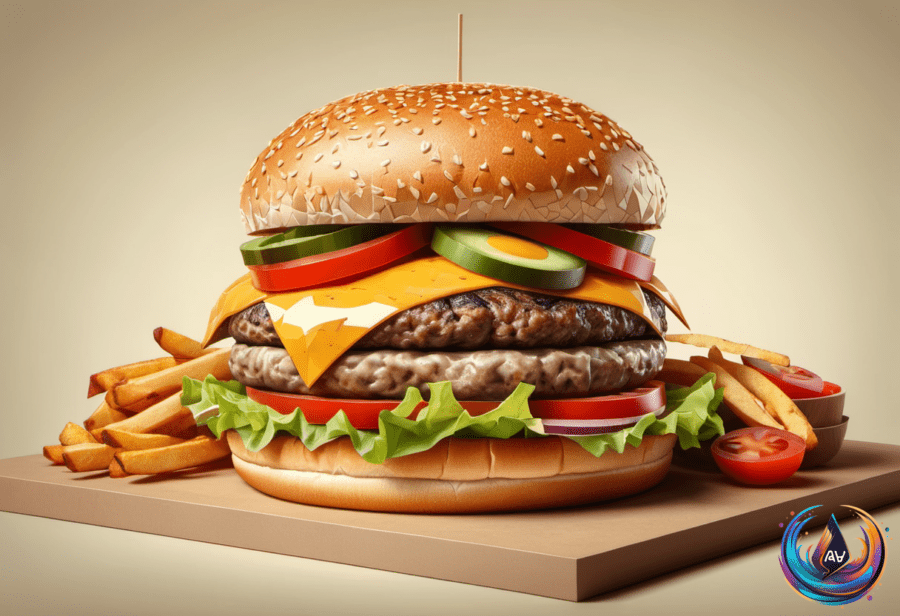
A restaurant menu is supposed to make you hungry. But more diners are seeing food images that look strange, misleading, or downright unappetizing, thanks to AI-generated pictures appearing on menus and marketing materials.
The problem is not only that the images can look fake. They can also suggest details a restaurant never promised in words, including the size of a meal, the amount of food, its ingredients, its quality, or how it will look when served. For many people, that gap between the picture and the plate feels like a broken promise.
When convenience turns into a bad first impression
A 2026 report from the National Restaurant Association found that 26% of restaurant operators use AI for tasks such as marketing, inventory management, employee scheduling, menu optimization, and taking orders. About 85 percent of restaurateurs feel comfortable using AI tools and plan to use them more in the future.
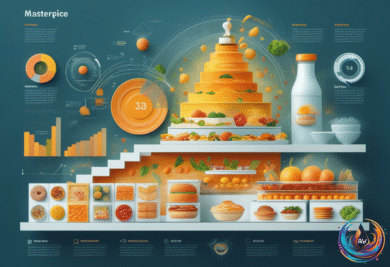
That broad acceptance does not mean diners welcome every use of the technology. AI-generated food images often contain textures and colors that look off, unnatural, or surreal. Some images can even trigger trypophobia, the fear of patterns of holes, turning a burger, dessert, or other familiar food into something that makes people want to look away.
Jill Sennett, a nurse in Denver, described eating as “such an essential human experience”. She also said, “I think it’s a bad cultural thing that restaurants are converting to these horrific, uncanny food images that are unappetizing.”
The backlash has reached restaurant storefronts and online communities. Vandals graffitied the storefront of Grind & Unwind in San Francisco after the cafe displayed AI-generated menu images. Lyndsey Lozano, the cafe owner, and her husband removed the AI signage and spent an estimated $700 painting over the graffiti.
“The response was ‘not what we were expecting’,” Lozano said. She added, “I want people to come to our restaurant, but, like, why is this such a big deal that it influences people on such an intense level”.
Restaurants are choosing real, rough, and human
The Denver restaurant Jamaican Jerk and Barbecue used ChatGPT for menu images instead of paying a graphic designer. A Denver restaurant manager explained the decision this way: “We decided we would design something that was eye-catching,”
Other restaurants are moving in the opposite direction. Some post hand-drawn images of their burgers to promote authenticity, while many local restaurants display handwritten notes refusing to use AI-generated images. Those choices may look less polished, but they tell customers that the food shown in the promotion comes from a human decision rather than a generated image.
Jill Winger, co-owner of Chugwater Soda Fountain, made that position clear: “We will not be using AI flyers or photos to promote ourselves.” A handwritten sign from Chugwater Soda Fountain received 119,000 likes.
Winger also said, “It can do uncanny videos of celebrities, but it can’t depict a hamburger,” a line that captured the odd gap between AI’s ability to create eye-catching media and its trouble with ordinary food. Jill Winger’s decision drew attention after Jill Winger’s promotion was shared in an Instagram post that received over 200,000 likes.
Online criticism has followed the same pattern. A Reddit post criticizing AI-generated food images received 670 upvotes. The reaction shows that diners are not judging these pictures only as design work. They are judging what the images say about the restaurant behind them.
Food advertising has always played with reality
Restaurants have used fake food in advertising for decades. In 1965, advertisers used mashed potatoes as a stand-in for ice cream. That history matters because it shows that food marketing has never promised a perfect record of what appears on the table.
The difference with AI is the scale and flexibility of the deception. A generated image can invent a towering burger, an overflowing serving, unusual ingredients, or a texture that the real meal cannot match. Libby O’Neill put the issue plainly: “The image itself can make a claim about the product’s size, quantity, ingredients, quality, or appearance, even if the ad never says those things in words,”
Some restaurant owners prefer to enhance images of real food with AI instead of generating food entirely with AI. That approach keeps the meal itself at the center while using technology for changes to an existing image. It also gives diners a clearer connection between the promotion and the food they may order.
Lisa Bonos, a photographer, and other people involved in food promotion are part of a wider argument over where that line should sit. Tastewise, a data insights company, has examined the spread of AI in restaurant work. Michael Bortinger, director of marketing and partnerships at Tastewise, and Brendan Sweeney, CEO and cofounder of Popmenu, are among the people connected to the business side of that change.
Trust may be the ingredient restaurants cannot fake
Ali Malik, manager of Chi-Town Deli, Daniel Silva, owner of Silva Heeren, and other restaurant operators now face a simple choice: use AI images because they are convenient, or keep showing food in a way that feels honest to customers. The growing backlash suggests that convenience alone will not settle the question.
Hunter Lewis summed up the customer side of the debate: “The American dining public is smart,” he said. “They know what they want, and they know what is real.”
Sennett hopes the public keeps pushing back. “I hope it stays that way, honestly, and we can shame [restaurants] into stopping,” she said. For restaurants, the lesson is direct: a picture meant to attract a meal can lose the customer before the first bite.
Based on
- Uncanny and unappetizing: appetites spoil as AI images take over food menus — theguardian.com
- Side of slop? Bizarre AI food images jump from online to IRL menus — nbcnews.com
- Those gross AI food photos going viral? Scientists have thoughts | CNN — cnn.com
- AI food slop is showing up in restaurant ads and menus | Fortune — fortune.com
- Ugly AI Food Photos Are Only the Beginning | WIRED — wired.com