Apple’s first foldable device has reached reviewers, but the iPhone Duo still leaves one familiar feature behind: Face ID. The phone uses Touch ID built into its power button, even though newer iPhones use facial recognition for unlocking.
That may change with the next generation. Apple is working on iPhone Duo prototypes that place the Face ID sensor beneath the outer display, bringing the technology to a foldable design without adding a visible sensor area.
The iPhone Duo has already drawn strong attention before its release. Apple described preorder demand as “extraordinary,” while the preorder page indicated high demand and short supply. Preorders began at 8AM ET on October 16, 2026, and the release date was set for October 23rd, 2026.
Face ID meets a very thin foldable display
Mark Gurman stated that Apple is “actively working” on under-display Face ID. There are also iPhone Duo 2 prototypes with the technology built into the outer display, giving a clear picture of where Apple may take the design next.
Adding sensors beneath a foldable screen is not a simple space-saving exercise. The iPhone Duo’s display is very thin, which makes additional components challenging to include. Apple has already placed its first under-display camera in the first-generation iPhone Duo, so the company is working with a design that already hides camera hardware beneath the screen.
The current phone uses an under-display FaceTime camera on the inner screen, but it does not have Face ID. Its Touch ID system sits on the power button instead. One reviewer described the system this way: “The Touch ID solution here works accurately, but can take a bit longer to unlock the phone than you might expect.”
That approach lets Apple avoid adding Face ID hardware to the visible surface, but it also creates a difference between the iPhone Duo and newer iPhones. The next-generation prototypes suggest Apple wants the foldable line to close that gap.
What the iPhone Duo offers today
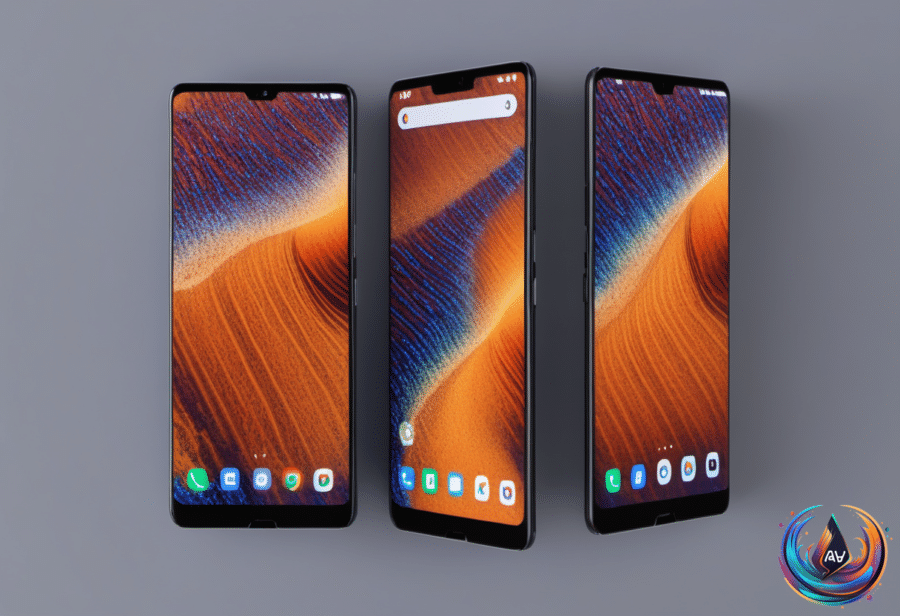
The iPhone Duo has a 5.4-inch outer display and a 7.6-inch inner display. It is designed to be used in different orientations, giving the foldable format more than one way to handle its two screens.
The inner display has a “nano-texture” finish and barely any visible crease. That screen also includes the under-display FaceTime camera, while the phone’s camera system has two cameras: a main lens and a wide-angle lens.
The combination gives Apple a foldable phone with a thin display, hidden camera hardware, and a screen designed around multiple orientations. Face ID remains the missing piece in the first model, but the prototypes show that Apple is testing a way to add it beneath the outer screen.
A premium debut with strong preorder interest
Apple starts the iPhone Duo at $1,999 for the 256GB model. The device also carries a $2,000 price tag in descriptions of its starting price, putting it firmly at the high end of Apple’s phone lineup.
That price has not stopped interest in Apple’s first foldable device. The preorder page showed high demand and short supply, and Apple called preorder demand “extraordinary.” Sam Rutherford also called the iPhone Duo “Apple’s most exciting device in a decade.”
The iPhone Duo’s arrival gives Apple a foldable phone with two screen sizes, an under-display camera, Touch ID, and a thin display that barely shows a crease. The next step may be Face ID beneath the outer screen, and iPhone Duo 2 prototypes show that Apple is already building toward that goal.
For now, the first iPhone Duo remains the model that introduces Apple’s foldable design. Reviewers have had it in their hands for a little while, the release date is October 23rd, 2026, and Face ID is still a feature reserved for future prototypes rather than the phone on sale today.
Based on