Humanizing AI has become a service category. Gig postings and service offerings on casual work outlets such as Upwork and Fiverr now feature the word “humanize,” reflecting demand for people and automated tools that can rewrite AI-polluted output until it seems human.
That demand turns a vague editorial preference into a production problem. Creators and companies are seeking both human-based and automated methods for “industrializing” humanization, because generating text is no longer the only task; making it pass as human has become part of the workflow.
Google’s guidelines focus on the quality of the text rather than the means used to create it. That leaves room for AI-generated material, human editing, or a mixture of both, provided the finished text meets the expected standard. The machine can enter the process without receiving a ceremonial exemption from scrutiny.
Rewriting Does Not Erase the Machine
A paper by Jochen Madler at the marketing automation company Sitefire, titled SlopShape: Identifying AI-Generated Commercial Web Content, challenges the idea that human editing can reliably remove an AI fingerprint. Its central claim is uncomfortable for anyone selling a polishing service: a post that is completely rewritten, even by humans, can retain a distinct architectural signature.
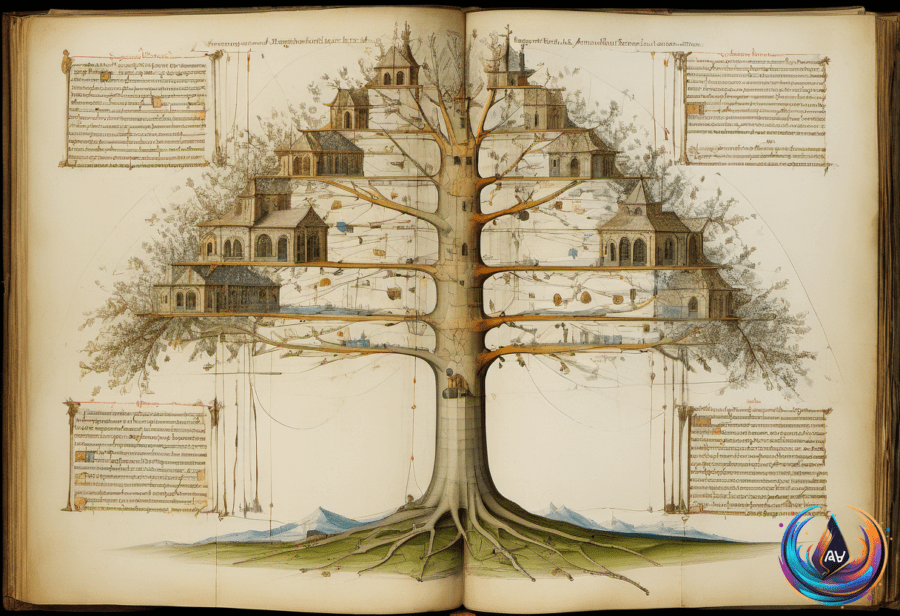
That signature sits at a level much higher than individual word choices. It forms a characteristic “shape” across the text, and rephrasing or surface-level amendment cannot eradicate it. In other words, replacing vocabulary may change the wallpaper while leaving the building intact.
Madler’s paper describes a difference between human writing and the output of all five AI models examined. Human writing tends to use rarer combinations of structures, while all five models favor more conventional combinations. The distinction therefore does not depend only on familiar phrases, repeated words, or clumsy sentences that an editor can remove with a quick pass.
This matters because humanization services often treat AI detection as a surface problem. If the underlying structure remains conventional, a rewritten piece may sound less mechanical yet still preserve the pattern associated with machine-generated work. Human intervention can improve the prose without changing the architecture that produced its recognizable shape.
The Workaround Starts Before Generation
There is a path around the signature problem, but it requires a different division of labor. A writer can plan the course of the writing personally and use no AI, or use AI only for separate components rather than asking it to generate the complete structure.
That approach moves human judgment to the start of the process instead of reserving it for cleanup. The person determines the shape, sequence, and direction; AI may assist with individual components without controlling the architecture of the finished piece. It is less convenient than pressing a button and hiring someone to sand down the result, but convenience has never been a reliable substitute for authorship.
The emerging model does not reject automation. It separates automation from decisions that shape the whole work, allowing companies and creators to combine human planning with machine assistance. That distinction may define the next phase of commercial content production: not whether AI appears, but where it enters the process.
AI is expected to suggest suitable topics aligned with a company or entity’s overarching goals and produce content accordingly. That promise fits neatly with industrialized production, yet it also makes structural control more important. If the system chooses both the subject and the form, humanization after generation may fix wording while leaving the deeper pattern untouched.
The result is a market caught between two ideas of quality. One treats quality as the final text, matching Google’s guidelines; the other asks whether the text carries an architectural signature associated with AI generation. Humanizing AI output may satisfy the first test while failing the second.
Published September 17, 2026, the debate is already moving beyond whether machines can write readable prose. The harder question is whether human involvement happens early enough to shape the work—or arrives later with a bucket of metaphorical paint.
Based on