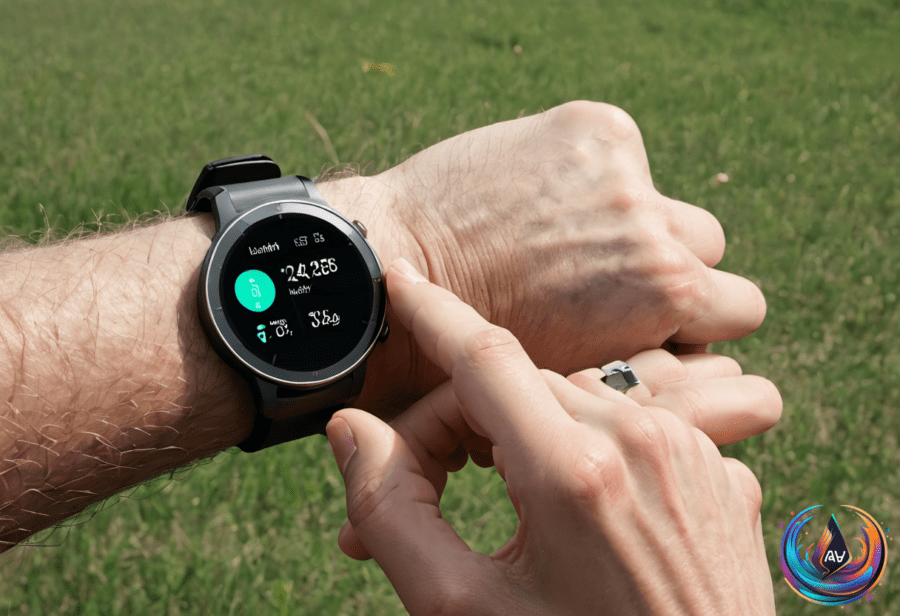
The Apple Watch is great at tracking many things. But when it comes to calories burned, it’s guessing. Your watch doesn’t measure calories directly. Instead, it makes an educated guess based on other data.
Counting calories accurately needs more information than a watch can gather. Your metabolism, fitness level, height, weight, and other factors all affect how many calories you burn. A smartwatch can’t measure metabolism directly. So it uses proxy data like heart rate, movement, and GPS to estimate energy use.
The Apple Watch has gotten better since it launched in 2015. But it still isn’t very good at tracking daily calorie burn. Other popular fitness trackers, like Fitbit Surge, Microsoft Band, and Samsung Gear S2, have the same problem.
What Studies Say About Calorie Tracking
In 2024, Stanford University School of Medicine tested seven wearables. They wanted to see how well these devices counted calories burned. Sixty volunteers took part in the study. Researchers compared the devices’ calorie estimates to data from a medical-grade electrocardiograph.
The results were clear. Devices tracked heart rate well, but their calorie counts were often far off. The most accurate tracker was wrong by 27 percent on average. The worst was off by 93 percent. No single device stood out as especially reliable.
Dr. Euan Ashley, the senior author of the study, said, “The energy expenditure measures were way off the mark.” This means calorie estimates from these devices can’t be trusted fully.
Why Is Calorie Tracking So Hard?
Wearables use sensors like accelerometers and gyroscopes to detect movement. They also pool GPS data during outdoor activities. Heart rate sensors add another layer of information. Then, machine learning algorithms try to combine all this data to guess calories burned.
But many variables affect calorie burn. Anna Shcherbina, an assistant professor on the Stanford team, explained the challenge. “It’s very hard to train an algorithm that would be accurate across a wide variety of people,” she said. Factors like fitness level, height, and weight make energy use different for everyone.
Providing your height and weight to your watch helps, but it doesn’t solve the problem. Other things like skin tone and sweat levels also affect sensor readings. These small errors add up and throw off calorie estimates.
A study published in Nature confirmed these issues. It found that Apple Watch and similar devices can’t reliably measure calorie burn. The errors come from the sensors and the algorithms trying to piece everything together.
In the end, your watch’s calorie tracker is a tool that makes a smart guess. It’s useful for trends and rough estimates, but it’s not a precise measurement. If you want exact calorie data, you need medical-grade equipment and lab tests, not just a wrist device.
So next time you check your Apple Watch’s calorie count, remember: it’s an estimate, not a fact.
Based on
- Your Apple Watch calorie tracker is an educated guess, not a fact — engadget.com
- I lost 100 pounds in 7 months: How a smart scale and an Apple Watch helped track my progress | ZDNET — zdnet.com
- Fitness Tracker Reviews | The Verge — theverge.com
- Smartwatch Reviews | The Verge — theverge.com
- First look with the Galaxy Watch 9: I took it on a run in London – here’s what I learned | ZDNET — zdnet.com