Android Auto Compatibility Explained: Phones, Cars, Wireless Limits, and YouTube

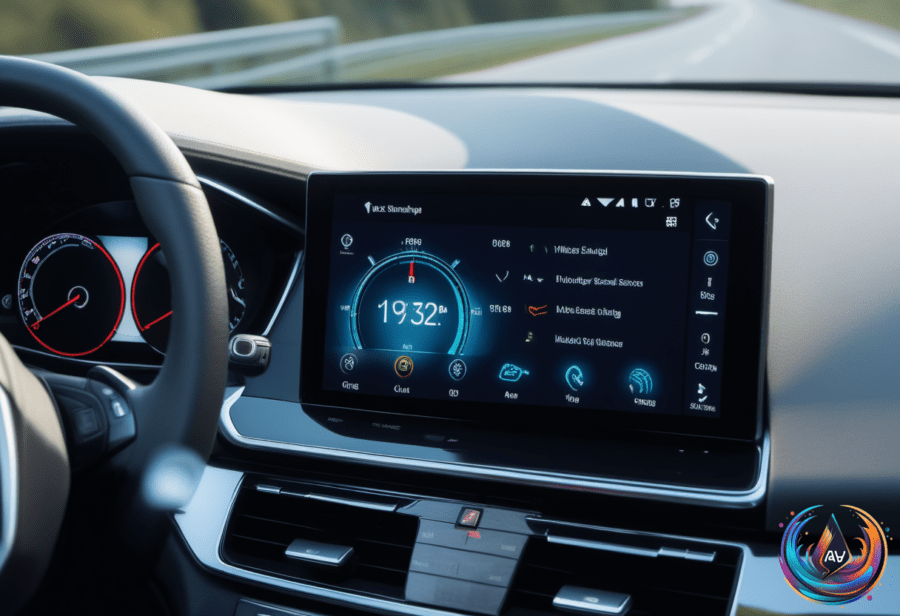
Android Auto works with almost all Android smartphones sold since 2018, but phone age is not the only detail that matters. The phone must run Android 9 or later, and it needs a stock or manufacturer-released version of Android. That covers a large share of Android phones, but it does not mean every device will connect without trouble.
Android Auto lets you use essential phone apps through the car’s dashboard. In simple terms, it acts as a specialized interface from the phone on the car’s screen, rather than replacing the software built into the vehicle. Over 500 vehicles now support Android Auto, giving drivers a broad range of compatible cars to choose from.
Android versions and wireless requirements
Android 10 was the first Android version to include Android Auto pre-installed. Phones running Android 9 or later can support the service, but older phones do not have a guaranteed path to compatibility. The same warning applies to phones without Google services and devices using third-party Android installations.
Wireless Android Auto has stricter requirements. The phone must run Android 11 or later, and the connection needs Wi-Fi support using the 5 GHz band. A phone can meet the basic Android Auto requirement and still miss the requirements for wireless use if it runs an older version or lacks the needed Wi-Fi support.
For a wired connection, using a cable shorter than six feet is recommended. That does not change the phone’s Android version requirements, but it can help keep the setup practical inside a car, where a long cable can get in the way.
Alternative Android-based operating systems need their own checks. GrapheneOS does not include Android Auto by default. CalyxOS supports Android Auto with release 6.4.2 and later, but users must enable it first. These examples show why the Android label alone does not guarantee access to the same car features.
Android Auto is not Android Automotive OS
The names sound close, but Android Auto and Android Automotive OS serve different roles. Android Auto is a phone-based system that mirrors a specialized interface onto the car’s screen. Android Automotive OS, or AAOS, operates directly on the car’s hardware and does not require a phone.
That difference matters when comparing cars. Android Auto is not a substitute for the software already installed in a vehicle, while AAOS is the software platform installed in the vehicle itself. Google built-in relies on a separately licensed collection of Google Automotive Services, so the presence of AAOS does not describe every feature or service in the same way.
In 2020, the Polestar 2 became the first production car to feature Android Automotive OS. Polestar has cars with AAOS, while Rivian uses AAOS without Android Auto or CarPlay. A vehicle can therefore use Google’s car software without offering the phone-projection system many Android users know.
The Open Automotive Alliance supports Android in cars, while Google develops both Android Auto and Android Automotive OS. Those connected efforts do not erase the difference between a system running from a phone and one operating from the vehicle’s own hardware.
YouTube remains the biggest limitation
YouTube has a limited role on Android Auto. For now, most users can play, pause, or skip YouTube videos through the car’s infotainment system, with access tied to a YouTube Premium or Premium Lite subscription. The standard experience is audio streaming rather than full video playback.
That makes YouTube a curious middle ground on Android Auto. The service is present, but most Android Auto users must settle for a scaled-back version that streams audio through the car. It does not offer the same video experience available on a phone.
Some manufacturers, including GM, have unlocked full YouTube compatibility for their vehicles. Those vehicles can also support streaming services such as Disney+ while stationary. The difference comes from the manufacturer’s vehicle setup, not from Android Auto compatibility alone.
An update scheduled to roll out in 2026 will add native YouTube support for Android Auto, allowing HD videos to be watched while parked. Google discussed Android developments at the May 2026 Android Show: I/O Edition event, and the planned change gives Android Auto users a clearer path to full YouTube playback without allowing video while the vehicle is moving.
What to check before connecting
Start with the phone’s Android version, then check whether it uses a stock or manufacturer-released Android build. For wireless use, confirm Android 11 or later and support for Wi-Fi connections on the 5 GHz band. If the phone runs GrapheneOS, Android Auto will not be included by default; if it runs CalyxOS, release 6.4.2 or later and manual activation are required.
Next, check the vehicle. More than 500 vehicles support Android Auto, but AAOS support does not automatically mean Android Auto support. Rivian is one example of a manufacturer using AAOS without Android Auto or CarPlay, while the Polestar 2 shows how AAOS can operate as the vehicle’s own software platform.
The short answer is no: not every Android phone can use Android Auto. But an Android smartphone sold since 2018 with Android 9 or later will usually meet the main requirement, and wireless use becomes possible with Android 11 or later, 5 GHz Wi-Fi support, and a compatible vehicle.
Based on