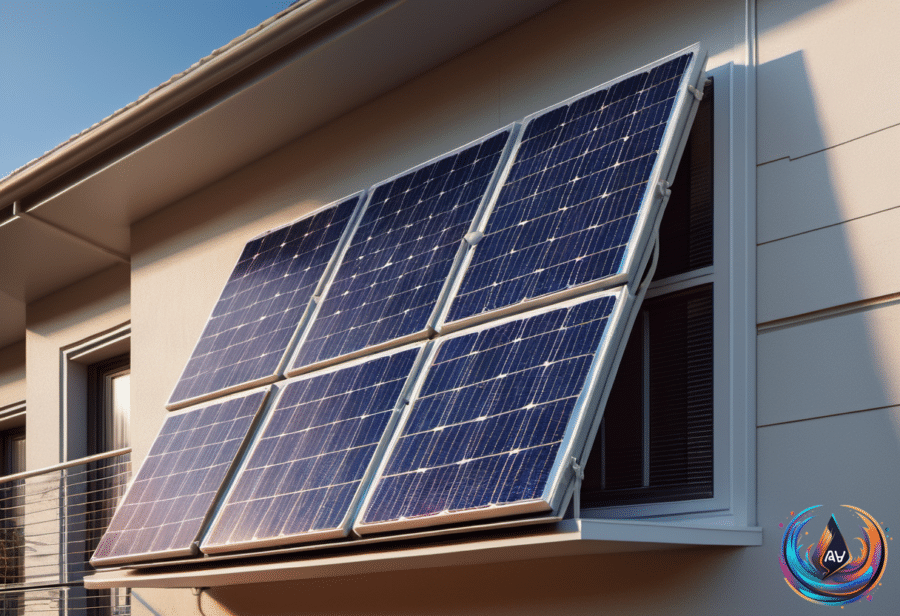
California residents are about to gain a new way to generate solar energy at home. The state has passed a law allowing small plug-in solar installations without utility pre-approval, opening the door for renters and homeowners who want a simpler path to solar power.
The change centers on balcony solar panels, with installations capped at 1,200 watts. The Plug and Play Solar Act takes effect on January 1, 2027, giving residents a clear legal route to install qualifying systems without first seeking approval from their utility.
A New Solar Option for Renters and Homeowners
Governor Gavin Newsom signed the Plug and Play Solar Act into law on September 30, 2026, after the bill won overwhelming bipartisan support. State senator Scott Wiener, the bill’s author, said the change could put more control over household energy costs into the hands of residents.
“These small, easy-to-use solar panels will give everyone, including renters, the relief they desperately need on our outrageous energy bills,” Wiener said.
The law removes a major step for people who want to use small solar systems but do not own a home or want to manage a larger installation. Residents can install up to 1,200W of solar panels without utility pre-approval, and DIY kits start at around $300.
That combination could make plug-in solar easier to consider for apartment residents and homeowners alike. Instead of treating solar as a project that requires a large system and utility approval, the new law creates space for a smaller installation that connects through a plug and receptacle system.
Safety Rules Set the Boundaries
California’s law does not allow every solar product to connect to a home. Installations must meet UL or equivalent certification requirements, with UL3700 serving as the certification for plug-in solar.
UL3700 sets requirements for the components used in these systems. Those requirements include protection against accidental touching of hazardous electrical parts, safeguards against overloads, and prevention of current flowing in the wrong direction.
The certification also requires a “uniquely configured, non-NEMA plug and receptacle system.” That requirement separates certified plug-in solar equipment from ordinary products that use common household plugs.
Only a handful of products currently hold UL3700 certification. Those products come from Hoymiles, APsystems, and Mango, while the nonprofit Environmental Working Group expects two more companies to receive approval by the end of the year.
The certification requirement gives residents a specific safety standard to look for as the market develops. It also places a firm ceiling on the size of systems covered by the law: installations cannot exceed 1,200W.
California Becomes the Tenth State
California has joined nine other US states in approving plug-in solar installations, becoming the tenth state to legalize them. The state was reported as the tenth to legalize plug-in solar on October 1, 2026, one day after Newsom signed the act.
The move also drew opposition from large state utilities, including PG&E and SDG&E. The utilities cited safety concerns and the possibility of price increases as reasons to oppose the bill.
Those concerns now sit alongside the safety rules written into the law. UL3700 certification addresses accidental contact, overloads, incorrect current flow, and the design of the plug and receptacle system, while the 1,200W limit defines the scale of installation California will allow.
Wiener described the law as a way to give residents more control over energy costs. “This law and the small solar panels it unlocks put people, including renters, in charge of their energy bills,” he said.
The next major date is January 1, 2027, when the law goes into force. By then, California residents will have a legal path to install qualifying plug-in solar systems without utility pre-approval, while manufacturers will have a clear certification target through UL3700.
With DIY kits starting at around $300 and more companies expected to seek approval, California’s balcony solar market is positioned for its next step. The state has set the limit, defined the safety requirements, and opened a new route for residents to generate solar energy at home.
Based on
- Balcony solar installations will soon be legal in America’s most populous state — engadget.com
- Want solar but don’t own a roof? California just legalized plug-in panels, no permission required – Los Angeles Times — latimes.com
- California is the tenth state to legalize plug-in solar. | The Verge — theverge.com