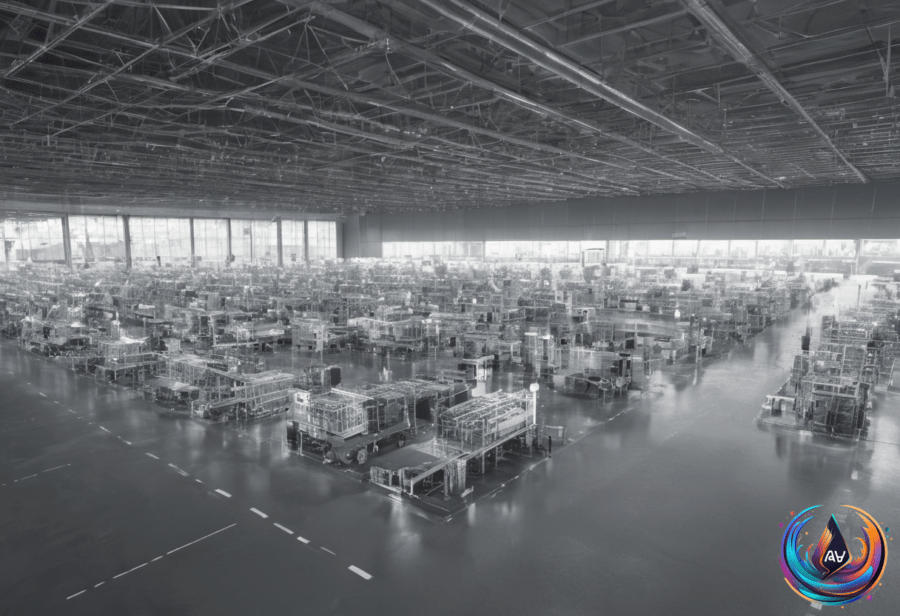
Chinese electric vehicle makers are not building factories abroad the way many expected. Instead, they focus on making cars and batteries at home and shipping them out. Their foreign direct investment in EV factories remains a fraction of their exports.
Between 2020 and 2024, Chinese companies shipped nearly seven million vehicles annually, with almost half electric. Their battery capacity exploded past 1,200 GWh, outstripping global demand. In fact, China alone produced an estimated 900 GWh of batteries in 2025—more than the world needed.
Despite announcing over $100 billion in new factory investments from 2020 to 2023, many overseas projects stalled or stopped. BYD’s plants in Hungary and Brazil are delayed. Its Turkey factory is suspended. Even with these setbacks, BYD sold over 160,000 EVs outside China in May 2026 and registered 26,000 vehicles in Europe that month—a 158% jump from May 2025.
Chinese brands dominate emerging markets like Brazil and Thailand, controlling 96% and 88% of their EV markets respectively. They also supply nearby regions—BYD and Geely serve Mexico and Canada. Yet, interest in the U.S. market is fading. About 60% of announced Chinese EV investments there are canceled. Tariffs don’t help—45% in Europe and over 100% in the U.S. slow growth.
Western automakers respond by partnering with Chinese firms or investing in their technology. Stellantis, Volkswagen, and others seek Chinese expertise. Chinese tech giants Xiaomi, Huawei, and Alibaba now develop and build vehicles, pushing advanced features like driver assistance, digital ecosystems, and entertainment platforms.
Performance models prove China’s tech edge. The Denza Z Coupe packs over 1,000 horsepower and hits 217 mph. The Dolphin G DM-i boasts a 646-mile range. The Yangwang U9 Xtreme set a Nürburgring lap under seven minutes and reached 308 mph.
Industry voices note a shift. Chinese EV makers “aren’t racing the West anymore. They’re racing each other,” says analyst Bill Russo. Ford’s CEO Jim Farley admits the battle is survival. Japan’s Honda CEO Toshihiro Mibe bluntly states: “No chance against this.”
Chinese companies keep expanding in Europe and emerging markets despite tariffs. They back advanced tech and digital ecosystems, making EV ownership more than just driving. As one insider put it, “Features such as driver assistance systems, digital ecosystems, and entertainment platforms are becoming central to the ownership experience.”
Chinese EV firms have poured in nearly $400 billion of private capital since the pandemic. Yet, only $85 billion of clean-tech foreign investment has materialized over the last decade. The real growth happens at home, where battery production capacity exceeds all global needs.
China’s EV strategy now hinges on dominating exports and regional markets, not chasing U.S. factories. The overseas factory boom fizzled, but the global footprint grows—just not how many expected.
Based on
- What happened to China’s overseas EV factory boom? — restofworld.org
- Global Automakers Are Struggling to Keep Up With China’s EV Industry – EVinfo.net — evinfo.net
- China Already Makes More EV Batteries Than the World Needs as Oversupply Crisis Deepens – China Industry Intel — chinaindustryintel.com
- BYD Expands Overseas With Luxury EVs, Plug-In Pickup, and Record Sales Growth – The Electric Viking — theelectricviking.com
- China Slows Down: Who Will Lead the Second Wave of the Electric Vehicle Boom – Kursiv Media Uzbekistan — uz.kursiv.media