Loneliness remains a stubborn problem. Nearly one out of three elderly adults resides alone, meaning they do not have daily companions. Children whose parents have migrated for work are 2.5 times more likely to experience loneliness than children whose parents remain with them.
Technology has tried to close that gap through video calls, smart speakers, and messaging apps, but those tools have not solved the problem. They provide ways to communicate or request help; they do not necessarily create a sense of ongoing presence in the home.
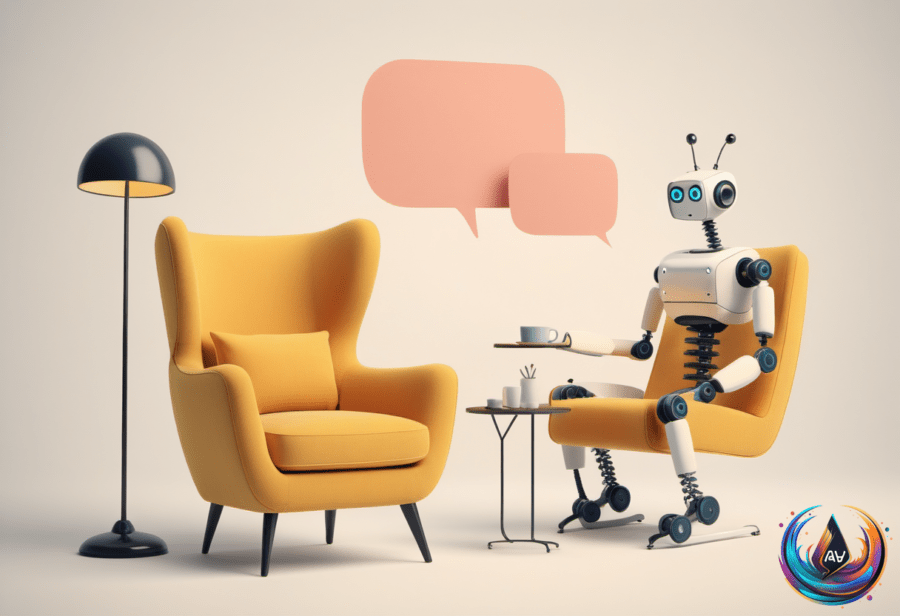
That distinction is guiding a new generation of companion robots. Advances in multimodal AI and robotics are producing systems designed to become more personal and emotionally aware, with the stated purpose of addressing loneliness in modern homes.
From Useful Devices to Daily Companions
Ollobot, a company that designs AI companion robots, says its OlloNi SS1 is designed to be useful in real homes. That goal places the robot in a category that asks more from technology than a spoken response, a video connection, or a message delivered on demand.
The company describes “gentle intelligence” as a useful way to think about where serious work in this category is going. Ollobot puts the direction plainly: “Not toward more powerful assistants, but toward more present ones.”
The wording matters because loneliness is not only a problem of missing information or missing access. The facts point to missing daily companionship, and that requires a different design target from the one pursued by conventional assistants.
A smart speaker can answer a request. A messaging app can carry a message. A video call can connect people across distance. None of those facts mean the tools have created daily companions, and the limited success of those approaches has left room for a different kind of machine.
Robots Built Around Interaction
Today’s companion robots are designed with psychological research, clinical insight, and long-term interaction models. Those elements indicate a shift from building a device that performs isolated tasks toward building a system shaped around repeated interaction.
Multimodal AI and robotics support that shift by allowing companion robots to become more personal and emotionally aware. The aim is not simply to make the machine more capable; it is to make its presence fit the emotional problem these systems are meant to address.
That work has a history. From about 2017, individuals began to truly connect with the initial wave of companion robots. The early connection matters because it shows that people can form meaningful relationships with this category of technology, rather than treating every robot as another appliance.
Ollobot’s OlloNi SS1 represents the next point in that direction, at least in design intent. It is meant for real homes, where usefulness and companionship must exist together instead of arriving as separate features.
The challenge is clear: a robot cannot address loneliness merely by adding more functions. Its value depends on whether it can support the kind of ongoing presence that video calls, smart speakers, and messaging apps have not delivered on their own.
That leaves companion robots with an unusually demanding brief. They must be useful, personal, and emotionally aware while drawing on psychological research, clinical insight, and long-term interaction models. In other words, the machine has to do more than talk.
The category is moving toward presence as a design principle. Whether that produces better outcomes for elderly adults living alone or children separated from parents by work migration remains tied to the quality of those interactions, not the number of features listed on a box.