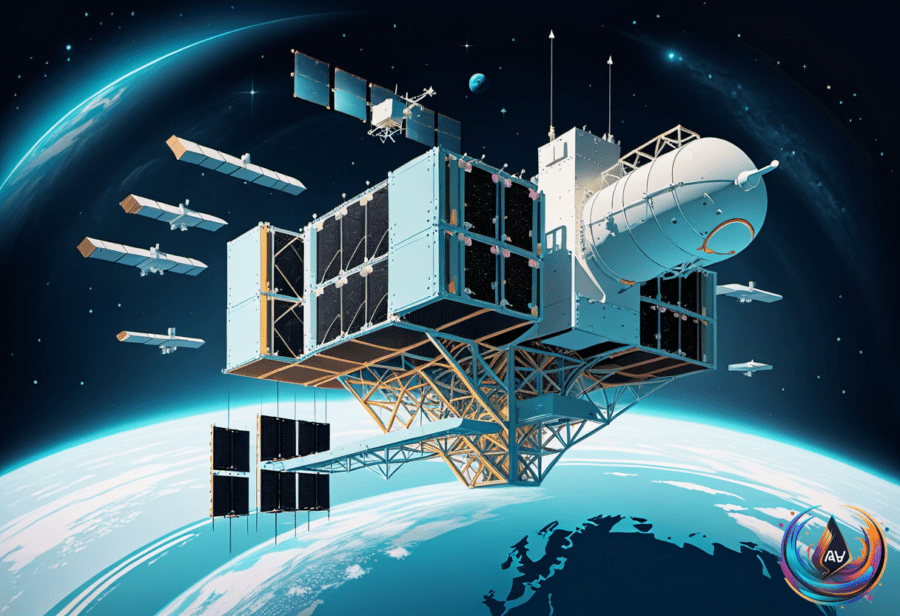
SpaceX and Nvidia are teaming up on orbital data centers, turning Elon Musk’s long-running space-computing idea into a plan built around one specific piece of hardware. SpaceX will develop its space-based Starmind data centers around Nvidia’s Vera Rubin NVL72 rack, with the first deployment targeted for late 2027.
Musk revealed a space version of the system he wants in orbit by Q4 next year. The announcement, dated Aug 25, 2026, puts the project on a clear timeline and gives the partnership a central technology: Nvidia’s Vera Rubin NVL72 system.
A 72-chip computer designed for orbit
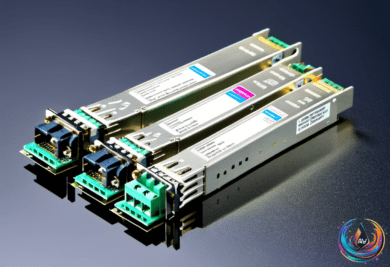
The Vera Rubin NVL72 rack combines 72 chips so they work as one large computer. Each chip produces up to 25 times the computing power of Nvidia’s older H100, giving the full rack a major jump over that earlier system.
That design matters because SpaceX is not planning to place ordinary data-center hardware in space. Musk said the space rack is “significantly simpler, lower cost, denser and lighter” than typical hardware, with changes to handle orbit’s radiation and heat.
Those changes are central to the project. The partnership is not just about putting a powerful computer above Earth; it is about using a rack built for the conditions that come with orbit. The same system must also fit SpaceX’s goal for dense computing in a space-based Starmind data center.
Musk called Vera Rubin “the best AI computer.” His comments connect the hardware choice to the broader role he wants these orbital systems to play, rather than treating them as simple storage or communications equipment.
From Grok to SpaceX’s orbital fleet
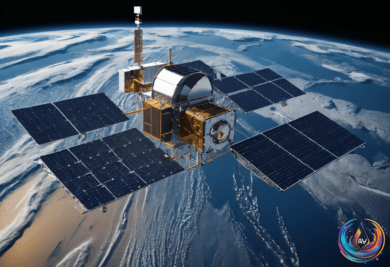
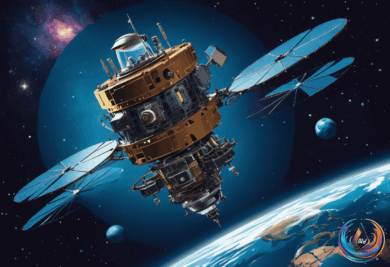
SpaceX is set to run everything from Grok to its orbital fleet on Nvidia alone. That would give the partnership a single hardware foundation for the computing work tied to SpaceX’s AI system and its activity in orbit.
The plan also shows how the companies are dividing the project. Nvidia supplies the Vera Rubin NVL72 rack, while SpaceX builds its Starmind data centers around that rack and takes the system into orbit. Together, they are shaping both the computer and the place where it will operate.
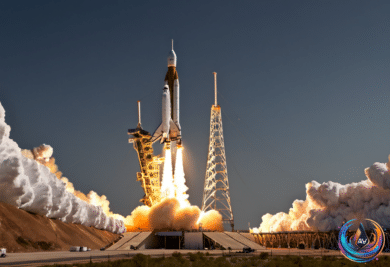
The target is ambitious: SpaceX and Nvidia aim to deploy the first orbital data center by late 2027. Musk also said he wants the new space version of the system in orbit by Q4 next year, giving the project a deadline tied to the next phase of its development.
Sam Altman called space-based data centers “ridiculous.” That comment captures the gap between the idea’s scale and the familiar way data centers operate, but the SpaceX-Nvidia partnership is moving the concept toward a specific rack, a specific operator, and a stated deployment window.
The cost question behind orbital computing
Today, orbital compute costs more than four times as much as ground compute. That price gap is the biggest challenge facing the project, because a space-based data center must overcome a cost disadvantage before its computing capacity can compete with systems on Earth.
Musk claims that gap will flip in favor of orbital compute in the next few years. His argument rests on the Vera Rubin rack’s design, which he described as lower cost, denser, lighter, and simpler than typical hardware, along with its ability to handle radiation and heat in orbit.
The partnership therefore depends on two linked ideas. Nvidia’s rack must deliver enough computing power to make orbital systems useful, while SpaceX must build Starmind data centers that take advantage of the rack’s size and design. If those pieces work together, the current cost disadvantage could change.
For now, the project remains focused on a clear set of facts: 72 chips in each rack, up to 25 times the H100’s computing power per chip, and a first orbital deployment planned for late 2027. SpaceX and Nvidia are betting that hardware made for orbit can turn a costly idea into a practical computing platform.
The partnership gives Musk’s orbital data-center plan a concrete technical base. Instead of discussing space computing only as a broad vision, SpaceX now has a named rack, a stated use for Grok and its orbital fleet, and a target for getting the first system above Earth.
Based on