Silicon Valley’s plan to transform the world with artificial intelligence has collided with a force its power players did not expect to face: democracy. The project now sits in the hot seat as public opinion turns against AI and the datacenters built to power it.
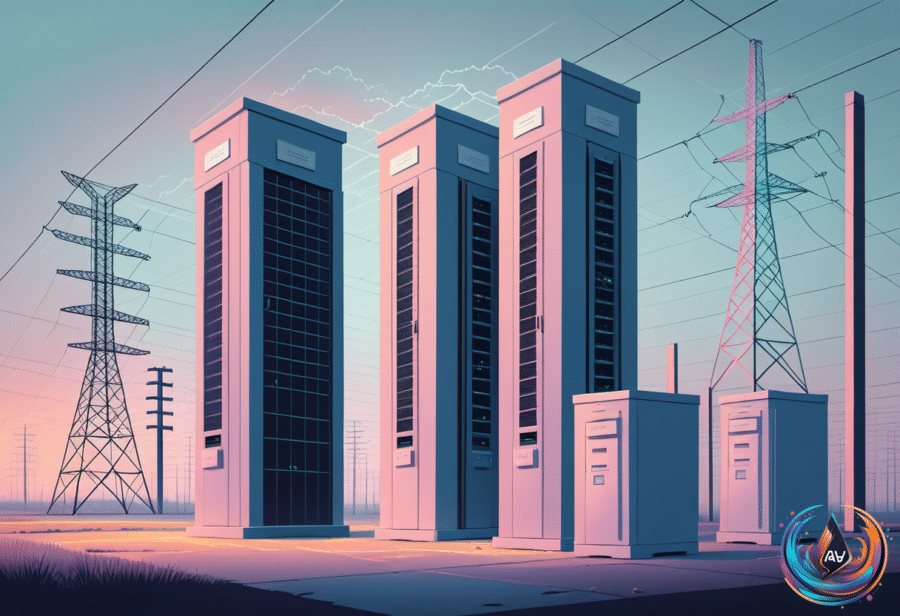
On 14 September 2026, demonstrators rallied outside city hall in Philadelphia, Pennsylvania, calling for a citywide datacenter moratorium. That protest captured a larger national backlash, where concern about AI development, energy-hungry infrastructure, and democratic oversight is gathering force.
The Public Is Turning Against the AI Project
The numbers show a public mood that Silicon Valley can no longer dismiss. Seventy-three percent of Americans think the costs of datacenters outweigh the benefits, while 70% think AI is bad for society. The doubts reach across political lines: Democrats and Republicans alike are vastly more concerned than excited about AI.
The shift has grown since 2021, when only 37% of Americans declared themselves more concerned than excited about AI technology. That share has climbed to 52%, and 55% of young adults are now soured on AI technology. Americans are also more mistrustful of AI technology than people in other countries.
What changed? The grand promises surrounding AI now compete with fears about work, safety, and control. Repeated statements that artificial intelligence will end all jobs as we know them have made the technology feel less like a distant research project and more like a force aimed at everyday life.
Even the most sweeping promises struggle to restore trust. Assuming society avoids an AI apocalypse, claims that AI will cure cancer and provide a universal basic income sound hollow when they come from billionaires with questionable morals. There is also a widely shared belief that AI carries at least a 10% chance of causing human extinction.
Democracy Becomes the Battleground
The political backlash rests on a deeper discomfort with US democracy itself. People do not feel they are making the choices in their lives regarding AI development, and the datacenter fight has become a visible symbol of that power gap.
Henry Farrell, a political scientist at Johns Hopkins University, said “the push against datacenters speaks to the frustration of people who don’t feel they are making the choices in their lives.” His point reaches beyond buildings, servers, and electricity: the conflict asks who gets to decide what kind of future AI will create.
Silicon Valley’s answer has often sounded like a rejection of public control. “Democracy is too slow, and it holds science back. To optimize for science, we need a beneficent technocrat in charge,” said Silicon Valley technologists.
That belief reflects the confidence of a cabal that never doubted the greatness of its ambitions. A Silicon Valley mogul even organized a dinner to discuss a tech-powered state, an idea that places technological expertise above the choices made through democratic oversight.
Rob Reich, a Stanford ethicist, and Rumman Chowdhury, an AI ethicist, are part of a debate shaped by this clash between technological power and public authority. The question is no longer only what AI can do. It is who can direct it, who bears the cost, and whether people have a real say before systems spread through society.
The Responsibility Silicon Valley Cannot Escape
The dominant Silicon Valley narrative says AI systems are becoming so powerful that nobody can stop them. That claim turns inevitability into a shield, presenting the companies building these systems as passengers on a force beyond human control.
But the same narrative can serve as a stratagem to avoid responsibility for harm caused by their products. If nobody can stop AI, then no one appears accountable for the decisions that expand its reach, build its datacenters, and shape its risks. Public resistance challenges that escape route by insisting that choices still exist.
The backlash also exposes a failure of persuasion. Grand visions of transformation do not answer the fears attached to lost jobs, social damage, extinction, and unchecked power. A technology sold as unstoppable asks people to trust the very billionaires and technologists who claim they alone can guide it.
That tension now drives the fight over datacenters and AI policy. Public opinion has turned sour, young adults are soured on the technology, and both major political sides are more concerned than excited. The project that Silicon Valley treated as inevitable has entered a democratic contest instead.
The next stage will not be decided by ambition alone. It will depend on whether the people affected by AI development can make the choices shaping their lives—and whether Silicon Valley accepts that democratic oversight is not an obstacle to the future, but part of deciding what that future becomes.