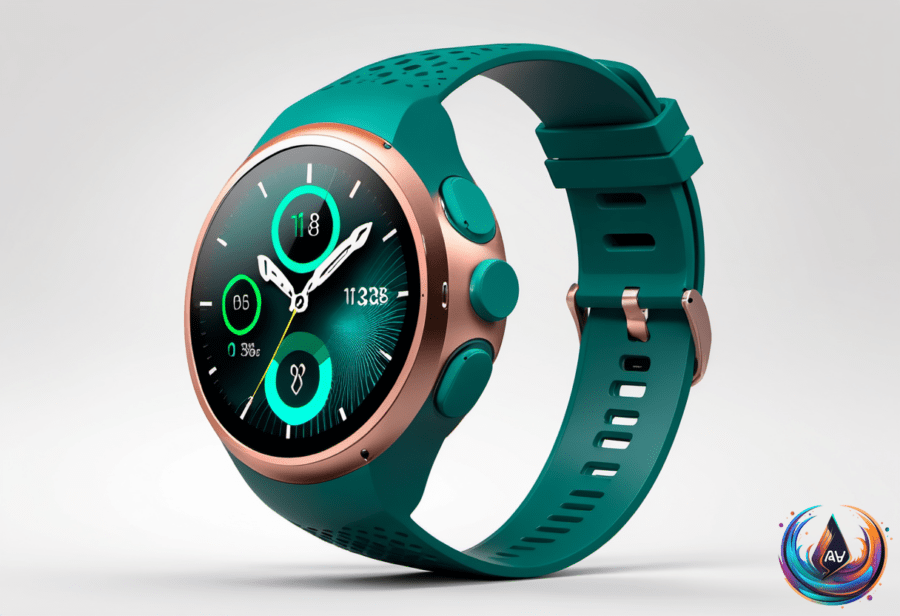
Imagine an AI that knows you’re struggling before you say a word. That’s not sci-fi anymore. Researchers at the University of Ottawa created UbiMyTherapist, an AI assistant that reads signals from your smartwatch and earbuds to detect emotional distress early. It’s like having a mental health ally always watching your back.
How UbiMyTherapist Reads Your Emotional Signals
This AI doesn’t just listen to your words. It monitors your heart rate variability, analyzes your speech tone, and even examines your written text. All this data feeds into a “digital twin” — a detailed profile blending your medical and psychological history with real-time emotional cues.
With this digital twin, UbiMyTherapist can spot when something’s off. It reacts before you reach out for help. That’s a game changer for mental health support outside clinics.
Dr. Karim Alghoul, one of the lead researchers, explained, “The core question we asked ourselves was: how can we provide timely mental well-being support outside clinical settings that is safe and personalized to the user?”
Testing Empathy and Personalization
The team tested UbiMyTherapist’s reactive mode on 24 participants. Licensed therapists reviewed the AI’s responses to ensure they were therapeutically sound. The results? UbiMyTherapist scored high on empathy and personalization, outperforming standard large language model setups.
Dr. Alghoul shared, “Seeing UbiMyTherapist consistently outperform standard AI setups, especially on empathy and personalization, confirmed that integrating real-time emotional context makes a real difference.”
Importantly, the system isn’t meant to replace human therapists. Instead, it extends mental health support beyond the clinic, filling gaps when people need it most.
Wearable Tech Pushing Boundaries
Meanwhile, other breakthroughs in wearable sensors push health monitoring even further. The National University of Singapore developed a new wearable sensor that captures ECG signals with a signal-to-noise ratio of 37.36 dB. It keeps blood pressure readings accurate within 3 mmHg, even during movement — a huge leap for mobile health tracking.
This sensor uses a metahydrogel platform combined with AI to reduce noise caused by motion. It meets ISO clinical-grade standards, making it reliable for real-world use.
The sensor’s power extends beyond heart data. It can detect multiple biosignals, including:
- Heart sounds
- Respiration
- Voice
- Brain waves
- Eye movements
When it comes to fatigue detection, the sensor’s accuracy jumps from 64 percent to 92 percent using MAP-enhanced data. That’s a major boost for monitoring conditions that affect alertness and well-being.
Skin-Like AI Computing for Instant Health Insights
On another front, the University of Chicago’s Pritzker School of Molecular Engineering developed a skin-like AI computing patch. This patch analyzes health data directly on the body, delivering near-instant insights. It achieves highly accurate heart monitoring and rapid medical analysis without needing bulky devices or cloud processing.
This breakthrough means health signals can be processed right where they originate. It opens doors to faster responses and more personalized care on the spot.
What’s Next for AI and Wearables in Mental Health?
The University of Ottawa team plans to upgrade UbiMyTherapist to respond in real-time to smartwatch signals. They aim to work closely with licensed therapists to improve clinical accuracy and safety. The vision is clear: mental health support that’s always available, deeply personalized, and proactive.
Wearables and AI are joining forces to transform mental health care. These technologies catch distress early and offer support when it matters most. They don’t replace human connection — they strengthen it.
The future of mental health is smart, sensitive, and right on your wrist. Are you ready to meet your AI therapist?
Based on
- Researchers built an AI therapist that reads your smartwatch and earbuds to detect distress before you ask for help — thenextweb.com
- uOttawa researchers build mental health assistant powered by AI – Technology News – Nsane Forums — nsaneforums.com
- Real-Time Fatigue and Stress Monitoring: NUS Sensor Revolutionizes Mental Health Tracking (2026) — jivrapexlu.com
- New Emotionally Aware AI Model Enhances Mental Health Diagnosis
– Life Technology™ — lifetechnology.com
- Scientists Create AI Skin Patch That Acts Like an Instant Personal Doctor – The Biotech Times™ — biotechtimes.me